Parents looking for a quick backup dinner
When cooking would take too long, check the preparation time and steps, as well as the amount the sachet makes. A quick-cook soup won’t necessarily make as many bowls as you need.


To stock your cupboard with a quick meal for after your baby arrives, choose a sachet that makes several bowls if you eat together, or individual portions if you eat at different times. Then check the preparation time, compare salt levels on a like-for-like basis, and look at the allergens and quantity each pack makes. A soup intended for adults isn’t automatically a complete meal or suitable food for an infant.
When cooking would take too long, check the preparation time and steps, as well as the amount the sachet makes. A quick-cook soup won’t necessarily make as many bowls as you need.
If everyone wants to make soup when it suits them, an individual sachet lets you prepare one bowl without making up a whole family-sized pack.
To compare two recipes, check their nutritional information using the same quantity of reconstituted soup, and read the ingredients on the sachet you choose, particularly if you need to avoid an allergen.
First decide whether you’ll be making several bowls at once or just one. Then check the stated preparation time and the label against what you need from a backup meal.
| What matters | What to check | Who is it for? |
|---|---|---|
| Quick to prepare | Preparation time on the sachet and the steps involved, such as cooking or simply adding hot water. | When there’s no time to make dinner, I want to know whether the soup is easy to prepare and what steps it involves; around 36% of consumers would put speed first. |
| Flexible portions | The quantity each sachet makes and the number of portions stated, rather than just the pack weight. | If we eat at different times, I’d rather make one bowl without opening several portions; around 29% of consumers would prioritise a flexible format. |
| Salt and how it fits into the meal | Salt per 100 ml of reconstituted soup, then the amount in the bowl you serve. | When soup is often part of our backup meals, I want to consider what’s in it and what we eat alongside it; around 21% of consumers would put this first. |
| Ingredients and allergens | The ingredients list, highlighted allergens and any ‘may contain’ statement on the sachet you buy. | If someone in my household needs to avoid an ingredient, the recipe name alone isn’t enough to help me choose; around 14% of consumers would put suitability first. |
The amount in a bowl doesn’t, by itself, tell you what the recipe provides or what might be missing from the meal you have in mind.
Before stocking up, read the nutritional information and stated portion size. Then decide what to serve with the soup as part of your meal.
A prepared soup may already contain salt. Auchan’s product information for MAGGI Tomato Soup with Vermicelli advises against adding any.
Compare the ‘salt’ figures per 100 ml of reconstituted soup, then taste it before seasoning.
The flavour on the label doesn’t tell you whether the soup contains wheat, milk or celery. The Directorate-General for Competition, Consumer Affairs and Fraud Control reminds shoppers that allergenic ingredients must be highlighted on food labels.
Check the ingredients and any ‘may contain’ statements on every product you buy, even if you already know the brand.
One option to consider for sachets that make several bowls. Auchan, for example, lists a 70 g sachet of Tomato Soup with Vermicelli, stated to serve four.
A brand worth looking at if you eat at different times: Carrefour lists Chicken, Vermicelli and Carrot Soup in a pack of three sachets, each making 20 cl.
Carrefour stocks several recipes and pack formats from this brand, including dehydrated soups and instant velouté soups.
Two products to assess separately: ECO+ Leek and Potato Dehydrated Soup and REGAL SOUPE Instant Velouté Soup.
Here, Auchan is a retailer where you can compare family-sized dehydrated soups and individual instant portions, not a guarantee of any recipe’s ingredients.
These sachet soups come in individual portions or as a recipe that needs cooking. To choose between them, match the format to your mealtimes, then check the instructions, ingredients and nutritional information on the packaging of the product you buy.
 Image unavailable
The pack of three portions is handy if you want to make one bowl at a time when you eat at different times.
If you need to avoid certain allergens, check the ingredients on the sachet. Also check its best-before date and storage instructions before putting it away.
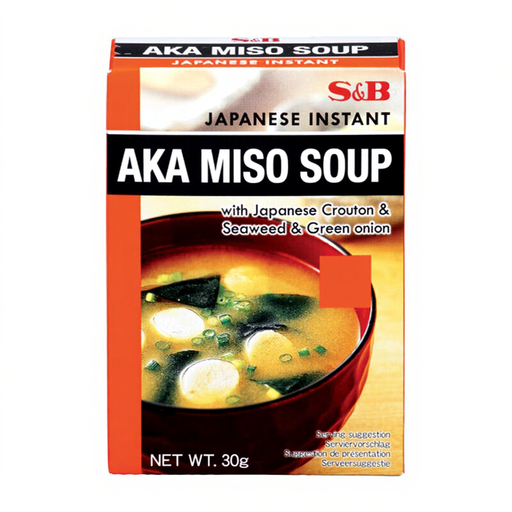 Image unavailable
This instant soup sachet is worth considering if you want to prepare one portion at a time.
If you’re comparing its salt content with another soup, use figures based on the same quantity after preparation. Also check the ingredients, particularly if you need to avoid soya or wheat.
 Image unavailable
This sachet is worth considering if you’d prefer a soup that needs cooking to separate instant portions.
Before estimating how many bowls it makes, compare the preparation instructions and nutritional information with the amount you’ll actually serve. Also check the ingredients if you need to avoid gluten or celery.
 Image unavailable
This is another sachet soup for households that can set aside time for cooking rather than making an instant bowl.
Check the packaging for the amount of water, number of portions and nutritional information for the bowl you serve. Read the ingredients if gluten or other allergens are a concern.
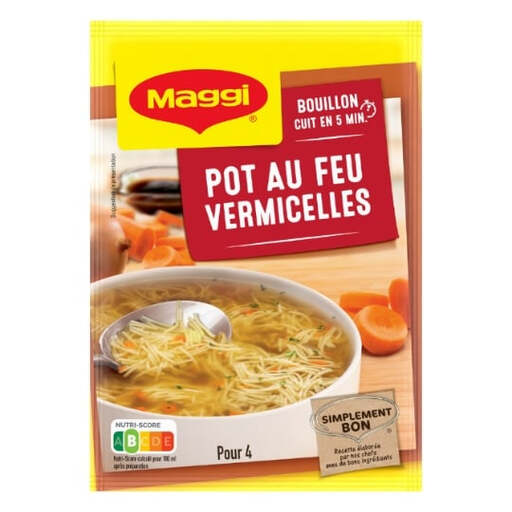 Image unavailable
This sachet could be a useful cupboard staple if the recipe and preparation suit the meals you have planned for the adults in your household.
Check the instructions to find out how much soup it makes and how many bowls it serves, then check the ingredients and allergen information on the product you buy.
Don’t consider a soup intended for adults to be suitable food for an infant. It may contain salt and allergens. Ask your baby’s healthcare professional for advice on choosing food for them.
Compare the amount of salt per 100 ml of reconstituted soup, then take into account how much you’ll serve. The Directorate-General for Competition, Consumer Affairs and Fraud Control explains that showing values per 100 g or 100 ml makes it easier to compare products. A figure per portion can’t be compared directly with one per 100 ml.
Not necessarily. It depends on the recipe, how much you serve and what else you plan to have with it. Check the nutritional information and number of portions before relying on a sachet as dinner on its own.
Check the specific recipe rather than relying on its name. Depending on the product, the soups mentioned here may contain wheat, milk or celery. Read the ingredients list and any ‘may contain’ statements on the sachet you buy.
Choose formats you’ll actually use, then follow the best-before date and storage instructions on each pack. For example, Auchan’s product information for MAGGI Tomato Soup with Vermicelli says to store it in a cool, dry place. Check the instructions for every other recipe, too.