When shopping with a food allergy in mind, start by choosing a recipe and checking the ingredients, highlighted allergens and ‘may contain’ statements on the packaging of the product you’re buying. Then choose a format based on the number of portions you actually need: a single-serving sachet, a family-size sachet and a large tin for catering use all serve different needs. None of these formats, on its own, guarantees that a soup is suitable for the allergy in question.
Who are these formats suited to?
People who need to avoid a specific allergen
Check the recipe and any ‘may contain’ statements for each product, rather than relying on the flavour alone. Product listings from Carrefour and Auchan show that these statements vary from one soup to another.
Households looking to adjust portion sizes
You want to prepare only what you need and avoid ending up with leftovers. Cup sachets, family-size sachets and large tins are designed for different quantities.
People who also compare the prepared soup
Once you’ve taken allergy-related requirements into account, you may want to compare nutritional information, including the salt per reconstituted portion, as well as the preparation method.
What should you check before buying?
When stocking up on dehydrated soups with a food allergy in mind, start with the ingredients and any ‘may contain’ statements. Then compare the yield from a sachet or tin with the number of portions you’ll be able to use.
| Criterion | What to check | Who it matters to |
|---|
| Allergens in the ingredients |
Read the ingredients list and look for the allergen you need to avoid, including in vermicelli, croutons or added protein. According to the DGCCRF, allergens in prepacked foods must be highlighted. |
When I need to avoid a specific allergen, I want to rule out any recipe that contains it, whatever the flavour on the pack; around 36% of consumers put this first. |
| ‘May contain’ statements |
Distinguish between ingredients and a ‘may contain’ statement on the current packaging. If it relates to the allergy in question, follow the precautions agreed with the healthcare professional who knows the person affected. |
If my allergy means I need to take possible traces into account, this statement may affect my choice; around 29% of consumers prioritise checking for them. |
| Format and portions |
Check the number of portions and the volume once prepared. For a large tin, also consider the pack size and how much you’ll be able to prepare and use. |
In my household, we don’t always eat together, so I’m looking for a format that won’t leave me making too much soup. Around 21% of consumers prioritise portion control. |
| Prepared soup |
Compare the nutritional values, particularly salt, for reconstituted portions of the same volume. Also check whether the soup is made in a cup or in a pan. |
Once allergy-related requirements are covered, I want to choose based on the soup as served and how long it takes to prepare; around 14% of consumers put these criteria first. |
Mistakes to avoid
-
Assuming a ‘vegetable’ soup is free from allergens
Carrefour’s product listings show that its Velouté légumes contains lactose and milk proteins, while its 9 légumes soup contains celery. The ‘may contain’ statements also differ.
Check the ingredients for the exact recipe: the flavour name alone doesn’t tell you whether it’s suitable for someone with an allergy.
-
Confusing a large tin with a family multipack
The 800 g MAGGI onion soup tin listed by POMONA EpiSaveurs makes around 16 litres, or 64 portions of 250 ml, and is sold in packs of six tins.
Before choosing this format, consider how many people will be able to eat the same recipe and how much storage space you have.
A catering-size yield can leave a lot of surplus if the portions you prepare aren’t eaten.
-
Reading the ingredients without checking for possible traces
Carrefour’s listing for ROYCO 10 légumes et croûtons soup distinguishes between ingredients and possible traces, including egg, peanuts, tree nuts, sesame, soya and mustard.
Check the ingredients list and the precautionary statement separately on the product you’re buying, then follow the advice relevant to the allergy in question.
-
Comparing salt without allowing for the serving size
Auchan’s listings show 1.4 g of salt per 200 ml for ROYCO chicken and crouton soup, compared with 1.7 g per 250 ml for MAGGI tomato and vermicelli soup. These serving sizes aren’t the same.
Compare the salt content for the same volume of reconstituted soup, and make sure allergy-related requirements come first.
Brands to check recipe by recipe
MAGGI, ROYCO and CARREFOUR offer different formats and ingredients. The brand alone isn’t enough to tell you whether a recipe is suitable for someone with an allergy.
MAGGI
The products listed include a family-size sachet of tomato and vermicelli soup and an 800 g tin of onion soup intended for catering use.
- These two formats make it easy to distinguish between a soup for the household and one for catering use.
- Auchan’s listing for the tomato and vermicelli soup mentions wheat and celery, as well as possible traces of egg, milk and soya. Check the recipe you’re considering rather than making assumptions about the whole brand.
ROYCO
The products listed are instant soups in single-serving sachets, including chicken and crouton soup sold in packs of three, for 20 cl cups.
- The packaging lets you prepare one cup at a time.
- Carrefour and Auchan’s listings for the 10 légumes et croûtons and chicken and crouton recipes identify allergens in the ingredients and several possible traces, which vary by recipe.
CARREFOUR
The products listed include a Velouté légumes in four 20 g sachets and a 105 g sachet of 9 légumes soup.
- Carrefour’s product listings make it possible to compare the ingredients and ‘may contain’ statements for these products.
- The Velouté légumes contains lactose and milk proteins; the 9 légumes soup contains celery. So a ‘vegetable’ label isn’t enough to help you choose when you have an allergy.
Soups and preparations available on Joybuy
These products are mainly sachet or small-pack preparations to check individually when stocking your cupboard. Family Whole’s sweet powder is a different type of preparation from a savoury soup. For every product, check the ingredients and any ‘may contain’ statements on the packaging you buy.
 Image unavailable
ROYCO noodle, carrot and mushroom soup, 3 × 20 cl
The pack of three portions is handy if you want to make one cup at a time.
The listed ingredients include gluten, celery and milk. Before choosing it for someone with an allergy, check the other ingredients and any ‘may contain’ statements on the packaging.
View on Joybuy
 Image unavailable
MAGGI Harira dehydrated soup, 90 g
This soup is made in a pan, so it’s better suited to occasional preparation than serving straight from a cup.
Gluten is listed in the ingredients, and possible traces of egg, soya, milk and celery are noted. Check the label on the pack you buy against the allergy in question.
View on Joybuy
 Image unavailable
MAGGI Chorba dehydrated soup, 85 g
This product is made in a pan for an occasional meal.
Gluten and celery are listed among the ingredients, with possible traces of egg, soya and milk. Check the packaging for the product you buy.
View on Joybuy
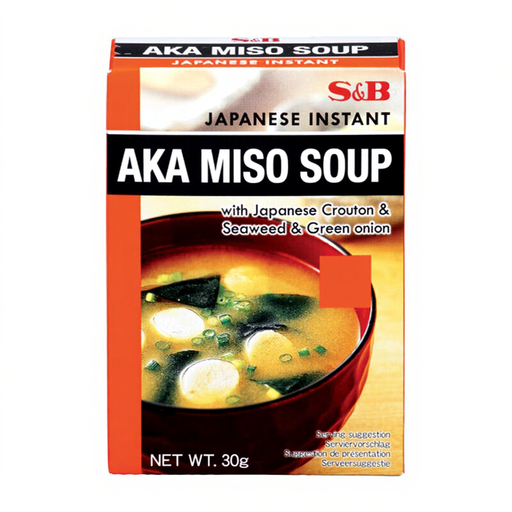 Image unavailable
S&B Instant Aka Miso Soup, 30 g
This miso soup is prepared one sachet at a time. If you’re planning several portions, check how many sachets are included in the pack.
The listed ingredients include soya and wheat containing gluten. Also check the packaging for any ‘may contain’ statements.
View on Joybuy
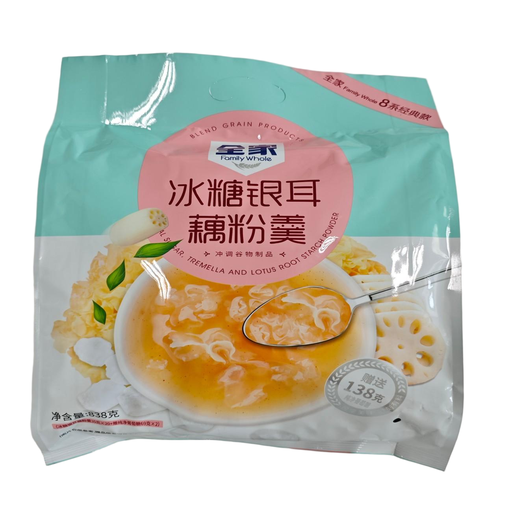 Image unavailable
Family Whole Rock Sugar Silver Ear Lotus Root Powder Soup, 838 g
This powder preparation is described as sweet and similar to porridge. It isn’t a substitute for savoury soup if that’s what you’re looking to stock in your cupboard.
If you have a food allergy, check the ingredients list and any ‘may contain’ statements on the packaging. A general statement about allergens isn’t enough to establish whether it’s suitable for your circumstances.
View on Joybuy
Frequently asked questions
Do allergens have to be listed on prepacked dehydrated soup sold in France?
Yes. According to the DGCCRF and Service Public Entreprendre, allergens in the ingredients must be listed and highlighted in the ingredients list of a prepacked food. Read the list on the packaging of the product you’re buying.
Is a ‘vegetable’ soup automatically suitable if you have a milk or gluten allergy?
No, you can’t tell from the recipe name alone. Carrefour’s listing for its Velouté légumes states that it contains lactose and milk proteins, as well as possible traces of cereals containing gluten. Check the ingredients and ‘may contain’ statements for each product.
How do you get the portion size right with instant soup sachets?
Follow the preparation instructions for the sachet you’ve bought. Auchan’s listing for ROYCO chicken and crouton soup recommends adding 200 ml of boiling water to a cup and leaving it to stand for two minutes. Other recipes may have different instructions.
Is a large tin suitable for a small household?
Only if your household can use the amount it makes and the recipe meets everyone’s dietary requirements. The 800 g MAGGI onion soup tin listed by POMONA EpiSaveurs makes around 16 litres, or 64 portions of 250 ml, and is sold in packs of six tins.


