What should you check before buying?
First decide whether you’re making one bowl or several, then compare recipes using the same nutritional basis. For a meal after cycling, the amount you actually serve matters more than the weight of the sachet alone.
| Criterion |
What to check |
Who it matters to |
| Its place in the meal |
Compare the energy, carbohydrates and protein in the prepared serving; also consider the other food and drinks in the meal. |
After a ride, I want to know what my bowl contributes to the meal rather than relying on the soup alone. Around 36% of consumers prioritise the make-up of a meal around exercise. |
| Recipe ingredients |
Compare the salt content on a like-for-like basis, and check the ingredients, highlighted allergens and ‘may contain’ statements. |
If I need to avoid an ingredient or watch my salt intake, the recipe name alone isn’t enough to help me choose. For around 36% of consumers, the exact ingredients are the top priority. |
| Cupboard format |
Check the number of sachets, the stated number of bowls and how much water you need to prepare it. |
To keep a hot option at home without making more bowls than I need, I look for packaging that suits my meals. Portion convenience comes first for around 28% of consumers. |
Soups to consider on Joybuy
These soups suit different cupboard needs: making a quick portion, preparing a sachet at home or trying a variety of recipes. Choose based on the packaging and label of the exact product, without assuming that soup on its own will meet all the needs of a meal after cycling.
 Image unavailable
Royco soup with noodles, carrots and mushrooms, 3 × 20 cl
Worth considering if you’d like to keep individual portions on hand and make one bowl at a time. The title lists a pack of 3 × 20 cl; check the ingredients and allergens for this recipe on the packaging.
View on Joybuy
 Image unavailable
Maggi Harira Soep, 90 g
This 90 g sachet is an option for making a hot soup at home. Before comparing its per-serving nutritional values with another recipe, check the amount of water and the number of bowls stated on the packaging.
View on Joybuy
 Image unavailable
Maggi Chorba Soep, 85 g
This 85 g sachet can be part of a hot meal prepared at home. Check the stated yield and amount of water on the packaging so you can relate the nutritional information to the portion you’ll serve.
View on Joybuy
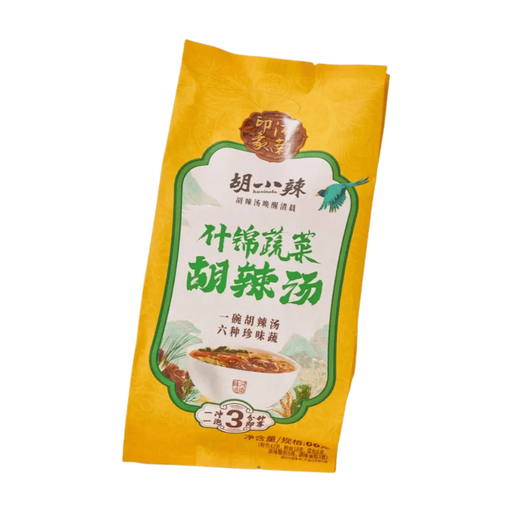 Image unavailable
Haoxiangni spicy mixed vegetable soup, 66 g
This 66 g soup is an option for anyone looking for a spicy recipe to keep in the cupboard. To compare its nutritional information with another soup, check whether values per 100 g refer to the dry product or the prepared soup.
View on Joybuy
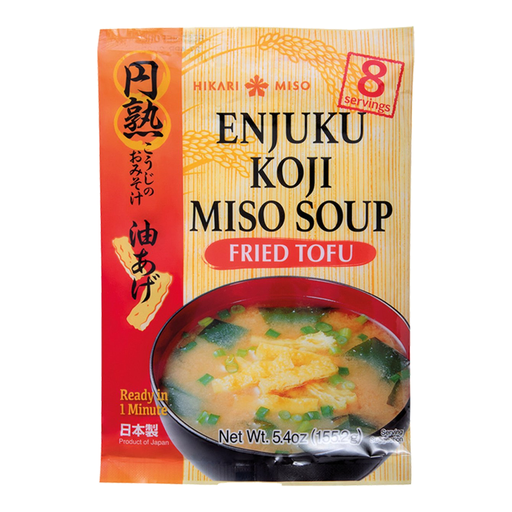 Image unavailable
Hikari Miso Enjuku Miso Soup Aburaage, 155,2 g
This miso soup variant is an option for a warming break. The pack is listed as 155,2 g: check the number of servings, as well as the ingredients and allergens for the Aburaage variant, before adding it to your stock.
View on Joybuy
Frequently asked questions
Is dehydrated soup enough after a bike ride?
Not necessarily as a meal on its own. The American College of Sports Medicine highlights that food and fluids around exercise should meet the needs of the activity. Consider what the serving of soup provides and what else you plan to eat and drink with it.
How should you compare two dehydrated soups?
Start by comparing their values on the same basis, for example per 100 g, then look at the serving you’ll actually prepare. The Directorate-General for Competition Policy, Consumer Affairs and Fraud Control notes that nutrition declarations include energy, fat, sugars, protein and salt, among other things.
Should you check the allergens in vegetable soup?
Yes: ‘vegetable’ doesn’t describe every ingredient. Carrefour’s listing for a Knorr 9 Vegetable Soup, for example, mentions wheat, milk and celery. Also check for any ‘may contain’ statements on the packaging of the product you choose.
What should you check when stocking up on soup?
Check the number of sachets, how many bowls the pack is supposed to make, the best-before date and the storage instructions for the pack you buy. This will help you distinguish individual portions from a sachet intended to make several bowls.


