What should you check before you set off?
First, check whether you’ll be able to follow the preparation instructions at your campsite. Then choose between individual portions and a recipe for sharing, and compare the labels of the recipes you’re considering.
| What to consider |
What to check |
Who it matters to |
| Individual portions |
Count the sachets and check the stated prepared volume for each one. |
If I want to set aside a soup for each meal without opening a large sachet, I prefer portions that are already divided up. Around 31% of consumers might make this their top priority. |
| Serving a group |
Look for the stated number of people or portions; net weight alone won’t tell you how many servings you’ll get. |
At base camp, making several bowls of soup together may be simpler than handing out individual sachets. For around 25% of consumers, serving a group would be the main priority. |
| Preparing it at the campsite |
Read the recipe instructions and check what water and equipment you’ll need. |
If I don’t have the right means to prepare the soup, I should consider a ready-to-eat product separately. Preparing soup at the campsite would be the priority for around 25% of consumers. |
| Ingredients and storage |
Compare allergens and salt levels on the recipe labels; check the date and condition of the packet. |
When stocking up, I want to choose each recipe based on its ingredients and keep track of its dates. Around 19% of consumers would prioritise these checks. |
Soup sachets to consider on Joybuy
These products are dehydrated or instant soups that need to be prepared at the campsite. Some divide the portions into separate sachets, while the Knorr sachet is designed to be prepared for sharing. Check the preparation instructions and the label for your chosen variant before adding it to your camping meals.
 Image unavailable
Royco dehydrated noodle soup with carrot and mushrooms, 3 × 20 cl
Worth considering if you want to portion out meals separately and have access to hot water.
The box contains 3 sachets of 20 cl, or around 3 prepared portions. Check the packaging to see how much water you need for each sachet.
View on Joybuy
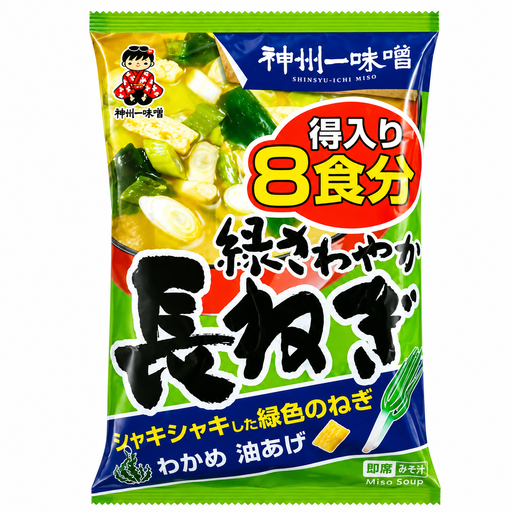 Image unavailable
Shinsyu Ichimiso instant onion miso soup, 8 portions, 155.2 g
Worth considering if you want to divide up several portions and can boil water at the campsite.
The pack contains 8 portions and weighs 155.2 g. If you open the outer sachet before the end of your trip, check how to store the remainder.
View on Joybuy
 Image unavailable
Knorr Thai noodle soup with mushrooms, 2 Assorted, 69 g, 0.70 L
Worth considering if you want to make a soup to share and have a way to boil water.
The title states 69 g and 0.70 L. Check the cooking instructions before planning to have this soup at a stop where you won’t have a camping stove.
View on Joybuy
 Image unavailable
Hikari Enjuku Tofu instant miso soup, 8 pieces
Worth considering if you want to divide the portions between people or meals, provided you have hot water.
The pack contains 8 pieces. Check the preparation instructions and allergens for this product before you set off.
View on Joybuy
Frequently asked questions
Can a dehydrated soup sachet replace a tin of ready-to-eat soup?
No. Dehydrated soup in a sachet needs to be prepared according to the product instructions. If you’re looking for a meal you can eat without preparing it at the campsite, check the format and instructions for a ready-to-eat option separately.
What should I look for on the label before taking soup camping?
Check the preparation instructions, number of portions, ingredients, allergens and nutritional information for each recipe. If you’re organising a stock of soup, make a note of the date shown and check that the packaging is in good condition.
Can you still use a soup after its best-before date?
A product past its best-before date is not the same as one past its use-by date. The French Directorate-General for Competition Policy, Consumer Affairs and Fraud Control says that a product may lose some of its flavour after its best-before date. Check that the packaging is intact and follow the product information, and never go past any use-by date.
How can I compare the salt content of two soup sachets?
Compare the “salt” value for each recipe on the same basis, as shown on the labels: per 100 g or per prepared portion, depending on the information available. ANSES lists soups and broths among the foods that contribute to salt intake, so don’t assume two recipes from the same brand have the same ingredients.


