Hosts planning to serve several bowls
If you’d like to serve soup alongside your barbecue, sachets labelled as making three or four portions can help you work out how much to prepare. Auchan, for example, has family-size options in these formats.


When catering for a group at a barbecue, start by choosing a format to suit the number of portions you plan to make. A family-size sachet works well for serving everyone at once, while individual sachets let you decide how many bowls to prepare. If you’re looking for a “bulk tin” or multipack of tins, check the product category: tinned soup isn’t dehydrated soup. Before stocking up, compare the ingredients, allergens and salt content of each recipe too.
If you’d like to serve soup alongside your barbecue, sachets labelled as making three or four portions can help you work out how much to prepare. Auchan, for example, has family-size options in these formats.
If the number of guests might change, individual portions mean you don’t have to prepare a whole family-size sachet. Carrefour sells its Royco 10 Vegetables and Croutons soup in a box of three sachets.
If you’re serving guests who need to avoid certain ingredients, check the exact recipe before you buy. Check the allergens and nutritional information for each variety, even within the same brand.
First, work out how many bowls you might serve and whether you’ll prepare them all at once or as needed. Then check the ingredients in the recipe you choose.
| What to consider | What to check | Who this matters to |
|---|---|---|
| Number of portions | How many bowls the pack says it makes and how much water you’ll need, rather than the sachet’s weight alone. | If I’m serving several guests, I want to know how many bowls I can make from my stock. Around 38% of consumers make this their priority. |
| Flexible serving | Whether there are separate sachets or one large sachet, and how much each portion makes. | If the number of guests changes, I’d rather make only the bowls people want. Flexible portions are the main priority for around 31% of consumers. |
| Ingredients | The ingredients and allergens in the exact recipe, and salt content on a like-for-like basis. | Before serving my guests, I need to be able to check what each soup contains. This comes first for around 31% of consumers. |
A box of individual sachets isn’t prepared in the same way as a family-size sachet. Dry weight alone doesn’t tell you how many bowls you’ll get either.
To plan how much to serve, check the stated number of portions and the amount of water required for each recipe.
Ingredients vary from one recipe to another. Carrefour lists wheat, milk and celery in its Royco 10 Vegetables and Croutons soup, for example; these ingredients don’t apply to every Royco soup.
For each variety you’re considering, read the ingredients, highlighted allergens and any warnings about traces.
Nutritional values vary between recipes. Auchan lists 1.6 g of salt per prepared 315.3 ml portion of Maggi onion soup.
Compare salt content on a like-for-like basis, particularly per prepared portion where this information is available. Don’t assume the figures for one recipe apply to another.
Tinned soup and dehydrated soup are two distinct categories. “Multipack” can also refer to several sachets, rather than tins.
If you’re looking for a dry soup to keep in the cupboard, check the product format and preparation instructions before comparing pack sizes.
Auchan lists several Maggi dehydrated soups designed for family-size servings, including vegetable and onion recipes.
Carrefour’s Royco 10 Vegetables and Croutons soup comes in a pack of three sachets, so you can prepare separate portions.
Carrefour’s range includes dehydrated soups under its own brand, with different pack sizes and recipes.
This selection includes dehydrated soups in sachets and instant soups in individual portions. If you’re looking specifically for a dehydrated product, check the format of the contents when choosing an instant miso soup. None of the formats featured here are tinned soup.
 Image unavailable
With three portions listed, this is a good option if you want to adjust how many bowls you serve. Check the ingredients and allergens in this recipe before serving it to your guests.
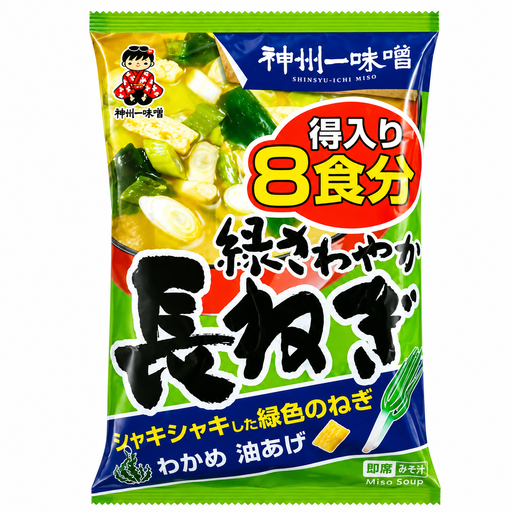 Image unavailable
The eight portions listed may suit a staggered serving. If you specifically want dehydrated soup, check the product format on the packaging before choosing this instant soup.
 Image unavailable
The pack of eight is worth considering if you plan to serve individual portions. If you’re specifically looking for dehydrated soup, check the format of the contents, as well as the allergens in this recipe.
 Image unavailable
This sachet of dehydrated soup is better suited to preparing several portions at once than to serving individual portions. Check the number of bowls stated on the packaging and the allergens before planning how much to serve.
 Image unavailable
This sachet could be a handy cupboard option, but check the amount of water required and the number of bowls it makes on the packaging before relying on it for several guests. Check the allergens in the recipe too.
Start with the stated number of portions and the volume of soup prepared, then check the ingredients, allergens and salt content of each recipe. To compare nutritional values, use the same basis, such as per 100 g or 100 ml, and check the figures per prepared portion too, if they’re shown on the packaging.
Yes, if you plan to make several bowls at once and the stated number of portions is right for you. If the number of servings might vary, separate sachets let you prepare only what you need. In either case, check how much each preparation makes.
Read the label for the exact recipe, including highlighted allergens and any warnings about traces. The DGCCRF sets out the labelling rules for prepacked foods. Don’t assume a soup has the same ingredients as another flavour from the same brand.
Check which type of date is shown on each pack and follow its storage instructions. The DGCCRF distinguishes between the best-before date, after which a product with intact packaging may lose some of its flavour, and the use-by date, which must be observed. Once opened, follow the product’s own instructions.