Students with access to hot water only
An individual portion saves you having to measure out a large pack. Before taking it with you, check the amount of water, container and preparation time the instructions call for.


If you only have access to hot water at university, choose an individual portion with preparation instructions and a volume that suit what you can manage there. A multi-portion pack is better if you can share it or prepare it before you leave. In either case, check the storage instructions, ingredients and allergens for the exact recipe.
An individual portion saves you having to measure out a large pack. Before taking it with you, check the amount of water, container and preparation time the instructions call for.
The number of portions, best-before date and instructions for storage after opening are just as important as the pack format when planning lunches ahead.
Ingredients vary by recipe. Check the allergens and nutritional information on each pack, even when two soups are from the same brand.
Start with the preparation method that fits your university lunch break, then compare the format and label of each soup with your needs.
| Criteria | What to check | Who might prioritise it? |
|---|---|---|
| Preparing it on site | Instructions, amount of water and container required. | If I only have access to hot water, I need a soup I can prepare during my break without a saucepan. Around 36% of consumers would prioritise being able to prepare it on site. |
| Portions and storage | Number of portions, best-before date and instructions for storage after opening. | If I’m keeping sachets in the cupboard, I want to know how many lunches the pack will make and how to store it. Around 29% of consumers would prioritise this kind of planning. |
| Ingredients | Ingredients, allergens and salt content in the nutritional information. | If I need to watch out for an allergen or salt, the recipe name alone isn’t enough: I check the label. Around 21% of consumers would put ingredients first. |
| Recipe and prepared quantity | Recipe ingredients and the quantity stated for one portion. | I want to choose a recipe I’ll enjoy taking with me and know how much it makes for my bowl. Around 14% of consumers would prioritise their choice of recipe and portion size. |
A pack designed for several bowls may need a saucepan, more water or preparation before you leave. Just because it comes in a sachet doesn’t mean it can be made in a mug.
Check the number of portions and preparation instructions against the equipment available during your break.
A vegetable or vermicelli recipe may contain wheat, milk, celery or other allergens, depending on the product.
Read the ingredients list and any ‘may contain’ warnings for the exact product, rather than assuming it has the same ingredients as another recipe from the same brand.
According to the DGCCRF, a product that has passed its best-before date may have lost some of its quality, even if the packaging is intact. A use-by date follows a different rule: it must not be exceeded.
Keep dates visible in your cupboard, check the packaging and follow the storage instructions after opening.
Royco offers individual portions of instant soup, among other products. Carrefour lists its Chicken, Vermicelli and Carrot recipe in three 20 cl sachets.
Maggi offers multi-portion dehydrated soups, including vermicelli recipes and a harira.
Carrefour’s French range includes dehydrated soups under its own brands, in a variety of recipes and formats.
E.Leclerc’s range includes several soups in sachets, including vermicelli, vegetable and mushroom recipes.
Auchan offers a Pouce-style dehydrated chicken and vermicelli soup in a sachet for four people.
This selection includes dehydrated soups and instant soups made in a mug, cup or saucepan. For lunch at university, start by choosing a product that suits the water, container and time you actually have available.
 Image unavailable
The three sachets, each stated to make 20 cl, are handy as individual portions to take with you. Before putting one in your bag, check the pack for hot-water preparation instructions and allergens specific to this recipe.
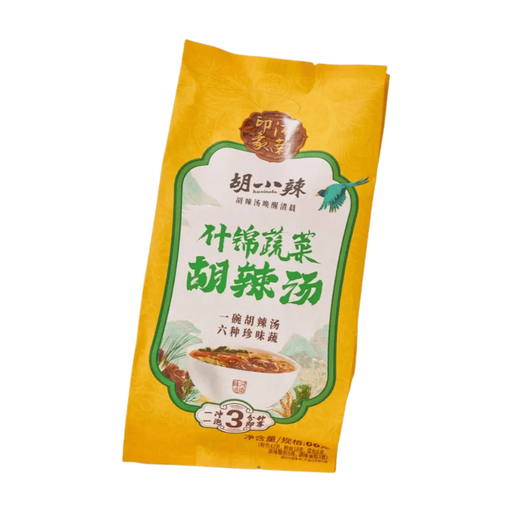 Image unavailable
Worth considering if you have access to boiling water and a bowl during your break. Before choosing it for campus, check the amount of water in the instructions and the allergen information.
 Image unavailable
This instant portioned format may suit preparation in a mug with hot water. If you’re specifically looking for dehydrated soup, check the product format on the packaging, along with its allergen information.
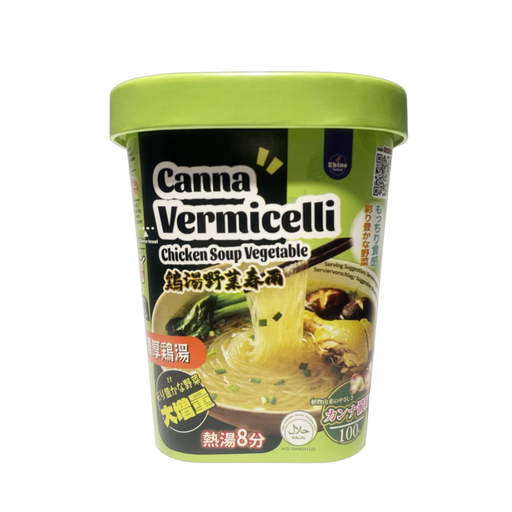 Image unavailable
The cup format is worth considering if you have access to boiling water during your break. Check the fill line and standing time on the packaging, then check the allergen list.
 Image unavailable
This soup is worth considering if you can use a saucepan or prepare it before you leave, rather than relying on a mug at university. Before planning it for lunch, check the pack for the amount of water, cooking instructions and allergens.
No. Check the date and storage instructions on the pack you choose. The DGCCRF distinguishes between a best-before date, after which a product with intact packaging may have lost some of its quality, and a use-by date, which must not be exceeded.
Check the ingredients, highlighted allergens and any ‘may contain’ warnings for the exact recipe. A vegetable or vermicelli soup may still contain wheat, milk, celery or other allergens.
Don’t judge the whole meal by the soup’s name alone. Look at the prepared portion and its nutritional values, then consider the other food in your meal and any dietary requirements you have.
No. If it appears on the packaging, Nutri-Score provides nutritional information, but it doesn’t replace checking portions, ingredients, allergens and salt content.
Compare the salt content for the quantity you prepare, and avoid automatically adding more. Anses lists soups and broths among the sources of salt in the French diet.