People having lunch together while working from home
If several people sit down to eat at the same time, look for a sachet that’s labelled as making several bowls. Auchan, for example, lists Maggi and Knorr soups that serve four people.


If you’re serving several bowls at the same lunch, choose a sachet that’s clearly labelled as making four portions: Maggi and Knorr products listed by Auchan fit the bill. If everyone has lunch at a different time, individual sachets are easier to portion out. In either case, check how much soup it makes, the salt per portion and the allergens in the recipe you choose.
If several people sit down to eat at the same time, look for a sachet that’s labelled as making several bowls. Auchan, for example, lists Maggi and Knorr soups that serve four people.
Individual sachets let you make soup at different times without preparing a shared pan. Auchan, for example, lists Royco multipacks containing four 20 cl sachets.
Compare nutritional information on a like-for-like basis, then check the amount in the prepared bowl. Also read the ingredients and allergen information for each recipe, as these can vary from one sachet to another.
For a shared lunch, start by checking how many bowls the sachet is said to make, then look at the preparation instructions. If lunch breaks are at different times, focus on the number and volume of the individual sachets instead. Pack weight alone won’t tell you which format suits your needs.
Choose this: when several people are having soup at the same time. Auchan lists Maggi organic tomato and vermicelli soup as making four portions.
Bear in mind: you’ll need to prepare it all at once, and everyone will have the same recipe. Check the recipe’s allergens before serving.
Choose this: if lunch breaks are staggered or everyone prefers to make their own soup.
Bear in mind: you’ll be making several individual portions rather than one shared pan. Four sachets don’t necessarily mean four bowls served together.
| Factor | What to check | Who it matters to |
|---|---|---|
| Shared meal | Look for the stated number of portions or bowls, as well as the amount of water needed. A large sachet isn’t necessarily enough for four portions. | When we have lunch together, I want to know whether one sachet will make enough bowls. Around 40% of consumers say this shared format is their top priority. |
| Staggered lunch breaks | Check the number of sachets and the amount made by each one. A 4 × 20 cl format provides four individual portions. | If everyone takes a break at a different time, I prefer to make just my own portion. This flexibility is the main priority for around 30% of consumers. |
| Ingredients | Compare the salt per 100 ml of prepared soup and per bowl, then check the ingredients and allergen information for the exact recipe. | Before choosing a recipe for my household, I want to be able to check its salt content and listed allergens. This is the top priority for around 20% of consumers. |
| In-store availability | Check which product is available at your store and how many portions it makes before choosing a pack size. | If I’m relying on a particular product for lunches during the week, I want to be able to find it locally. Availability comes first for around 10% of consumers. |
Weight alone won’t tell you how many bowls you can serve. For products such as Carrefour Classic' 9 Vegetables and Régal Soupe Minestrone, check the portion information on the packaging.
Before planning a meal for several people, look for a clear number of portions or bowls, along with the amount of soup it makes.
A value per 100 ml doesn’t necessarily reflect the amount in your bowl. Auchan lists 1.7 g of salt per 250 ml portion of Maggi organic tomato and vermicelli soup; the Joybuy listing for Royco carrot and mushroom soup states 1.82 g per 200 ml.
First compare the values per 100 ml of prepared soup, then check the amounts in the portions you plan to serve.
Four individual sachets are suited to separate preparations, while a sachet labelled as serving four people lets you make several bowls at once.
Choose a format based on your household’s lunch schedules first, then check how much each preparation makes.
A vegetable soup may contain other ingredients or carry a warning about traces. Auchan’s listing for Maggi organic tomato and vermicelli soup, for example, specifies wheat and celery.
Before eating, check the ingredients and allergen information on the packaging of the product you receive.
Auchan lists Maggi organic tomato and vermicelli soup and organic vegetable and vermicelli soup, both labelled as serving four people.
Royco makes instant soups in individual sachets. Auchan, for example, lists packs of four 20 cl sachets.
Carrefour, for example, lists a 105 g 9 Vegetables dehydrated soup, with ingredient and nutritional information.
E.Leclerc lists Régal Soupe dehydrated soups, including a 104 g sachet of minestrone.
This retailer separates family-size dehydrated soups from individual instant soups by various manufacturers in its range.
To look for dehydrated soup at this retailer, first select your supermarket on the Lidl France website.
These products are mostly soups in sachets or packs that you can spread across several lunches. If you’re serving a meal to several people at the same time, check how many bowls each product makes: a multipack isn’t automatically a substitute for a sachet labelled as serving four people.
 Image unavailable
The three sachets are handy for separate lunches, rather than making one shared pan.
The Joybuy listing states 1.82 g of salt per 200 ml portion. Check the packaging for ingredients and allergens, including gluten, celery and milk, which are listed for this recipe.
 Image unavailable
If you’re planning to share this mushroom noodle soup, check that it makes enough for everyone at the table.
The title states that the sachet weighs 69 g and makes 0.70 l when prepared. Check the packaging for allergen information before serving.
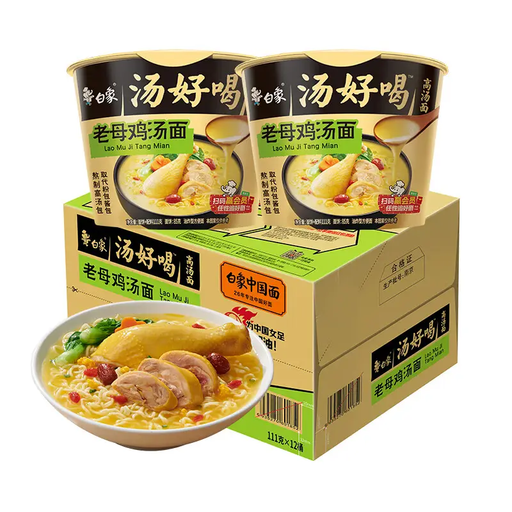 Image unavailable
The box of twelve packs can be spread across several lunches rather than prepared as one family-size soup.
Check the pack you receive for the weight of each pack, the number of portions it makes and the preparation instructions. Also check for information about gluten and soya.
 Image unavailable
The eight sachets are for separate portions, unlike a family-size sachet designed to make several bowls.
The stated preparation uses around 160 ml of hot water per sachet. If salt per bowl is important to you, check the value for the prepared portion on the packaging, and check the allergen information too.
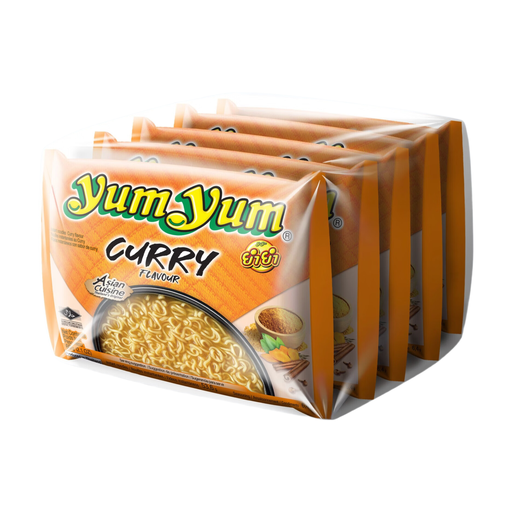 Image unavailable
The pack of five can be spread across several lunch breaks, but the pack size alone doesn’t tell you how many bowls each portion makes.
Check the packaging for the amount of water, the number of portions and allergen information, particularly details about gluten and milk.
Look for a clear statement of the number of portions or bowls it makes, along with the amount of water to add. Auchan states that Maggi organic tomato and vermicelli soup makes four portions, uses 1 litre of water and takes five minutes to cook; its Knorr chicken soup listing says it makes four bowls. The sachet’s weight alone isn’t enough.
Check both values, as they’re useful for different reasons. Salt per 100 ml of prepared soup lets you compare recipes on a like-for-like basis, while salt per bowl reflects the portion you’ll serve. The DGCCRF states that the nutritional information for prepacked foods is given per 100 g or 100 ml. Also check the actual volume of your bowl.
Read the ingredients and allergen information for the exact recipe on the packaging you receive. The Maggi organic tomato and vermicelli soup listed by Auchan contains wheat and celery and may contain eggs, milk and soya. Don’t assume the same information applies to another recipe.
No. When choosing between these formats, also check the number of portions, how much soup it makes, the salt content and the allergens. Look at the nutritional information for each product, rather than assuming from a score alone that it’s right for your lunch.