Who might these soups suit?

Picnickers without cooking facilities

If you need to share out the soup away from home, check the number of portions, how much water you’ll need and the preparation instructions. An individual sachet doesn’t necessarily mean that warm water will be enough.

Anyone comparing sugar and salt

To compare two recipes, check their ‘of which sugars’ and ‘salt’ figures on the same basis of preparation, then work out how they compare with the portion you plan to eat.

Groups checking ingredients

Before choosing a soup for a group, read the ingredients and allergen information for each recipe. Ingredients vary by flavour, even within the same soup category.

What should you check before your picnic?

Individual portions

Choose this if: everyone needs to be able to carry their own portion separately.

Bear in mind: a portioned format doesn’t mean you can skip checking the water and preparation method required by the recipe.

Large sachet to share

Choose this if: you can prepare the soup for the group and serve it out into bowls on the spot.

Bear in mind: the recipes reviewed require you to bring water to the boil, then cook or simmer the soup.

What to check Look for Who is it for?
Sugars and salt Compare ‘of which sugars’ and ‘salt’ per 100 ml of prepared soup, then check the portion you’ll eat. I want to compare recipes without confusing the figures for the powder with those for the soup as served. Around 36% of consumers would put this comparison of sugars and salt first.
Preparing soup in the park Check how much water is needed, whether it needs to be boiled and how long the soup needs to cook. Without cooking facilities, I need a recipe that works with the hot water and equipment I can actually bring; this would be the top priority for around 29% of consumers.
Ingredients and allergens Check the ingredients list, highlighted allergens and any information relevant to your group. If someone needs to avoid an ingredient, I have to choose based on the exact recipe, not just its name. This compatibility would come first for around 21% of consumers.
Sharing and carrying Check the number of portions and distinguish the storage instructions for the dry sachet from those for prepared soup. To serve several bowls, I need to work out how much to carry and decide whether I’ll prepare the soup on the spot. Around 14% of consumers would prioritise this planning.

What should you watch out for?

  • Assuming a soup is low in sugar

    A savoury recipe or one described as vegetable soup may still contain sugar in its ingredients list. Its sugar content also tells you nothing about how much salt it contains.

    Compare ‘of which sugars’ and ‘salt’ on the same basis of prepared soup, then check the ingredients for the recipe you’ve chosen.

  • Choosing a large sachet without planning how to cook it

    The large-sachet examples reviewed require you to boil water, then cook or simmer the soup. Simply bringing hot water with you may not be enough to follow the instructions.

    Before buying, check the instructions and make sure you can use the necessary equipment in the park.

    If the soup needs to be cooked, you’ll also need to bring a pan and something to stir it with.

  • Applying dry-sachet storage instructions to prepared soup

    Storage information for a dry product doesn’t tell you how to transport the soup once it has been made up.

    If you prepare it before setting off, make sure it’s stored appropriately. Anses recommends limiting how long perishable foods are kept at room temperature.

  • Judging the ingredients by the name ‘vegetable soup’

    Depending on the recipe, vegetable soup may also contain animal-derived ingredients or allergens such as milk, wheat or celery.

    Check the ingredients and allergens on the exact sachet, especially if someone in your group avoids certain ingredients.

Brands to know when comparing soups

Maggi

The Maggi tomato and vermicelli soup listed by Auchan comes in a 70 g sachet and is advertised as serving four.

  • The instructions call for 1 L of water and five minutes of cooking, so factor this into your plans for preparing it in the park.
  • Don’t assume that the format or nutritional information for this recipe applies to other Maggi soups.

Royco

Royco offers several soup ranges, including vermicelli recipes and individual portions.

  • The chicken, vermicelli and carrot soup listed by Carrefour comes in three 20 cl portions, which you can share among the group.
  • Ingredients and allergens vary by recipe, so check the product you choose.

Carrefour

Carrefour offers, among other options, an instant tomato soup in four 20 cl portions.

  • The portioned packaging makes it easy to plan how many servings to prepare.
  • The ingredients list for this soup includes sugar and dried glucose syrup, so the word ‘instant’ doesn’t tell you how much sugar it contains.

Auchan

Auchan’s dehydrated soup range brings together individual and family-size options from different brands.

  • These two formats make it easy to compare preparation and sharing requirements.
  • Check portions, ingredients and preparation instructions separately for each product.

Soups available on Joybuy

This selection includes portioned Royco soup, Knorr soup to prepare for several bowls and instant S&B miso soup. Choose based on how you can prepare it in the park, then compare the nutritional information using the same basis.

Royco dehydrated soup with noodles, carrots and mushrooms, three 20 cl portions

Royco, noodle, carrot and mushroom soup, 3 × 20 cl

The three 20 cl portions are a good choice if everyone needs to carry their own serving; check the instructions before working out how much water you’ll need in the park.

The recipe lists gluten, celery, milk and chicken among its ingredients. Compare the sugar and salt figures for the reconstituted soup shown on the packaging.

View on Joybuy

Knorr Thai noodle and mushroom soup, 69 g

Knorr, Thai noodle and mushroom soup, 69 g, 0,70 L

This soup makes several bowls, so you’ll need to be able to bring 700 ml of water to the boil and then simmer the soup for five minutes.

The recipe contains gluten, eggs, soya, mustard and milk. Check the full allergen list and compare sugars and salt for the prepared soup.

View on Joybuy
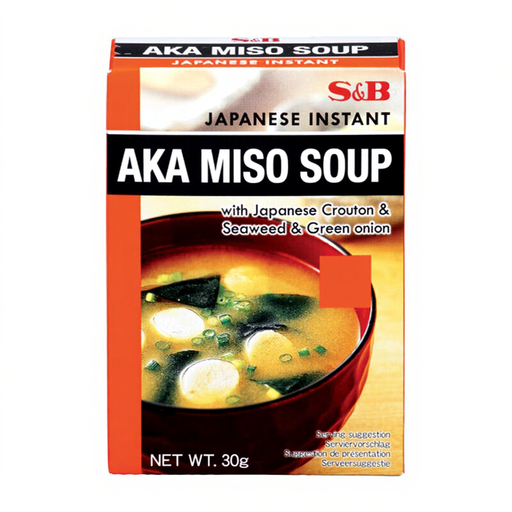
S&B instant red aka miso soup, 30 g

S&B Instant Aka Miso, red miso soup, 30 g

To make this instant soup in the park, bring boiling water and check the packaging for the amount needed and the number of portions.

The recipe contains soya and wheat. Nutritional values per 100 g can’t be compared directly with those for another soup per 100 ml as prepared.

View on Joybuy

Frequently asked questions

How can you tell if a soup has ‘reduced sugar’?

Check that the claim appears on the packaging and see which comparable product it refers to. Without that claim, don’t assume a soup has less sugar based on its taste or name. Instead, compare the ‘of which sugars’ figures for soups of the same type, using the same basis of preparation.

Should you compare the powder or the prepared soup?

To compare what you’ll be serving, use the figures per 100 ml of prepared soup for each recipe, where available. The DGCCRF notes that nutritional information is given per 100 g or 100 ml, so check which form of the product the figures refer to before comparing them.

Is choosing the soup with less sugar enough to decide between two recipes?

No. Also compare salt, ingredients and allergens to suit the needs of your group. Anses lists soups and broths among the foods that contribute to salt intake, so a difference in sugar content doesn’t tell you everything you need to know.

Can you prepare the soup before setting off for the park?

Yes, as long as you can store and transport it appropriately once prepared. The instructions for the dry sachet don’t automatically apply to reconstituted soup. Anses recommends limiting how long perishable foods are kept at room temperature.

Where can you check the allergens in dehydrated soup?

Read the ingredients list and highlighted allergens on the packaging for the exact recipe. For prepacked foods sold in France, the DGCCRF states that labelling information must be visible, legible and written at least in French.