Households making several bowls
If you’re sharing the soup, check the number of servings stated on a family-size sachet rather than automatically multiplying single servings.


For an easy extra meal around Candlemas, start by choosing a format that suits the number of bowls you need: a single-serve sachet is ideal for one person, while a family-size pack works for a shared meal if everyone wants the same recipe. Then check the ingredients, allergens, serving sizes and date on each pack. Soup is a handy backup to keep in the cupboard, separate from your pancake meal.
If you’re sharing the soup, check the number of servings stated on a family-size sachet rather than automatically multiplying single servings.
A single-serve sachet lets you prepare one portion at a time, without opening a pack designed for several people.
If you need to avoid an ingredient or want to compare nutritional information, check the exact product: recipes and allergens vary.
When choosing a soup to keep as a backup, start with the number of people you need to serve. Then compare the recipe and storage information on the pack you’ve chosen.
| Factor | What to check | Who it matters to |
|---|---|---|
| Format and servings | Number of sachets, stated servings and volume of soup prepared. | If I sometimes make one bowl and sometimes prepare soup to share, I want to avoid choosing a format that doesn’t suit the meal. Around 40% of consumers would put choosing a format that suits their household first. |
| Recipe and ingredients | Ingredients list, allergens and nutritional information for the exact product. | If certain ingredients aren’t suitable for my household, the recipe name alone isn’t enough to help me choose. Around 30% of consumers would make checking the ingredients a priority. |
| Cupboard storage | Date and condition of the pack; for online shopping, whether the product is available at your chosen store. | If I’m keeping soup as a backup, I need to be able to use the packs before restocking. Around 30% of consumers would put managing their cupboard supplies first. |
Shop shelves stock both single-serve and family-size soups, with different numbers of servings and prepared volumes. Dry weight alone doesn’t tell you how many bowls you’ll get.
Compare the servings or reconstituted volume before choosing between recipes.
Carrefour product listings for mushroom or noodle soups, for example, mention wheat, milk, egg or soya, depending on the product.
If you need to avoid an ingredient, read the ingredients list and check the allergens highlighted on the pack you buy.
Your supplies are less useful if you don’t keep track of the dates or if the packaging is damaged. A best-before date (DDM) is not the same as a use-by date.
Check the date and condition of every pack, then put new purchases behind older ones.
An online listing doesn’t guarantee that the same soup will be stocked at the shop where you do your shopping.
When shopping online, select your store or collection option and check the product before placing your order.
Maggi products listed by Auchan include dehydrated tomato and vermicelli, onion and vegetable soups.
Royco offers instant soups in single-serve sachets, including smooth soups and recipes with croutons.
The range includes dehydrated minestrone and chicken pot soup listed by Carrefour.
E.Leclerc has a Bio Village soups and broths category. The retailer also lists a 64 g Regal Soupe instant vegetable soup.
Auchan separates dehydrated family soups from instant single-serve soups in its range, and also lists Pouce products.
These products include a range of dehydrated and instant soups. To choose a supply that suits your household, compare the pack format and preparation method, then check the ingredients and date on the pack.
 Image unavailable
The pack of three sachets is handy if you want to prepare each bowl separately. Check the ingredients and allergens for this recipe on the packaging.
 Image unavailable
If you’re considering this recipe for several bowls, check the yield stated on the pack. The amount of water used for preparation and the serving size used for nutritional information may not be the same. Check the allergens too.
 Image unavailable
For a noodle and mushroom soup, check whether the stated volume matches the number of bowls you plan to serve. Also check what “2 Assorted” means on the pack and look at the allergens before buying.
 Image unavailable
This product may appeal if you’re looking for a chorba-style soup to keep in the cupboard. Before relying on it for several people, check the preparation yield and how it differs from the serving size used for nutritional information. Check the allergens too.
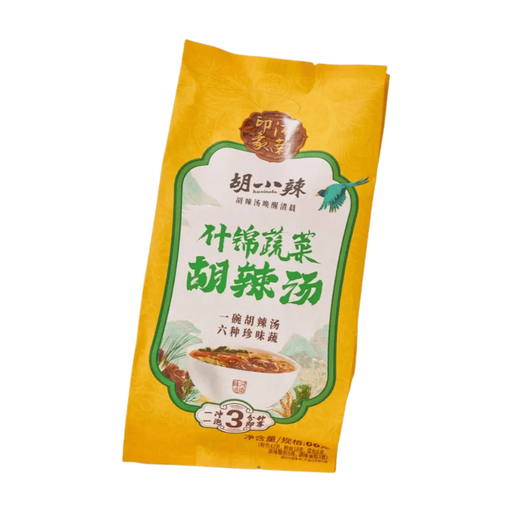 Image unavailable
If you’d like a spicy recipe for an easy extra meal, check the number of servings and how much water to add before choosing this pack. Read the ingredients list if you need to avoid soya, sesame or any other ingredients.
Check the date on each pack and whether it’s a best-before date (DDM) or a use-by date (DLC). The DGCCRF distinguishes between these two: a past best-before date does not have the same implications as a past use-by date. The condition of the packaging also matters when assessing a product stored in the cupboard.
Check the ingredients list on the pack: as the DGCCRF explains, allergens must be highlighted in the ingredients list of prepacked food sold in France. Check the exact product you’re buying rather than relying on another recipe in the same range.
No: the recipe name doesn’t tell you everything about its ingredients. Carrefour listings for some Knorr noodle or mushroom soups mention wheat, egg, milk or soya, depending on the product. Read the ingredients and allergen information on the exact pack you plan to buy.