If you’re serving several people, choose a format based on the number of bowls it makes and the preparation facilities available on site. If the soup is meant to accompany a meal rather than simply serve as a hot drink, check the recipe ingredients, then check the allergens and salt content of the product you choose.
Who is this guide for?
Organisers of group meals
You need to make sure there are enough bowls for everyone without relying on lots of small packs. The yield shown on the packet, the amount of water required and access to a heat source all matter just as much as the recipe you choose.
Festival-goers looking for a soup to serve with a meal
You’d like to compare recipes that include ingredients such as pasta, vegetables or pulses. However, the presence of these ingredients alone doesn’t tell you how large a portion is or what the nutritional values will be once the soup is prepared.
People keeping an eye on allergens and salt
You’ll need to check the label for each product, as ingredients and allergens vary between recipes. To compare salt content, use values based on the same measure and take the amount being served into account.
What should you check?
When serving soup at a festival, first check how many bowls you can make with the water and equipment available. Then compare the recipes and their labels based on the needs of the people you’re serving.
| Criteria |
What to check |
Who it matters to |
| Number of bowls |
Compare the stated number of portions with the amount of water needed to prepare the whole pack. |
I need to serve a whole group and work out how many packets to buy, rather than judging by pack size alone. Among shoppers who choose based on their main need, around 42% would prioritise the number of portions. |
| Recipe ingredients |
Look for pasta, vegetables or pulses in the ingredients list, then check the stated portion size. |
If soup is part of the meal, I want to know what’s in each bowl rather than choosing based on the recipe name alone. Around 33% of shoppers would prioritise the ingredients. |
| Allergens and salt |
Read the allergen and may-contain information on the packaging. Compare salt content on the same basis, per 100 g or 100 ml as stated on the label. |
Before serving the soup, I need to check that it’s suitable for anyone with allergies and be able to compare its salt content. This would be the main priority for around 25% of shoppers. |
Mistakes to avoid
-
Packing sachets without planning how to prepare them
Instructions vary by recipe. Carrefour says that four bowls of KNORR Watercress Soup require 1 L of water and five minutes of cooking, while its MAGGI Harira listing states a preparation time of seven minutes.
Before deciding how much to buy, check the water volume, equipment needed and preparation time on each pack.
Access to water and a heat source, along with cooking time, can all affect how you organise serving.
-
Assuming a vegetable soup is allergen-free
The KNORR Watercress Soup sold by Carrefour contains milk and warns of other possible allergens. A recipe name, even if it’s described as vegetarian, doesn’t tell you everything about its allergens.
Read the ingredients list and may-contain information for the product you buy. The DGCCRF states that allergenic ingredients must be highlighted on the labels of prepacked foods.
-
Relying on the Nutri-Score alone
A displayed score is no substitute for checking the ingredients list for allergens or the ‘salt’ line in the nutrition information. Anses recommends reading food labels to understand what foods contain, including their salt content.
To compare two soups, check the salt content on the same basis and relate the figure to the portion you plan to serve.
Brands to know for these recipes
These ranges showcase different formats and types of dehydrated soup. Check the specific product, as ingredients, yield and instructions don’t automatically apply to every product from the same brand.
Carrefour / Carrefour Classic'
Carrefour’s range includes instant soups and sachets in flavours such as tomato, leek and potato, nine vegetables, minestrone and chicken soup.
- A choice of recipes and pack formats makes it easier to find an option that serves the right number of people.
- Check the yield and allergens on the product you choose; you can’t assume these are the same across the range.
Régal Soupe / Marque Repère E.Leclerc
E.Leclerc offers soups in sachets, including chicken soup, minestrone, Chinese soup, cream of mushroom and blended vegetable soup.
- The 104 g Minestrone listing describes a recipe with vegetables and pasta, which is useful if these ingredients influence your choice.
- Check the instructions and label on the sachet you choose rather than applying those for another recipe in the range.
MAGGI
The 90 g MAGGI dehydrated Harira sold by Carrefour includes vermicelli, lentils, tomato and chickpeas.
- Carrefour states that this Harira takes seven minutes to prepare.
- This product contains wheat; check the packaging for other allergen information too.
KNORR
KNORR recipes sold by Carrefour include smooth soups, noodle soups and vegetable soups.
- According to Carrefour, KNORR Watercress Soup makes four bowls with 1 L of water and five minutes of cooking.
- This recipe contains milk and warns of other possible allergens; its characteristics don’t apply to every KNORR product.
Royco
Royco offers several ranges of instant soups, including Classique, Exotique, Crémeux and Vermicelles.
- Royco says its recipes are ready in two minutes; check the instructions for the specific sachet you’re considering.
- Check the ingredients and allergens for each recipe rather than assuming what they are from the range name.
Soups to explore on Joybuy
These dehydrated soups include noodle and vegetable recipes, with formats worth considering for serving at a festival. Compare their yield and preparation method before working out how much you’ll need for the group.
 Image unavailable
Knorr Thai noodle and mushroom soup, 2 Assorted, 69 g, 0.70 L
Worth considering if you’re looking for a noodle and mushroom soup; the product name states 69 g and 0.70 L. Make sure you have a heat source, and check exactly what the ‘2 Assorted’ variant contains before planning to serve it. The listing flags several allergens, including gluten, eggs, soya, mustard and milk. Check the packaging of the product you buy.
View on Joybuy
 Image unavailable
ROYCO, noodle, carrot and mushroom soup, 3 x 20cl
This pack is stated to make around three 20cl portions, which can help you work out how many sachets you need. Make sure you have hot water and read the preparation instructions on the packaging. The listing flags gluten, celery and milk among the allergens in this recipe.
View on Joybuy
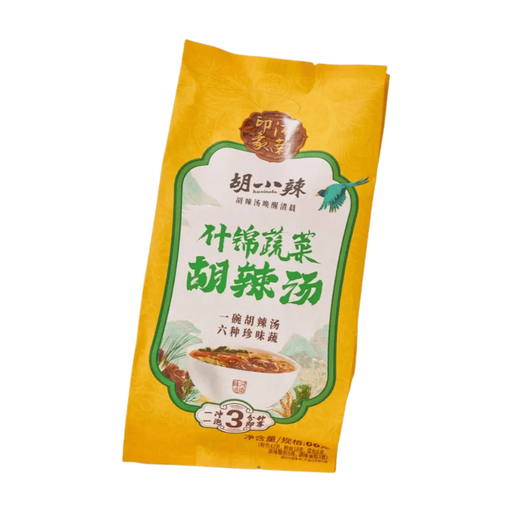 Image unavailable
Haoxiangni, spicy mixed vegetable soup, 66g
Consider this if you prefer a spicy recipe and can get boiling water on site. Check the number of portions stated on the packaging before working out how much you’ll need for a group. The listing flags gluten, soya and sesame among the allergens.
View on Joybuy
 Image unavailable
Maggi Chorba, 85 gr
This soup sachet is worth considering if you’re looking for a Chorba to serve. You’ll need a saucepan and a heat source. Check the yield on the packaging, as the preparation and portion information in the listing is based on different volumes of water. The listing flags gluten and celery among the allergens.
View on Joybuy
Frequently asked questions
Can you serve dehydrated soup at a festival?
Yes, as long as you have the water, equipment and time needed to prepare it on site. For example, Carrefour says that KNORR Watercress Soup needs 1 L of water and five minutes of cooking to make four bowls. Check the instructions for the specific recipe you choose.
What should you look for on the label of prepacked soup?
Start with the ingredients list, allergens, quantity and preparation instructions. The DGCCRF states that allergenic ingredients must be highlighted and that nutrition information is given per 100 g or 100 ml. Use the same basis when comparing two products.
Is the Nutri-Score enough to compare salt or identify allergens?
No. Check the allergens and may-contain information on each soup’s packaging, then look at the ‘salt’ line in the nutrition information. To compare salt content, use values based on the same measure and take the amount being served into account. Anses recommends reading food labels to understand what foods contain.


