Care home teams planning supplementary meals
You need soups that are easy to prepare and can supplement menus, with portions and yields suited to the service you have planned.


To build up a back-up stock for a care home, choose a soup whose ingredients, allergens, yield and texture after preparation can be checked against the intended service. Individually portioned sachets are suitable for preparing soup as needed; a tin or sachet designed to serve several people requires careful control of dilution and portion numbers. In either case, the soup should fit into the menu and meet each resident’s individual requirements.
You need soups that are easy to prepare and can supplement menus, with portions and yields suited to the service you have planned.
You check the ingredients, allergens and nutritional information for each product before adding it to a group or individual menu.
You need to compare the texture as served with each resident’s individual requirements. The Ministry of Health’s guidance on catering in care settings highlights the importance of identifying swallowing difficulties and providing appropriate support.
Before ordering several units, first check where the soup fits into your menus and whether it meets individual requirements. The format is only useful if its yield and preparation method also suit the way your service is organised.
| Criteria | What to check | Relevant to |
|---|---|---|
| Place in the menu | Nutritional values per prepared portion and the soup’s role in the complete meal. | If the soup is part of a meal for a resident whose nutritional intake is being monitored, I want to know the actual portion served before adding it to the menu. Around 36% of consumers would put nutritional suitability first. |
| Texture and allergens | Texture after preparation, solid pieces and the allergen list for each recipe. | When a particular texture or food exclusion applies, I need to be able to check the recipe before serving. Around 29% of consumers would make this their priority. |
| Portions and preparation | Number of portions prepared and dilution instructions for the specific pack. | To prepare only the portions needed, I look for a format the team can measure out and serve without creating lots of leftovers. Around 21% of consumers would prioritise this approach to meal service. |
| Variety and storage | Recipes that fit the menus, best-before date and stated storage conditions. | If the stock is only used occasionally, I prefer to be able to vary the recipes without tying up too many units of the same soup. Around 14% of consumers would put cupboard stock rotation first. |
The fact that a soup is dehydrated does not, in itself, tell you whether a meal provides a resident with the nutrients they need. The French National Health Insurance Fund notes that a diet lacking sufficient energy, protein and nutrients can lead to malnutrition.
Assess the soup as part of the complete menu and ask the relevant care home professionals to approve any adaptations needed.
Solid pieces and the consistency after reconstitution may not meet the requirements of a resident with swallowing difficulties.
Assess the soup as it will be served and follow individual requirements and care home protocols for any modified texture.
Soups with similar names or formats can have different ingredients and allergens. The MAGGI and ROYCO soup product information listed by Carrefour shows why you need to check the exact product.
Keep the information for each product, check for recipe changes and compare its allergen list with any applicable food exclusions before serving.
The pack weight alone does not tell you how many portions it makes or how much you need to prepare for a meal.
Compare the stated yield, preparation instructions and best-before date before building up your stock.
A poorly suited pack can also make it harder to rotate recipes or leave prepared portions unused.
These range examples can help you identify formats and recipes to assess. The right choice for a care home menu always depends on the specific product and the requirements that apply to residents.
The MAGGI Harira soup listed by Carrefour comes in a 90 g retail tin, worth considering if planned preparation suits your service.
The chicken, noodle and carrot product listed by Carrefour comes in three sachets, each making 20 cl of prepared soup.
The range of dehydrated soups listed by Carrefour lets you compare retail recipes and pack formats, including tins and sachets.
These products illustrate two ways to build up a back-up stock: individual units to prepare separately, and soup sachets designed for a planned service. Before adding any product to the menu, check the prepared portion, allergens and texture against each resident’s requirements.
 Image unavailable
The pack of three portions may suit preparation as needed.
Check the allergens in this recipe and whether the texture of the noodles after preparation meets individual requirements.
 Image unavailable
The eight individual units could be prepared separately rather than in a shared container.
Before adding it to the menu, check the nutritional information per prepared portion, allergens and texture after reconstitution.
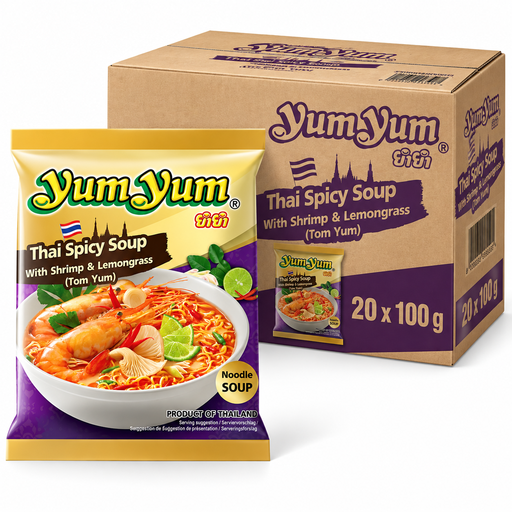 Image unavailable
This pack of individual units could be considered for back-up stock, provided the recipe is suitable for the intended menu.
Check the preparation instructions, yield, allergens and noodle texture before planning the service.
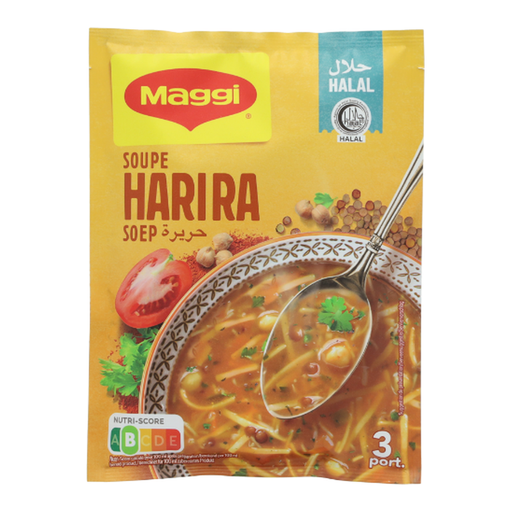 Image unavailable
This soup sachet, which is prepared before serving, may be worth considering for a planned service.
Check the product instructions to confirm the yield and portion size, then check the allergens and texture after preparation.
 Image unavailable
This soup sachet may be suitable when the team can organise preparation before serving.
Check the dilution and number of portions, as well as the allergens and final texture against individual requirements.
Its convenience does not make it a suitable replacement for a resident’s planned meal. The French National Health Insurance Fund notes that a diet lacking sufficient energy, protein and nutrients can lead to malnutrition. The soup’s place should therefore be assessed as part of the complete menu, with appropriate monitoring if a nutritional risk has been identified.
Before serving, compare the soup’s texture after preparation with the resident’s individual requirements. Noodles, croutons or pieces can affect the consistency of the dish. The Ministry of Health highlights the importance of identifying swallowing difficulties and adapting support at mealtimes.
Check the allergen information for each product and whenever a recipe changes, then compare it with any food exclusions that apply to residents. The MAGGI and ROYCO product information listed by Carrefour shows that dehydrated soups in similar formats can list different ingredients and traces.
Choose based on the number of portions you need to serve and how the team prepares meals. Individual units are suited to preparing soup as needed, while a sachet designed to make several portions requires you to check the dilution and yield. In either case, check the best-before date and make sure each recipe is suitable for the planned menus.