What should you check?
First decide how many bowls you’ll prepare at once. Then check the texture required for each resident and the label for the recipe you’ve chosen.
Individual sachets
Choose these: when preparing one or a few bowls separately, with one sachet to count for each preparation.
Keep in mind: ‘4 × 20 cl’ refers to a stated volume, while ‘4 × 20 g’ gives the weight of the powder. Follow the reconstitution instructions for each product.
Multi-portion sachet
Choose this: when preparing several bowls of the same recipe for a group service. Depending on the product, Knorr lists preparations for one to four portions.
Keep in mind: divide the prepared volume between the bowls and check that the recipe is suitable for each resident being served.
| Criterion | What to check | Consumers concerned |
|---|
| Portioning |
Count the sachets and compare the reconstituted volume or the number of portions stated in the instructions. |
When I’m preparing only a few bowls at a time, I want to know how much soup I’ll get without opening a large sachet. Around 42% of consumers would put this need first. |
| Texture of the prepared soup |
Compare the texture specified for the resident with the recipe and the prepared result, particularly if it contains noodles, vermicelli or croutons. |
If a resident has chewing or swallowing difficulties, I need to serve a texture that follows the care team’s guidance. Around 33% of consumers would prioritise this issue. |
| Ingredients and nutrition |
Read the ingredients, allergens and nutritional values on a like-for-like basis, then check the resident’s dietary requirements. |
To meet individual dietary restrictions, I need to check the exact recipe rather than just its brand. Around 25% of consumers would make this their priority. |
Portioned soups on Joybuy
These products come in sachets or packs that can be counted separately: a Royco dehydrated soup, instant noodle soups and an instant miso soup. For a care home meal, consider how each product is prepared and what it contains before deciding whether it meets an individual resident’s needs.
 Image unavailable
Royco dehydrated noodle soup with carrot and mushroom, 3 × 20 cl
For preparing separate bowls when this noodle recipe meets the resident’s requirements.
The pack states that it makes three 20 cl portions. If a modified texture is required, have the prepared soup checked. Also check the recipe’s ingredients and allergens.
View on Joybuy
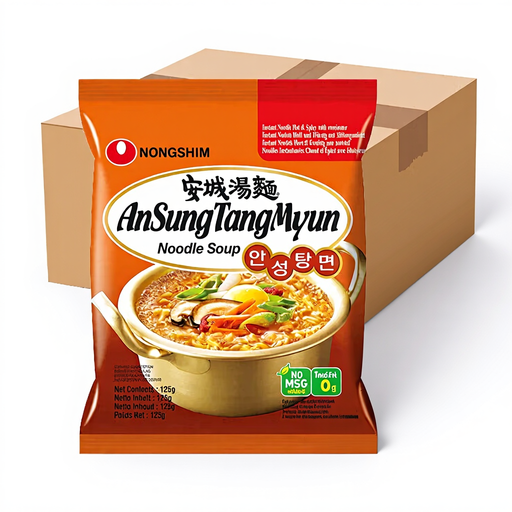 Image unavailable
Nongshim Ancheng instant noodle soup, 20 × 125 g
Worth considering when separate packs of noodle soup suit the planned service better than a dehydrated velouté that needs reconstituting.
The pack contains 20 units of 125 g. Check the cooking instructions, salt content and allergens on the exact packaging. Noodles need a texture check for any resident who requires one.
View on Joybuy
 Image unavailable
Hikari Enjuku instant miso soup with tofu, 8 units
For preparing separate portions if miso soup with tofu is the recipe you’re looking for.
The pack contains eight units. Check the texture after preparation and compare nutritional values on a basis that matches the bowl served, taking ingredients and allergens into account.
View on Joybuy
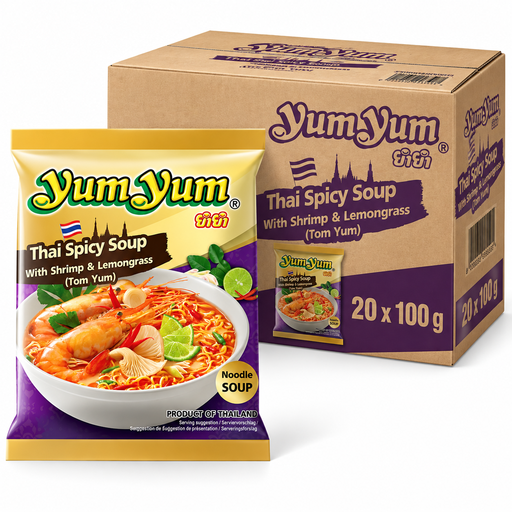 Image unavailable
Yum Yum Tom Yum noodle soup with shrimp, coconut and lemongrass, 20 × 100 g
For keeping separate packs of noodle soup on hand when this recipe is suitable for the meals planned.
The pack contains 20 × 100 g sachets. Check the instructions for the amount of water needed and the volume each sachet makes. Check the allergens and texture after preparation.
View on Joybuy
Frequently asked questions
Does a box of ‘individual’ soup always contain just one portion?
No. A box may contain several sachets for separate preparation. Auchan, for example, lists Royco products in boxes of four sachets, each stated to make 20 cl, while Carrefour lists a Carrefour Classic' product in four 20 g sachets. Check whether the stated amount refers to the prepared volume or the weight of the powder.
Is ‘velvety’ soup automatically suitable for a resident who has difficulty swallowing?
No. The recipe name doesn’t confirm the texture of the prepared soup. For a resident who has difficulty swallowing, follow the texture guidance agreed with the care team and doctor, then check for pieces, noodles or croutons.
What should you read on the label before choosing a soup?
Read the ingredients list, highlighted allergens and nutritional information for the exact recipe. To compare two products, use the same basis—for example, values per 100 ml of reconstituted soup where given—then relate them to the planned portion.
Does salt matter if the soup is only a starter?
Yes. You should still check the salt content of the portion served, especially if the resident has individual dietary requirements. Compare recipes on the same basis and make sure your choice fits the plan for that resident. Don’t assume there’s a general rule based only on soup’s place in the meal.
Can dehydrated soup replace care for malnutrition?
No. Choosing a soup doesn’t replace nutritional assessment or care. The French National Authority for Health (Haute Autorité de Santé) states that a diagnosis of malnutrition in people aged 70 and over combines a phenotypic criterion with an aetiological criterion. The meal should form part of the decisions made by the professionals supporting the resident.


