For budget-friendly shopping, a family-size sachet is a good choice if you’re making several bowls of the same soup. Individual sachets help you avoid making more than you need when you’re eating alone. Own-brand soup is another option to consider, but the format alone won’t tell you which is best: compare the number of portions, then check the ingredients, allergens and salt content of the recipe you choose.
Which format is right for you?
Households making several bowls
If several people are having the same soup, check how many portions each sachet makes rather than looking at its weight alone. Auchan’s product listings for Maggi Onion and Tomato Vermicelli soups both state that they make four portions.
If you want to avoid leftovers
An individual sachet lets you make one bowl at a time. The Royco multipacks listed by Carrefour and Auchan include packs of three or four sachets, depending on the recipe.
If you pay attention to ingredients
The specific recipe matters more than the format name: check the ingredients, allergens and the ‘salt’ line in the nutritional information. Manger Bouger lists soups among the products that can contribute to your salt intake.
What should you look for?
First, work out how many bowls you’ll be making at a time. Then compare the yield of formats that suit your needs, while keeping an eye on the ingredients too.
| What to consider |
What to check |
Who is it for? |
| Sachet yield |
The net weight and the number of portions or volume of soup it makes. |
If I’m planning several meals with my shopping, I want to know how many bowls the pack makes. Around 42% of consumers prioritise yield. |
| Portions and leftovers |
The number of individual sachets and the stated volume for each, or the number of portions in a family-size sachet. |
When I’m making soup for one, I prefer to make a single bowl without opening a family-size pack. Portion control comes first for around 33% of consumers. |
| Ingredients |
The ingredients list, allergens and salt content per prepared portion. |
Before choosing a recipe, I need to make sure its ingredients suit me and compare the salt content listed for the portion I’ll serve. This is the main concern for around 25% of consumers. |
Mistakes to avoid
-
Judging by sachet weight alone
Sachets of different weights don’t necessarily make the same number of bowls. The amount of water and the stated portions also vary by recipe.
Check the yield shown on each pack and choose a format whose portions you’ll use.
-
Assuming vegetable soup is suitable for every dietary restriction
Vegetable soup can also contain wheat vermicelli or other ingredients you may need to check. Joybuy’s listing for Royco Carrot and Mushroom Noodle Soup, for example, mentions gluten, celery and milk.
If you have an allergy or are avoiding certain ingredients, check the ingredients list and allergen information for the recipe and pack you’re buying.
-
Assuming soup is low in salt
Manger Bouger lists soups among the products that can contribute to your salt intake. The amount stated varies by recipe and portion size.
Read the ‘salt’ line in the nutritional information and check whether it refers to the prepared soup or the dry product.
-
Confusing the best-before date with the use-by date in your cupboard
A best-before date, shown as ‘best before’, doesn’t mean the same as a use-by date. According to the DGCCRF, a product past its best-before date may, for example, lose some of its flavour qualities; it’s also important to make sure the packaging is intact.
Follow the storage instructions and check the date and condition of the pack before use.
Dehydrated soup brands to know
Maggi
Auchan’s product listings for Maggi Onion and Tomato Vermicelli soups describe family-size sachets that make four portions and need to be cooked.
- The stated number of portions helps you plan a meal for several people.
- Cooking instructions and ingredients vary by product, so check the recipe and its allergens.
Royco
Royco offers soups in individual sachets, among other formats. Carrefour and Auchan list multipacks of three or four sachets, depending on the product.
- The individual sachets let you make one bowl without using the whole pack.
- Check the ingredients for each recipe: Joybuy’s listing for Carrot and Mushroom Noodle Soup mentions gluten, celery, milk and chicken.
Carrefour / Carrefour Classic’
Carrefour’s range includes dehydrated soups under both brands, including a Carrefour Classic’ 9 Vegetable soup.
- These products give you other recipes and formats to consider when choosing what to buy.
- Check the weight, yield and ingredients of each soup rather than making assumptions about the whole brand.
RégAL SOUPE / ECO+
E.Leclerc lists, among other products, a 104 g RégAL SOUPE Minestrone soup and a 66 g ECO+ Tomato Vermicelli soup.
- The stated weight helps you tell these two sachets apart before checking their portions.
- E.Leclerc’s listing for ECO+ Tomato Vermicelli soup mentions wheat vermicelli. Check the ingredients if you need to avoid wheat.
Soups to explore on Joybuy
These products include sachets that make several portions and soups that can be measured out bowl by bowl. Start by choosing the format that suits your needs, then check the ingredients and preparation instructions for the product you select.
 Image unavailable
Royco noodle, carrot and mushroom soup, 3 × 20 cl
The three sachets are handy if you want to make one bowl at a time.
Joybuy’s listing for this product mentions gluten, celery, milk and chicken. If these ingredients matter to you, check the information on the packaging before buying.
View on Joybuy
 Image unavailable
Knorr Thai noodle and mushroom soup, 2 Assorted, 69 g, 0,70 L
This sachet may be worth considering if you’re making more than one bowl. Check the portions and amount of water required on the packaging.
The product name states 69 g and 0,70 L. Check the ingredients list and allergen information before choosing it.
View on Joybuy
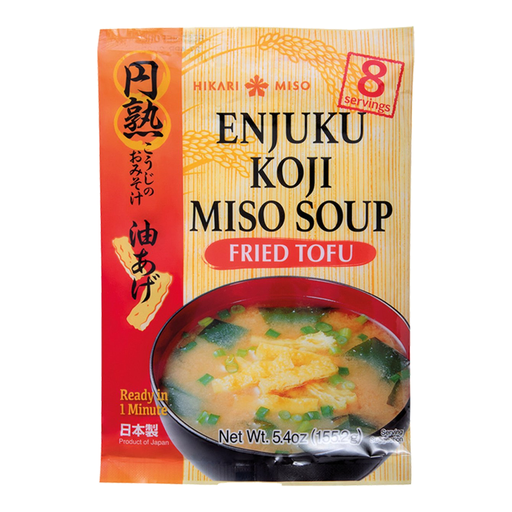 Image unavailable
Hikari Miso Enjuku Miso Soup Aburaage, 155,2 g
If you’re making soup occasionally, check the pack to see how many portions it makes and how much you’ll need per bowl.
Ingredients may vary by version, so check the ingredients and allergens for the one you receive.
View on Joybuy
 Image unavailable
Maggi Harira Soep, 90 g
Consider this dry sachet if you’re planning to cook soup in a pan. Check how many bowls the recipe makes.
The amount of water stated for preparation differs from the amount used for the portion in the nutritional information. Make sure you distinguish between them when working out the sachet’s yield.
View on Joybuy
 Image unavailable
Maggi Chorba Soep, 85 g
This sachet is suited to a planned pan-cooked meal, as long as you check how many portions you want before choosing it.
The pack states 85 g. Check how many bowls it makes, as well as the ingredients and allergens in the recipe.
View on Joybuy
Frequently asked questions
Family-size sachet or individual portions: how should I choose?
Choose according to how many bowls you’ll be making at once: a family-size sachet makes several portions of the same recipe, while individual sachets let you make one at a time. Check the portions and volume stated on each pack instead of relying on the weight of the powder alone.
Can dehydrated vegetable soup contain allergens?
Yes, depending on the recipe. Joybuy’s listing for Royco Carrot and Mushroom Noodle Soup mentions gluten, celery and milk, among other ingredients. Always check the allergen information for the specific product you’re buying.
Should I add salt to the cooking water?
Follow the instructions for your chosen soup rather than adding salt automatically. Auchan’s product listings for Maggi Onion and Tomato Vermicelli soups say there’s no need to add salt. The ‘salt’ line in the nutritional information helps you see the stated amount per portion.
Can you use dry soup after its best-before date?
A product isn’t automatically unsafe to eat just because its best-before date has passed. The DGCCRF explains that it may still be consumed after this date if the packaging is intact, although some of its flavour qualities may have declined. Check the storage instructions too, and don’t confuse a best-before date with a use-by date.


