If condensation keeps returning, first measure the humidity and check the ventilation, airflow and any signs of water ingress. A dehumidifier can help if the humidity in the air remains uncomfortable, but it won’t fix a leak or a problem with the building itself. If you decide to buy one, consider the room, noise level, humidity controls, water drainage and maintenance.
Who is this option for?
Anyone looking for the cause of damp
Condensation, odours or damp patches don’t necessarily mean condensation is the only cause. Before buying an appliance, work out whether the issue is humidity in the air, poor ventilation or water getting into your home.
Anyone using an occupied room
If high humidity has been confirmed in a bedroom, home office or living room, the room size, noise level and humidity controls matter just as much as the stated capacity when choosing a model.
Anyone planning to use it regularly
If you expect to use the appliance often, particularly when drying laundry, check how to empty the tank or connect a drain hose, access the filter and follow the model’s installation instructions.
What should you check before buying?
There are two steps: find out what’s causing the damp, then consider the room’s requirements if a dehumidifier still seems useful. Association QUALITEL describes condensation as warm, humid air meeting a cold surface; water can also come from other sources.
Hygrometer
When to choose one: if you need to measure relative humidity before deciding whether an appliance to remove moisture would be useful.
Keep in mind: it measures humidity, but doesn’t remove water from the air or identify the cause of the problem on its own.
Airflow and ventilation
When to check them: as a priority if condensation keeps returning, especially after showering, cooking or drying laundry. ADEME recommends keeping your mechanical ventilation system running and not blocking air inlets or vents.
Keep in mind: improving air circulation won’t fix a leak or water ingress.
Dehumidifier
When to consider one: if humidity in a room has been confirmed and remains uncomfortable, alongside suitable ventilation.
Keep in mind: you’ll need to empty the collected water and maintain the filter; the appliance won’t address the cause of water ingress.
| Concern |
What to check |
Who this matters to |
| Cause of the damp |
Measure relative humidity with a hygrometer, check the ventilation and look for any localised signs of water ingress. Association QUALITEL generally puts the recommended relative humidity between 40 % and 60 %. |
If condensation keeps returning without an obvious cause, I want to know whether to address the indoor air or have the property checked before buying anything; around 40 % of consumers would make identifying the cause a priority. |
| Use in the room |
Compare the stated room coverage for each model, the noise level in the mode you plan to use and the conditions under which its capacity in L/24 h is measured. |
In an occupied bedroom or home office, I want to reduce confirmed humidity without choosing an appliance whose noise would make the room less comfortable to use; this would be a priority for around 30 % of consumers. |
| Emptying and maintenance |
Check the tank capacity, whether continuous drainage can actually be connected and the instructions for cleaning the filter. |
If I’m using it often or while drying laundry, I want to manage the collected water and maintain the appliance without too much hassle; around 30 % of consumers would prioritise this for everyday use. |
Mistakes to avoid
-
Using the appliance to mask water ingress
Reducing humidity in the air won’t stop water getting into the building. Association QUALITEL distinguishes condensation from water ingress and insufficient ventilation, among other causes.
If localised marks persist or materials are deteriorating, have the cause investigated before relying on a dehumidifier.
An inspection of the property and repairs may still be needed if the problem originates in the building.
-
Comparing capacity in L/24 h alone
A stated capacity depends on the conditions under which it was measured. For example, De’Longhi gives the DD230P a capacity of 30 L/24 h at 30 °C and 80 % relative humidity. This figure doesn’t necessarily reflect how much moisture it will extract in a cooler room.
Check the conditions listed for each figure and compare them with the temperature and humidity of the room you want to treat.
-
Planning continuous drainage without checking the route
This feature can reduce the need to empty the tank by hand, but whether you can use it depends on the model and on having a suitable route to a drain.
Before choosing a model, check the manual for connection requirements, the hose you’ll need and access to the tank if you also plan to use it without drainage.
Without a suitable drain, you’ll still need to empty the tank regularly.
-
Overlooking the filter and where you place the appliance
The Meaco DD8L Zambezi manual states that a clogged filter can reduce moisture extraction and increase energy consumption. It also says to keep the air inlets clear. These instructions apply to this model.
Follow the instructions for your chosen appliance on placement, filter cleaning and electrical safety.
Brands to know
The features below apply to the ranges or models mentioned, not to every appliance made by each brand.
De’Longhi
The Tasciugo range includes domestic dehumidifiers with a tank or continuous drainage, depending on the model.
- De’Longhi gives the DD230P a capacity of 30 L/24 h, measured at 30 °C and 80 % relative humidity.
- A capacity measured under specific conditions can’t be applied in the same way to every room or every Tasciugo model.
Rowenta
The humidity control range includes the Extrême Dry Compact+.
- Rowenta states that this model has a 3 L tank and a 1 m hose for continuous drainage.
- Check whether the hose and its position will actually let you reach a suitable drain.
Trotec
The brand offers models for different types of rooms, including some unheated utility spaces.
- Trotec states that its TTK 75 E has a noise level of 43 dB(A).
- A model intended for a cellar or utility space won’t necessarily be suitable for an occupied bedroom.
Meaco
Meaco offers domestic dehumidifiers with instructions tailored to each model.
- The DD8L Zambezi manual includes detailed guidance on where to place the appliance and how to maintain the filter.
- The same manual advises against using the DD8L Zambezi in a bathroom. Always check the instructions for the model you’re considering.
Dehumidifiers available on Joybuy
These appliances are options to consider if you’re looking for a domestic dehumidifier to deal with confirmed humidity in the air. The room sizes and capacities in the product names are figures stated for each model. Check that they’re suitable for your room, and don’t overlook ventilation or possible water ingress.
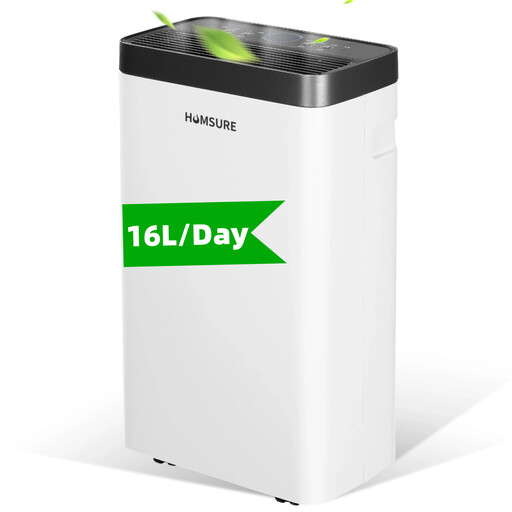 Image unavailable
HUMSURE, 16 L/jour dehumidifier, 1.4 L tank
Worth considering for a room where humidity in the air has been confirmed, with a stated coverage of 25 m².
The product name lists a capacity of 16 L/jour, a 1.4 L tank and a 24-hour timer. If you plan to use it in a bedroom, check the noise level in the mode you’ll use.
View on Joybuy
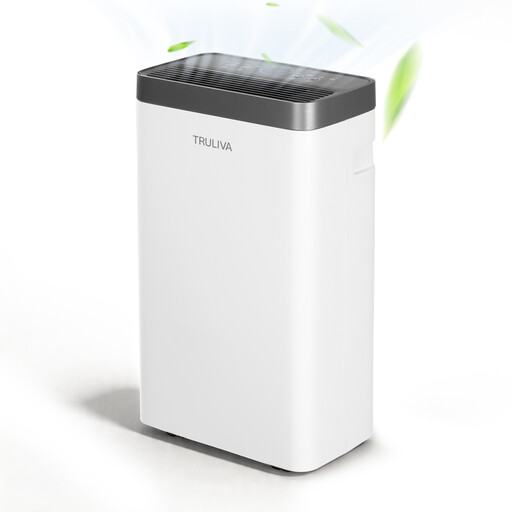 Image unavailable
TRULIVA AP10-2012EE, dehumidifier for around 32 m²
Consider this model if your room is around the stated 32 m² and continuous drainage would be useful.
The product name mentions a 24-hour timer and continuous drainage. Check that you can connect it at home and check the noise level before using it in a bedroom or home office.
View on Joybuy
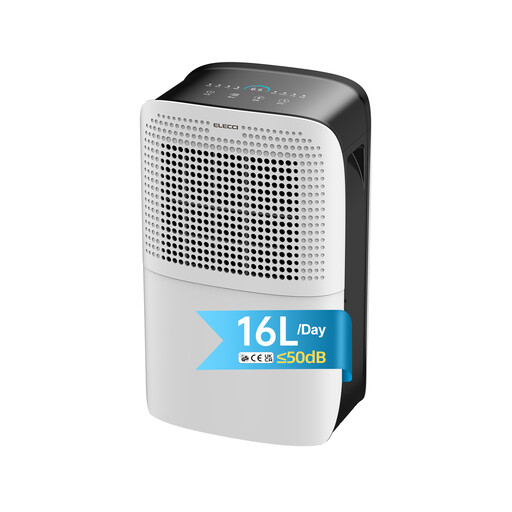 Image unavailable
ELECCI, 16 L/jour dehumidifier, 3.1 L tank
The 3.1 L tank and drain hose are worth considering if you plan to use the appliance regularly.
The product name states coverage of 32 m², a 24-hour timer and continuous drainage. Check the conditions for the stated capacity and plan the route for the water before choosing this drainage option.
View on Joybuy
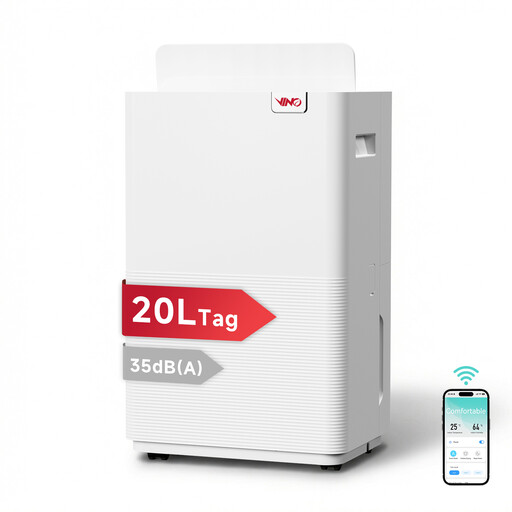 Image unavailable
VINO, 20 L/jour Wi-Fi dehumidifier, 2.5 L tank
Worth considering if you’d like Wi-Fi controls and your room is within the stated coverage of 40 m².
The product name lists a 2.5 L tank and three modes: Auto, Dry and Sleep. The noise figures for this model vary depending on how they’re presented, so check the relevant level and measurement method for your room.
View on Joybuy
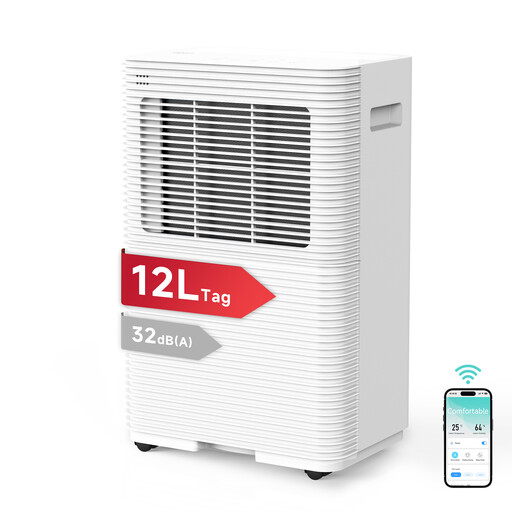 Image unavailable
VINO, 12 L/jour Wi-Fi dehumidifier, 1.8 L tank
Worth considering for a room within the stated coverage of 24 m² if Wi-Fi controls appeal to you.
The product name lists a 1.8 L tank and three modes: Auto, Dry and Sleep. In an occupied room, check the noise level for the mode you plan to use rather than relying on a single stated figure.
View on Joybuy
Frequently asked questions
How can you tell if it’s condensation before buying an appliance?
Condensation on a cold surface, such as a window, or droplets of water can indicate that the indoor air is humid. However, Association QUALITEL points out that damp can have several causes. If marks are localised, persistent or accompanied by damage, have the cause investigated rather than relying on a dehumidifier.
What humidity level should you aim for?
Association QUALITEL generally recommends a relative humidity of between 40 % and 60 % in the home. Measure it with a hygrometer and interpret the reading in context, taking account of the temperature, room, ventilation and activities that produce steam.
Should you switch off the mechanical ventilation system while the dehumidifier is running?
No. A dehumidifier doesn’t replace fresh air circulation. ADEME recommends keeping the mechanical ventilation system running and not blocking air inlets or extraction vents.
Can you put a dehumidifier in a bathroom?
It depends on the model’s instructions and where you plan to put it. The Meaco DD8L Zambezi manual specifically advises against using it in a bathroom. For any other appliance, check its manual and follow the electrical safety instructions.


