
Livraison le jour même ou le lendemain

Qualité garantie

Débloquez vos offres de bienvenue: Livraison GRATUITE | Jusqu'à -80 % | 30 jours d'essai gratuits à JoyPlus
Téléchargez l'application
Caked-on grease on the hob, charred residue at the bottom of the oven, dishes that still feel greasy after washing... these are all-too-familiar kitchen struggles. Faced with shelves full of promises, choosing an effective degreaser can feel like an uphill battle. Many products boast universal power but leave you disappointed and with a collection of useless bottles under the sink.
As a Product Recommendation Manager at Joybuy, I'm here to guide you. You won't find any marketing jargon here—just the facts. Let's break down the common pitfalls and identify the key criteria for choosing a product that actually delivers on its promises.
To ensure you make the right choice, focus on two essential points that make all the difference in the real-world effectiveness of a powerful degreasing product.
A product's ability to dissolve grease depends on its key ingredients. Understanding their roles ensures you choose the right tool for every cleaning battle:
The packaging isn't just a matter of convenience; it plays a key role in the product's effectiveness.
Instead of an endless list, here are targeted options, each meeting a specific need and avoiding the pitfalls we've just discussed.
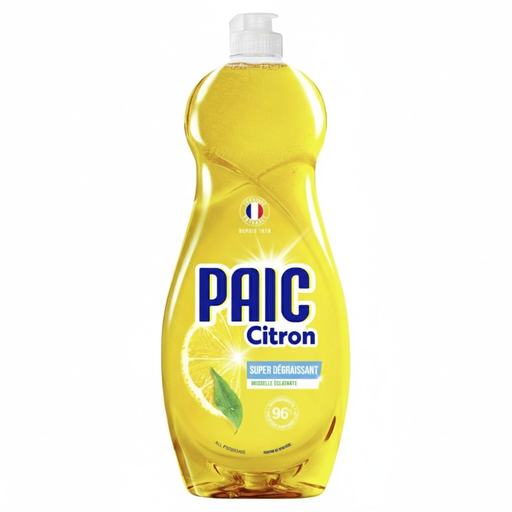
Why we recommend it: It's the reliable choice for washing dishes by hand. A simple formula, a trusted brand, and an effectiveness that gets straight to the point: degreasing everyday dishes without breaking the bank.
This product doesn't promise to clean everything. It excels at its primary mission: being a formidable degreasing washing-up liquid, not a poor substitute for a multi-surface cleaner.
Its concentrated formula provides a rich lather and remains effective even in cold water, helping you save on energy and product.
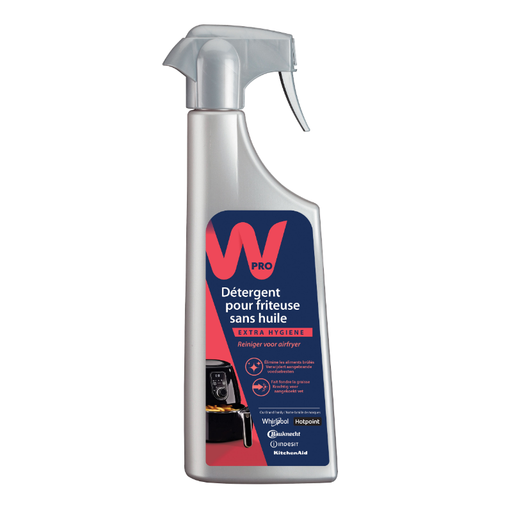
Why we recommend it: Air fryers are fantastic, but cleaning them can be a real headache. This spray was specifically formulated to dissolve baked-on grease and stubborn residue in the basket and pan of these appliances.
It's an ultra-specialist. Gone is the vague "multi-surface" promise, replaced by a targeted solution for a specific problem. It delivers effectiveness where general-purpose cleaners throw in the towel.
Its formula works on both hot and cold surfaces, offering great flexibility. The icing on the cake is that it's recommended by home appliance giants like Whirlpool and Indesit.
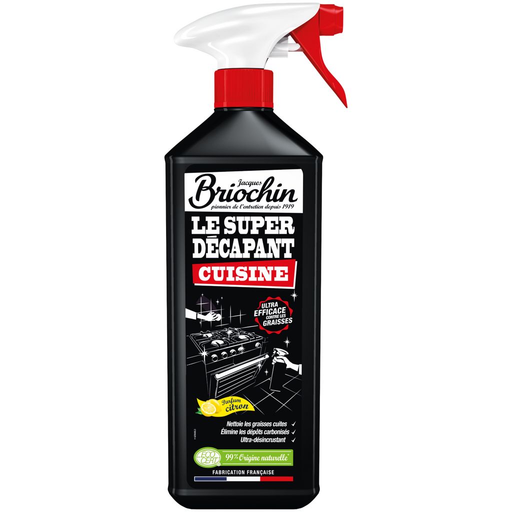
Why we recommend it: For anyone who demands a natural degreaser without sacrificing performance. It's perfect for deep cleaning ovens, hobs, extractor hoods, and barbecue grills, all with a more planet-friendly formula.
It shatters the "natural = ineffective" stereotype. With 99.5% ingredients of natural origin and the ECOCERT label, it proves that a green formula can be tough on baked-on and carbonised grease.
Its "ultra-powerful" foam clings to surfaces for a deep clean without frantic scrubbing. Effective on the toughest grease, it's also made in France.
Discover our full selection of products that meet our rigorous selection criteria and current standards.
Absolutely not! Oven degreasers are powerful stripping agents. Their highly corrosive alkaline agents can permanently damage, scratch, or discolour the delicate surface of an induction or ceramic hob. You must use a product specifically designed for these surfaces, which cleans without being abrasive. A good habit to develop: always read the label to check for approved uses and contraindications.
Effectiveness doesn't depend on the origin of the ingredients, but on the quality of the formula. A good natural degreaser, concentrated with proven active ingredients (black soap, bicarbonate of soda, plant-based surfactants, etc.), will be formidable against most everyday grease. When faced with very old, carbonised residue, a heavy-duty chemical formula may sometimes have the edge. However, for regular, even intensive use, certified eco-friendly alternatives are now more than up to the task.
A degreasing washing-up liquid is a concentrated product designed to be diluted in water. Its formula is intended for soaking and is food-safe (after a thorough rinse). A kitchen degreaser spray, on the other hand, is a ready-to-use product. You spray it directly onto surfaces like countertops, extractor hoods, or backsplashes. Its formula is designed to act quickly, cling to surfaces, and often doesn't require rinsing (unless the surface comes into direct contact with food).