
Livraison le jour même ou le lendemain

Qualité garantie

Débloquez vos offres de bienvenue: Livraison GRATUITE | Jusqu'à -80 % | 30 jours d'essai gratuits à JoyPlus
Téléchargez l'application
A decorative vase can sometimes be all it takes to transform a console table, dining table, or shelf. However, product photos do not always make it easy to choose well. An opening that is too narrow, a base that is too lightweight, or a material that is difficult to maintain can quickly make a floral arrangement impractical for everyday use.
Whether you are looking for a glass vase, a ceramic vase, a modern model, or a bohemian piece for your pampas grass, a few simple checks can help you avoid unpleasant surprises.
A modern vase may look exceptionally elegant in a photo, but its proportions need to suit the space where you plan to place it. A 30 cm-high model cannot be positioned in the same way as a small 9.5 cm vase. On a coffee table, a tall vase may obstruct the view; on a console table, it can instead become an attractive focal point.
Always check the height, overall diameter, and opening diameter. These measurements directly affect the vase’s stability and the types of flowers it can hold.
Transparent glass highlights the stems and water level, but it also makes limescale marks more visible. Ceramic conceals the interior more effectively and pairs easily with Nordic, rustic, or farmhouse décor. However, a textured or matte finish may require a little more care when cleaning.
If you plan to display fresh flowers, make sure the product listing clearly states that the vase is suitable for holding water. For dried flowers, artificial flowers, or pampas grass, this factor is far less decisive.
A narrow vase filled with long stems can tip over if its base is too lightweight. According to their descriptions, the models featured here have reinforced bases, but their maximum load is not specified. It is therefore best to avoid very heavy arrangements and place the vase on a level surface, out of reach of children and pets.
For wedding décor or a frequently used table, choose an arrangement that is proportionate to the container and avoid overfilling the opening.
For a balanced arrangement, stems can generally extend above the vase, provided their length remains proportionate to the width of the base. A cylindrical vase measuring 30 cm high and 10 cm in diameter is suitable for roses, tulips, orchids, branches, or tall pampas grass. It will fit naturally in a living room or entryway.
A model measuring 20 cm high and 8.5 cm in diameter is better suited to a table, bedroom, or the centre of a dining table. Small round vases under 10 cm can hold a single rose, a few eucalyptus stems, or a small arrangement of artificial flowers.
A narrow opening holds a few stems more securely and is especially well suited to minimalist arrangements. A wider opening allows you to combine several branches, voluminous artificial flowers, or a bouquet of foliage.
For a vase for dried flowers or a vase for pampas grass, pay close attention to the neck width and the weight of the stems. Models with flexible stems, such as certain artificial bougainvillea stems, can be gently curved to fill the container more effectively.
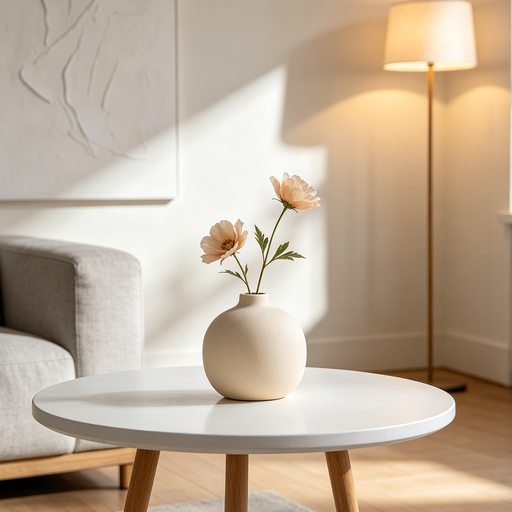
Why this model works: its compact size fits neatly on a coffee table, bedside table, shelf, or desk without taking up much space.
The listed dimensions let you visualise its exact footprint before buying, rather than relying on a product photo alone.
Ceramic construction, a rounded silhouette, and a narrow neck make it well suited to a single rose, a few small pampas stems, or a petite artificial-flower arrangement.
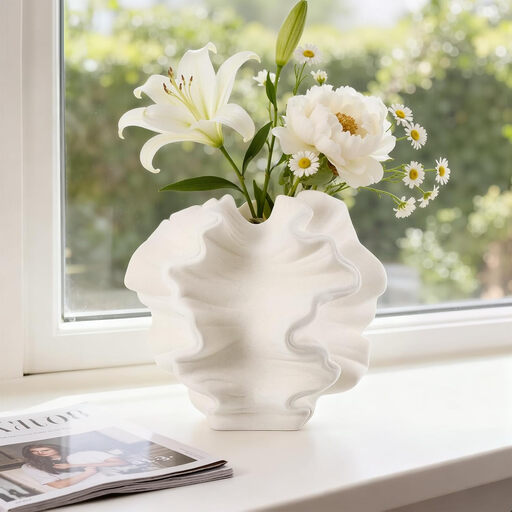
Why this model works: its sculptural silhouette and matte surface add a graphic touch to a living room, console table, or office.
The listing specifies the material, height, and matte beige finish, making it easier to compare the expected look with your interior style.
It can hold dried reeds, eucalyptus, decorative grasses, or simply be displayed on its own as a decorative accent.
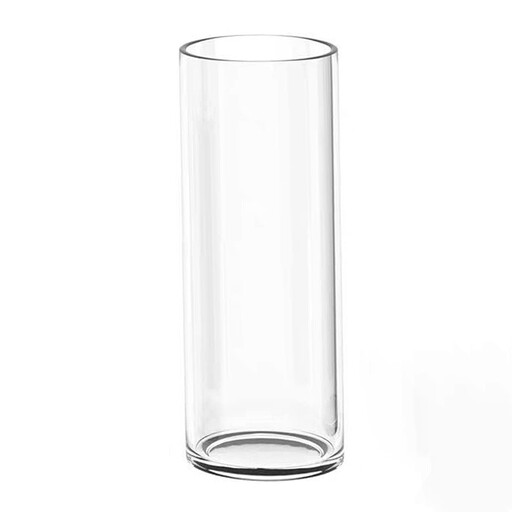
Why this model works: its vertical design complements orchids, roses, tulips, pampas grass, and decorative branches in a living room or entryway.
The height and diameter are listed separately. It is essential to place the vase on a stable surface and avoid overloading it.
Transparent glass, a polished surface, and a reinforced base stated in the description; it can be cleaned with a soft cloth and mild soap.
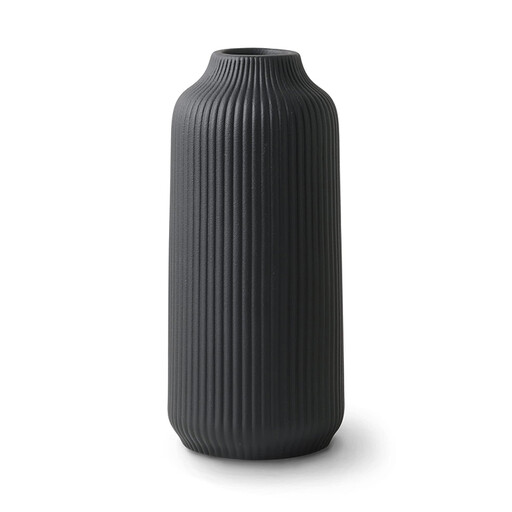
Why this model works: its textured surface and black finish work equally well in bohemian, contemporary, or high-contrast interiors.
The listing describes water-resistant ceramic, but use with fresh flowers should always follow the product’s care instructions.
The grooves add visual texture, while the size can accommodate pampas grass, dried flowers, or decorative branches.
We have brought together an updated selection of products that meet these criteria, along with the safety information available to buyers in France.
For a harmonious result, start by choosing the vase according to its intended location, then select the flowers. A transparent vase highlights natural stems and pared-back arrangements. A ceramic vase can hold artificial flowers if you want to conceal the stems or the base of the bouquet.
Silk artificial flowers sold in bouquets—hibiscus, bougainvillea, bells, or gerberas—make it easy to refresh the arrangement. Stems containing metal wire can be carefully bent. They should nevertheless be kept away from flames and heat sources.
For table décor or a wedding, check the bouquet’s height so that it does not obstruct conversation between guests. Champagne, white, pink, or blue tones can be paired with a neutral vase. To keep your décor looking immaculate for longer, dust the flowers with a soft cloth or a soft brush, and avoid prolonged exposure to sunlight when recommended in the product listing.
A model measuring 20 to 30 cm high, with a sufficiently wide opening, can work well for pampas grass and long branches. However, make sure the base is stable: dried stems are lightweight, but their height increases the risk of tipping.
Both materials can be suitable if the product is designed to hold water. Glass allows you to monitor the water level and cleanliness, while ceramic offers a more opaque finish and conceals the stems more effectively. Always follow the care instructions for the specific model you choose.
Use a soft cloth and mild soap, then dry the vase thoroughly. For a glass model, lukewarm water can help remove marks without using a sponge or abrasive tool. With textured ceramic, clean the grooves gently to prevent dust from accumulating.