
Livraison le jour même ou le lendemain

Qualité garantie

Débloquez vos offres de bienvenue: Livraison GRATUITE | Jusqu'à -80 % | 30 jours d'essai gratuits à JoyPlus
Téléchargez l'application
Decorative LED lighting can transform a room, balcony or car interior without the need for major work. But the differences between models are more than just minor details: the power supply, protection rating, controls, colour temperature and installation all have a direct impact on everyday comfort.
Before choosing a string of lights or a light strip, it’s worth knowing the most common pitfalls and checking a few technical details.
An IP44 rating indicates protection against solid objects larger than 1 mm and water splashes. It may be suitable for garden or balcony decorations exposed to moderate damp, but it does not protect against immersion or prolonged exposure to heavy rain.
An IP65 product is more resistant to water jets, but that doesn’t mean it’s suitable for every outdoor installation. Always check the manufacturer’s recommendations and avoid locations where it could be submerged or exposed to direct jets of water.
An RGB LED strip can display millions of colours, but that says nothing about the quality of the light or how easy the app is to use. To create a pleasant atmosphere, also check whether you can adjust the brightness, white colour temperature and effects speed, and sync the lights with music.
In a bedroom or living room, warm white is generally easier on the eyes. Cool white, at around 6500 K, is closer to daylight and better suited to a lively look or certain functional areas.
Battery-powered string lights are easy to install, but remember to factor in replacing the batteries. A rechargeable model is more convenient for regular use, while a mains-powered product is better suited to longer installations that will stay in place.
For a smart LED strip, check that it’s compatible with your smartphone, home network and the voice assistants you use. In a car, check the 12 V voltage, cable routing and connection protection before you start installing it.
Indoors, the IP rating is generally less important, unless you’re installing the light in a bathroom or kitchen. For indoor and outdoor lighting, the main thing is to consider the actual conditions: a covered balcony, pergola, exterior wall, garden or open terrace all come with different requirements.
A recessed LED spotlight designed for a damp room may have an IP65 rating, but it must be installed in accordance with the manufacturer’s instructions. Some models require installation by a qualified electrician, particularly when they connect directly to the 230 V mains supply.
A dimmable LED light lets you adjust the brightness to suit what you’re doing: lower light for a cosy atmosphere, or brighter lighting for reading or entertaining. Make sure the dimmer you use is compatible with the product. Otherwise, you may experience flickering or erratic operation.
Smart models often offer preset scenes, scheduling, app control or voice control. These features are handy, but initial set-up can take a little time.
Measure the area you want to light before placing your order. A 10-metre outdoor LED string won’t necessarily provide even coverage over the full length if the LEDs are spaced too far apart.
For decorative lighting, check:
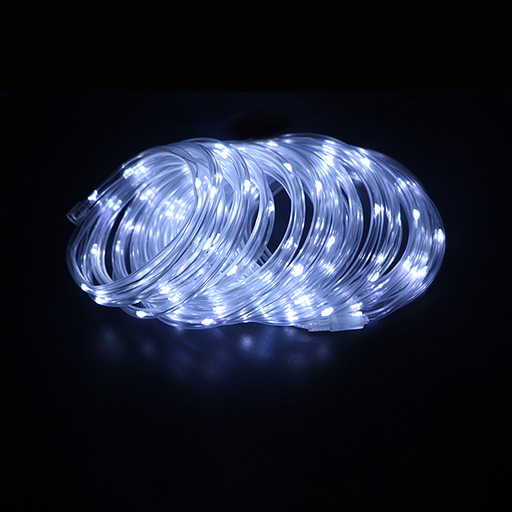
Why it’s a good choice for this kind of user : This battery-powered string light is ideal for decorating a first bedroom, a covered terrace or a party room, without needing a permanent mains connection.
The product details clearly specify that it takes three AA batteries, has eight lighting modes and an IP44 rating. You’ll need to buy the batteries separately, and should avoid leaving the product somewhere exposed to standing water.
10.3 m long, with 100 cool-white LEDs at 6500 K, a memory function and adjustable brightness.
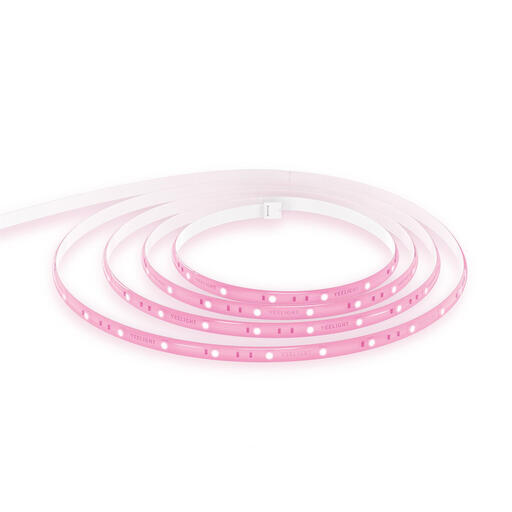
Why it’s a good choice for this kind of user : This smart light strip is ideal if you want an easy way to control the lighting in your living room, bedroom or gaming space.
The product details list compatible systems, music modes and adhesive installation. Clean and dry the surface thoroughly before fitting the strip to help prevent it coming unstuck.
Adjustable colours, brightness and white colour temperature, with scheduling and voice control also listed.
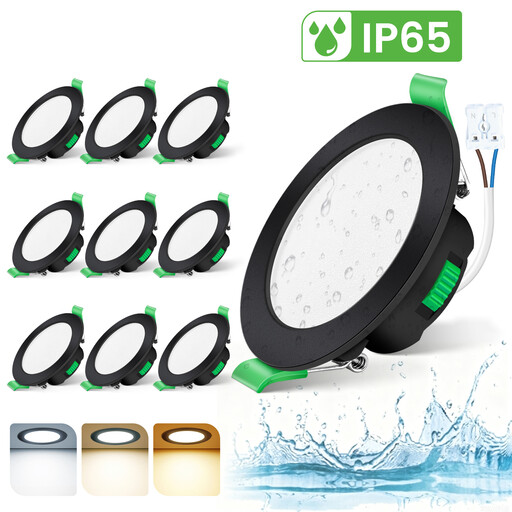
Why it’s a good choice for this kind of user : This recessed spotlight is suitable for installations where adjustable lighting is needed in a bathroom, kitchen or covered outdoor area.
The IP65 rating comes with some clear limitations: the product is not designed for direct water jets or immersion. A qualified electrician must connect it to the 230 V mains supply.
Pack of six spotlights, 600 lumens per unit, three colour temperatures and dimming from 10 to 100% with a compatible dimmer.
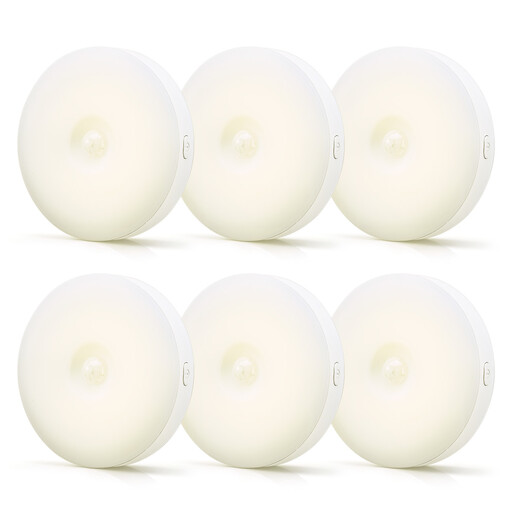
Why it’s a good choice for this kind of user : These rechargeable LED night lights are ideal for getting around at night, lighting cupboards and brightening areas where you don’t want to run cables.
The PIR sensor, stated detection range of 0 to 6 m and magnetic mounting are clearly specified. However, avoid installing the lights in particularly damp areas.
Three colour modes, rechargeable battery, cordless installation and 120° motion detection.
We’ve brought together a comprehensive range, updated in real time, of products that meet these demanding criteria and European safety standards.
Wattage alone doesn’t determine how decorative lighting will look. Instead, consider the luminous flux, colour temperature and whether you can dim the light. Soft lighting is ideal for a bedroom, while brighter lighting is better for an office or a thoroughfare.
It depends on its IP rating and where you plan to install it. Areas close to a water source require suitable protection and installation in line with current electrical regulations. A strip that isn’t designed for damp environments must not be installed near a shower or washbasin.
Power consumption depends on the wattage, how long the light is used and the cost of electricity. To estimate it, multiply the product’s wattage by the number of hours it’s used, then multiply that figure by the price per kilowatt-hour. Battery-powered string lights also have a running cost and require batteries to be replaced, while rechargeable models need regular recharging.