Those responsible for a lower-caffeine evening menu
They want to keep a matcha drink on the menu without confusing reduced caffeine with no caffeine. Anses warns that caffeine can delay falling asleep and reduce sleep duration and quality.


To keep a matcha drink on the evening menu while reducing caffeine, choose a decaffeinated product that states the residual caffeine content per serving: ‘decaffeinated’ does not mean ‘caffeine-free’. If avoiding tea is the priority, an infusion with checked ingredients meets a different need, but won’t offer the taste of matcha. Don’t describe classic matcha powder or instant preparations as decaffeinated based on their name alone; Anses warns that caffeine can disrupt sleep.
They want to keep a matcha drink on the menu without confusing reduced caffeine with no caffeine. Anses warns that caffeine can delay falling asleep and reduce sleep duration and quality.
They’re looking for a format that’s easy to prepare for several people. The instant preparation product information listed by Auchan and Joybuy shows why the ingredients and allergens matter just as much as ease of service.
They prefer green tea powder prepared according to the canteen’s recipe. This is a good choice when reducing caffeine isn’t the deciding factor.
Start by deciding whether your evening service should retain the taste of matcha or avoid tea. Then consider the format and recipe: a quick-to-prepare option doesn’t automatically meet the need to reduce caffeine.
Choose this: if the taste of matcha matters and the residual caffeine content is stated for the serving size.
Bear in mind: decaffeination doesn’t mean there’s no caffeine. Caff Off states that its product contains 7 to 9 mg per serving.
Choose this: if the canteen wants to control its recipe using green tea powder and caffeine is acceptable.
Limitation: this tea naturally contains caffeine, so it’s not suitable for describing a drink as caffeine-free.
Choose this: if speed and consistency of preparation are the priority, after checking the recipe.
Limitation: a latte mix may contain other ingredients and still have caffeine; its name alone doesn’t tell you how much matcha it contains.
Choose this: if avoiding tea matters more than keeping the taste of matcha, after checking the ingredients.
Limitation: an infusion isn’t matcha; any ‘caffeine-free’ claim must apply to the specific product being served.
| Consideration | What to check | Guests concerned |
|---|---|---|
| Caffeine in the evening | The decaffeination claim, residual caffeine content and serving size. | When choosing a drink for a late service, I want to know the caffeine content actually stated rather than relying on the word ‘matcha’. Around 36% of consumers prioritise this verifiable reduction. |
| Speed of service | The format, serving sizes and instructions needed to make the recipe consistently. | If several drinks need to be prepared one after another, I prefer a simple process the team can repeat. Ease of service is the top priority for around 29% of consumers. |
| Ingredients | The ingredients, allergens, sugars and proportion of matcha, where stated on the product information. | To serve a recipe whose ingredients I can explain to guests, I want to distinguish the tea from the other ingredients in the mix. Clear information about the ingredients comes ahead of other criteria for around 21% of consumers. |
| Matcha taste and preparation | The type of powder, intended recipe and storage instructions after opening. | I prefer whiskable green tea powder, while accepting that it naturally contains caffeine. Around 14% of consumers give top priority to this way of preparing matcha. |
Matcha is green tea and naturally contains caffeine. According to Anses, caffeine can disrupt sleep, so the name of the drink alone isn’t enough to promise that it meets a caffeine-reduction goal.
For a decaffeinated product, check the residual amount per serving before preparing the information for guests.
Auchan’s product information for a Lipton preparation states that it contains 92.9% instant oat powder and 5.3% matcha. An instant preparation, therefore, isn’t necessarily just tea powder.
Read the ingredients, the proportion of matcha where stated and the nutritional information before finalising the recipe.
A preparation may contain milk, as with the JENI powder listed on Joybuy. The DGCCRF stresses the importance of providing allergen information, particularly for food served without individual packaging.
Keep an up-to-date recipe sheet showing the ingredients and allergens for every drink actually served.
Carrefour’s product information for Jolivia matcha states that the powder quickly loses its colour after opening.
Follow the product’s own instructions for sealing, temperature and protection from light. Choose a container size that suits how quickly the canteen will use it.
These products illustrate different types of drinks. Always compare the product information for the specific item you’re considering serving.
The brand offers a decaffeinated matcha for people who want to keep a matcha drink on the menu while reducing caffeine.
Carrefour describes its 100 g product as a fine Japanese green tea matcha powder to be whisked into water.
Auchan lists an instant matcha and vanilla preparation in sticks.
Anatae’s catalogue includes various matcha powders and other Japanese teas.
Joybuy offers JENI 3-in-1 instant powder for a matcha-flavoured drink.
These two infusions are options for evening service when keeping the taste of matcha isn’t essential. Before describing them to guests as caffeine-free, check the ingredients and information on the packaging of the specific product being served.
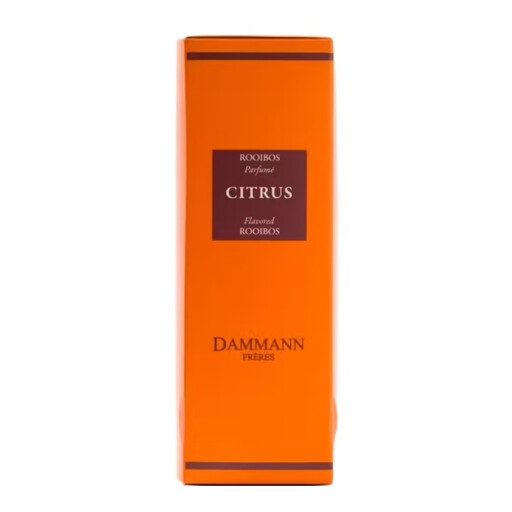 Image unavailable
A rooibos infusion for a menu that doesn’t aim to recreate the taste of matcha. Check the ingredients and caffeine information on the packaging before informing guests.
 Image unavailable
A herbal infusion to consider if the evening menu doesn’t need to include the taste of matcha. Check the ingredients, preparation instructions and any caffeine information on the packaging before finalising the recipe.
No. ‘Decaffeinated’ doesn’t necessarily mean ‘caffeine-free’. Caff Off states that its own decaffeinated matcha contains 7 to 9 mg per serving. For the product you’ll be serving, check the stated caffeine content and the corresponding serving size.
No: classic matcha is green tea and naturally contains caffeine. Anses warns that caffeine can affect how quickly you fall asleep, as well as sleep duration and quality. So don’t assume a drink is caffeine-free just because it’s served in the evening.
No, the ingredients depend on the preparation you choose. Auchan’s product information for a Lipton product states that it contains 92.9% instant oat powder and 5.3% matcha. Check the ingredients of the product you select rather than relying on the word ‘matcha’ alone.
Keep the recipe and the ingredients and allergen information for the products actually used. The DGCCRF stresses the importance of making allergens easy to identify. Update this information if the powder, mix or recipe additions change.