What should you look for first?
For an evening drink, first decide whether you prefer the taste of tea or herbal tea or rooibos. If you opt for tea, look for a variety explicitly labelled as decaffeinated. For any other blend, check the caffeine information and ingredients before comparing pack sizes.
| What to consider |
What to check |
Who is it for? |
| Caffeine |
Look for “caffeine-free” on the specific blend and read the ingredients, particularly to spot tea, maté, matcha or guarana. |
I want to serve an evening drink whose caffeine content is clear. Around 40% of consumers are said to make this their top priority. |
| Format |
Compare the number of tea bags or the weight on a like-for-like basis, then check availability at your chosen shop or for online grocery orders. |
When several people regularly drink herbal tea, I need a pack size that suits the number of cups to prepare. This would come first for around 30% of consumers. |
| Flavour and ingredients |
Check the herbs and flavourings in each blend; don’t take a “wellness” range name as an indication of caffeine content or a health benefit. |
I want to offer a range of flavours at home without choosing based on a promise printed on the box. Around 30% of consumers would put this need first. |
Brands to consider
These retailers and brands give you a useful basis for comparing blends and pack sizes. Always check the details of the product you choose: a brand may offer both caffeinated and caffeine-free blends.
Carrefour
A retailer where you can compare tea bags for shopping in bulk.
- Carrefour’s product page for KROON rooibos lists 20 tea bags and describes the blend as caffeine- and tea-free.
- Check other “wellness” products individually; availability depends on the shop and how you place your order.
Auchan
A retailer where you can compare herbal blends and rooibos.
- Auchan’s product pages for Ethiquable and Jardin BiO étic rooibos describe them as caffeine-free.
- The range also includes blends containing tea or maté, so check the ingredients of each product.
E.Leclerc
A point of comparison for plain loose-leaf rooibos.
- The product page for L’Origine du Goût rooibos lists a 90 g pack and rooibos as the ingredient.
- The product page asks you to check availability with your chosen E.Leclerc store.
Kusmi Tea
A brand to consider for flavoured herbal blends.
- Kusmi Tea’s “Be Cool” product page describes an organic herbal tea made with verbena, mint and liquorice, in a 20 g box.
- If you’re buying it for the evening, check the ingredients and caffeine information for the blend you choose.
Lipton
A brand whose different blends need to be checked individually.
- Auchan’s range includes Lipton “Saveurs du soir” liquorice and mint herbal tea.
- This name alone doesn’t confirm that this particular blend is caffeine-free; check the packaging.
Herbal teas to consider on Joybuy
This selection includes herbal blends and rooibos to give you options for evening drinks. For each product, check the ingredients and caffeine information on the packaging before buying for your household.
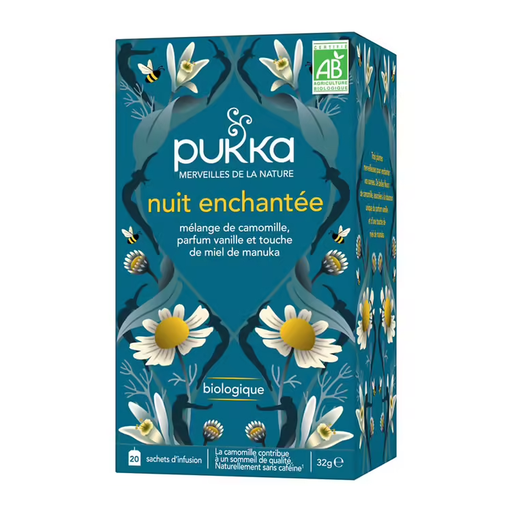 Image unavailable
Pukka Enchanted Night herbal tea, 32 g
A lovely option for evening herbal tea: the product page describes this blend as caffeine-free. Check the claim and ingredients on the packaging; the product name lists the pack size as 32 g.
View on Joybuy
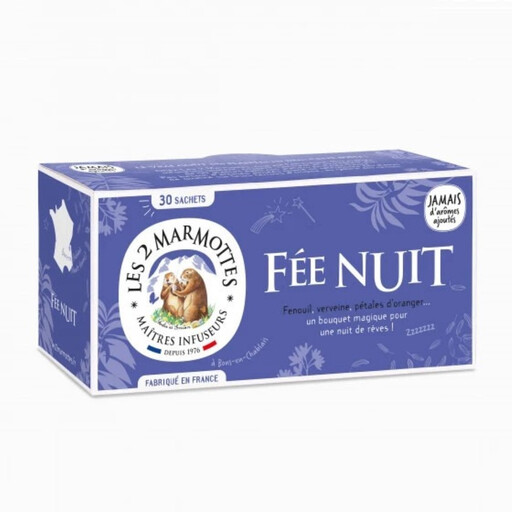 Image unavailable
Les 2 Marmottes Fée Nuit herbal tea, 50 g
Worth considering if you’re looking for an evening herbal blend. The product page describes it as caffeine-free; check the ingredients and this claim on the packaging. The stated pack size is 50 g.
View on Joybuy
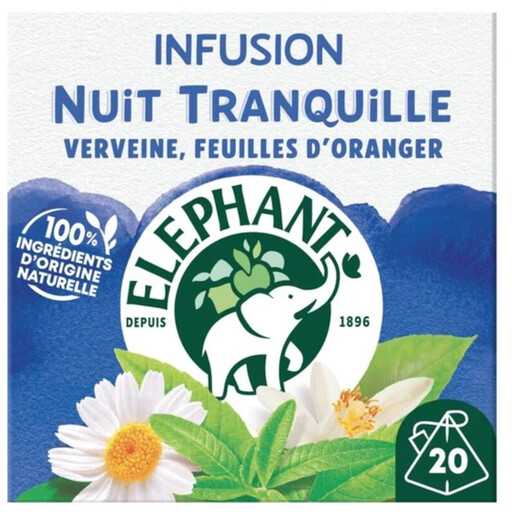 Image unavailable
ELEPHANT Quiet Night herbal tea, 20 tea bags, 30 g
The tea-bag format makes it easy to count how many cups you’ll be making for your household. The product page describes this herbal tea as caffeine-free; check the ingredients on the box. It contains 20 tea bags and weighs 30 g.
View on Joybuy
 Image unavailable
DAMMANN FRÉRES camomile herbal tea, 21 tea bags, 42 g
If you prefer a camomile blend to a mixed herbal tea, check the ingredients on the packaging. The description says this herbal tea is caffeine-free; the listed box contains 21 tea bags and weighs 42 g.
View on Joybuy
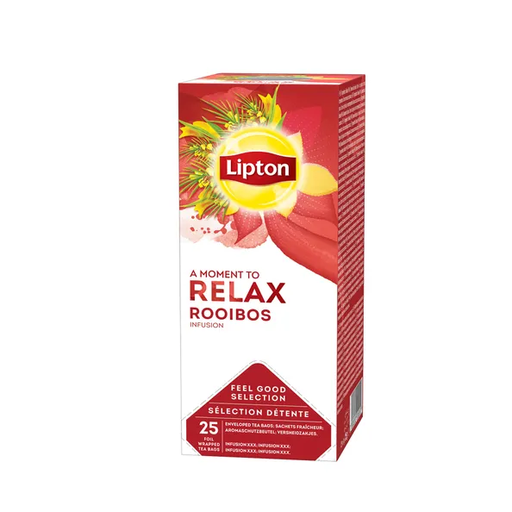 Image unavailable
Lipton Feel Good Selection Rooibos, 25 tea bags
A good option if your household prefers rooibos in tea bags to herbal tea. The product page describes this variety as caffeine-free; check the ingredients on the box. The product name lists 25 tea bags.
View on Joybuy
Frequently asked questions
Is “wellness tea” always caffeine-free?
No. This term doesn’t necessarily tell you what’s in the blend. Auchan’s range includes herbal teas as well as products containing tea or maté, so look for an explicit “caffeine-free” claim on the product you choose and read the ingredients.
Can rooibos replace evening tea?
Yes, if you’re happy with a flavour that differs from tea and choose a blend that suits your needs regarding caffeine. French product pages for KROON, Ethiquable and Jardin BiO étic rooibos describe them as caffeine-free. Check the ingredients of the specific product, especially if it’s a blend.
Why read the ingredients if the box has nutritional information?
The ingredients list tells you what’s in the blend, while the absence of a nutrition table doesn’t answer the question of its caffeine content. The DGCCRF says that herbal and fruit infusions, as well as tea, may be exempt from mandatory nutrition labelling. Also look for any specific information about caffeine.
Does a “detox” or “sleep” claim prove a health benefit?
No. A product name doesn’t demonstrate a therapeutic effect. The DGCCRF reminds consumers that health claims on food are regulated and may only be used under specified conditions. Don’t choose a herbal tea as a treatment for a health condition.
Who in the household should be especially careful about caffeine?
Anses advises particular care for pregnant or breastfeeding women, children and teenagers, and people who are sensitive to caffeine. If you’re sharing a drink, check the ingredients and caffeine information for each blend instead of relying on its name.


