What should you look for first?
To choose between decaffeinated tea and a herbal infusion, first decide on the drink’s base according to your preferences for caffeine and flavour. Then check that its format and preparation suit your lunch break.
| What to consider |
What to check |
Who is it for? |
| Caffeine-free |
Look for a suitable claim on the product, then read the ingredients: tea, matcha, maté and guarana aren’t suitable if you want to avoid caffeine. Decaffeinated tea should be labelled as such. |
I want to choose a drink without relying on the word ‘infusion’ printed on the box. Around 50% of consumers would put confirmation that the recipe is caffeine-free first. |
| Flavour and preparation |
Choose between the taste of tea and that of herbs or rooibos. Also check the format, the amount of water needed and the brewing time shown on the pack. |
On my lunch break, I want a drink I enjoy that I can make with the water available to me. Taste and ease of preparation would be the priority for around 30% of consumers. |
| Ingredients and labelling |
Read the full ingredients list and check which allergens are highlighted. Look for any labels that matter to you, but don’t use them to infer the ingredients. |
Before taking a herbal blend with me, I’d rather know exactly what it contains, especially if I plan to drink it regularly. Around 20% of consumers would prioritise the product’s ingredients and labelling. |
Herbal infusions and rooibos on Joybuy
These products are herbal infusions or rooibos, rather than decaffeinated tea. For your lunch break, compare the format and preparation method, then check the ingredients on the pack you receive.
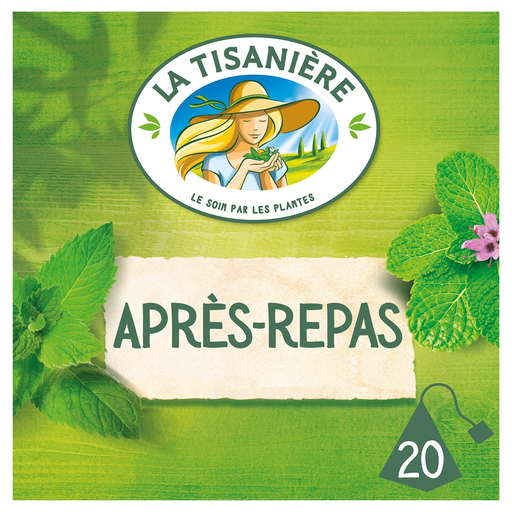 Image unavailable
LA TISANIERE Aniseed Mint Verbena, 20 tea bags
Worth considering if you’re looking for a herbal infusion in tea bags for your lunch break. The product name mentions aniseed, mint and verbena, and the pack contains 20 tea bags.
The listed recipe also contains liquorice. Check the ingredients on the pack and bear in mind Anses’ warning about high, repeated consumption.
View on Joybuy
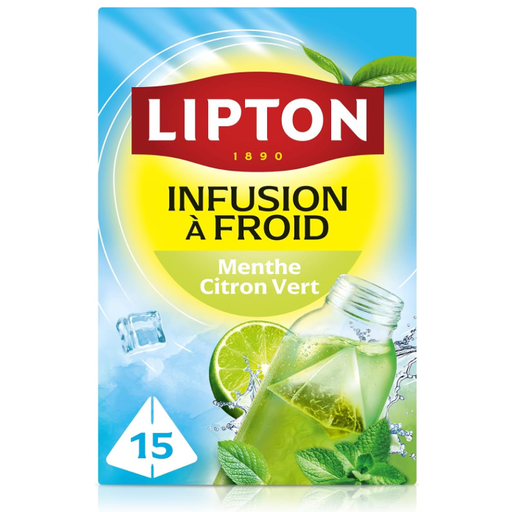 Image unavailable
LIPTON Cold Infuse Mint & Lime, 15 tea bags
Consider this if you prefer to make your drink cold during a break when you don’t have access to hot water. The product name indicates a mint and lime flavour, and the pack contains 15 tea bags.
If you want a caffeine-free drink, check the ingredients on this pack. If you’d like to make it hot, read the instructions before choosing.
View on Joybuy
 Image unavailable
Pukka Organic Digestion, herbal infusion 40 g
An option to consider if you’d like to make a hot infusion after lunch. The product is sold in a 40 g pack; if you want to take individual portions with you, check the pack format.
The listed recipe contains liquorice. Anses advises caution with high, repeated consumption of products containing it, so read the ingredients before buying.
View on Joybuy
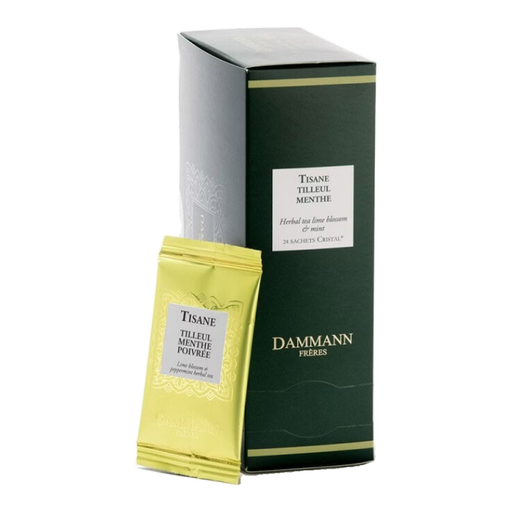 Image unavailable
DAMMANN Limeflower & Spearmint, 24 tea bags, 48 g
Consider this if you prefer to take limeflower and mint tea bags with you. The pack contains 24 tea bags and weighs 48 g.
This product is presented as a refill for the ‘L’Herboristerie’ tin. Check the packaging if you want to use this tin, and read the brewing instructions on the pack.
View on Joybuy
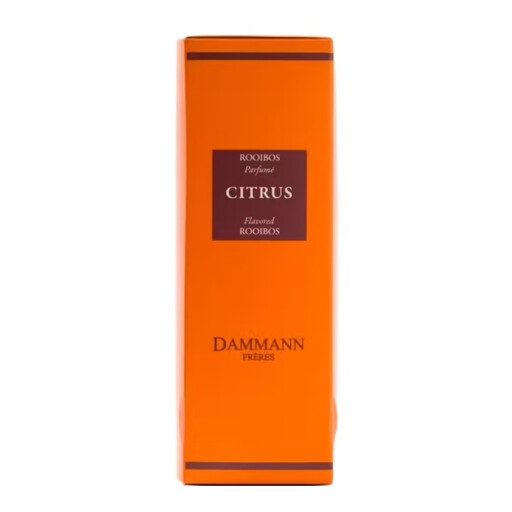 Image unavailable
DAMMANN FRERES Citrus Rooibos, 24 tea bags, 48 g
Worth considering if you prefer rooibos to a drink made from the tea plant and want to take tea bags with you. The product name indicates a citrus blend, with 24 tea bags weighing 48 g.
Check the full ingredients list to make sure it meets your requirements regarding caffeine, then follow the brewing instructions on the pack.
View on Joybuy
Frequently asked questions
Is an infusion always caffeine-free?
No. ‘Infusion’ doesn’t tell you exactly what the drink contains. E.Leclerc points out that tea naturally contains theine, and Auchan’s range includes products labelled as infusions that contain tea or maté. Check the ingredients of the product you choose.
How can you tell caffeine-free rooibos from decaffeinated tea?
Rooibos isn’t made from the tea plant, whereas decaffeinated tea is still tea. Some Carrefour and Auchan rooibos listings carry claims that specific products are free from caffeine or theine. Check the claim and the ingredients on the pack you choose.
What should you look for on the packaging of a pre-packed infusion?
Start with the product name and ingredients list to see whether the recipe contains tea, maté or liquorice, for example. The DGCCRF also points out that allergens must be highlighted in the ingredients list of pre-packed foods sold in France.
Should you take care with liquorice infusions?
Yes, particularly if you’re thinking of drinking them regularly. Anses links high, repeated consumption of products containing liquorice with risks including hypokalaemia and high blood pressure. Check the ingredients and ask a healthcare professional for advice if you have any concerns about your circumstances or medication.
How long should you brew rooibos during your lunch break?
Follow the brewing time and temperature given for the specific rooibos you choose. For the ETHIQUABLE product listed by Auchan, the instructions recommend brewing for 5 to 6 minutes in water at 95 °C. Don’t assume the same instructions apply to another blend.


