What should you check?
First decide whether your priority is a caffeine-free drink, a powdered preparation or simply less caffeine. An infusion, a plant-based powder and roasted green tea each meet different needs, even though they can all be enjoyed with an afternoon snack.
| Criterion |
What to check |
Who it’s for |
| Caffeine-free |
Look for an explicit claim on the drink you choose, and take the coffee served with it into account. |
For a late-afternoon snack, I don’t want to add caffeine through my drink, and I need to choose my coffee accordingly too. Around 50% of consumers are said to prioritise a caffeine-free option. |
| Powdered preparation |
Check which plant is used and how the drink is prepared: a powder “in the style of matcha” isn’t necessarily green tea. |
If what matters most to me is the ritual of making a green latte, I’m happy to choose a plant-based powder that doesn’t contain or taste like tea matcha. Around 30% of consumers are said to share this priority. |
| Reduced caffeine |
Don’t confuse “lower in caffeine” with “caffeine-free”. Ask for a specific caffeine content if it will affect your choice. |
I’m looking for toasty notes in my latte and am happy for the drink to contain some caffeine. Around 20% of consumers are said to prioritise reduced caffeine rather than a caffeine-free option. |
Infusions to enjoy with your afternoon snack
These Joybuy products are infusions described as caffeine-free alternatives to a matcha drink at afternoon snack time. They’re neither decaffeinated matchas nor powders to whisk; the coffee served alongside them is a separate choice.
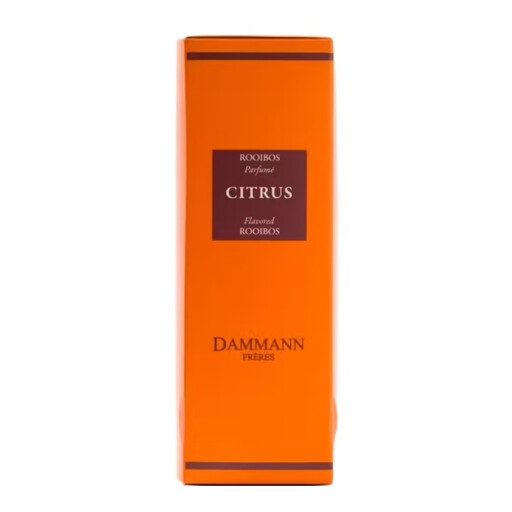 Image unavailable
DAMMANN FRERES Citrus rooibos infusion, 24 tea bags, 48 g
If you’d like to replace matcha with an infusion at afternoon snack time, this rooibos is described as caffeine-free.
The pack contains 24 tea bags and weighs 48 g. The product description mentions citrus and fruit notes. It isn’t tea matcha; check the product labelling if a specific caffeine limit matters to you.
View on Joybuy
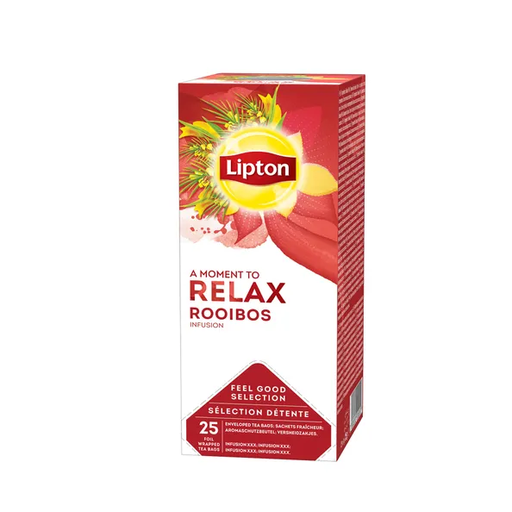 Image unavailable
Lipton Feel Good Selection Rooibos, 25 tea bags
This rooibos infusion is described as caffeine-free on its product page, making it an option for a late-afternoon snack.
The box contains 25 tea bags, and the description mentions woody notes with a hint of vanilla. It’s an infusion, not green tea matcha.
View on Joybuy
 Image unavailable
Pukka Organic Digestion herbal infusion, 40 g
If you’d like to swap matcha for a herbal infusion at afternoon snack time, this product is described as naturally caffeine-free.
Its ingredients include aniseed, fennel and cardamom, and the pack contains 40 g. The product page recommends infusing it in water at 100 °C for around five minutes. It’s neither matcha nor a powder to whisk.
View on Joybuy
Frequently asked questions
Is my afternoon snack caffeine-free if I have rooibos with ordinary coffee?
No: an infusion labelled caffeine-free doesn’t change the composition of the coffee served alongside it. If you choose decaffeinated coffee, check its product information too if residual caffeine matters to you.
Is ordinary supermarket matcha decaffeinated?
Don’t assume so: the products described by Carrefour and Lidl are green tea matcha powders, with no decaffeination claim in the product descriptions consulted. Look for a claim that applies to the exact product rather than relying on terms such as “organic” or “premium”.
Is hojicha powder suitable if I want to avoid all caffeine?
Anatae’s hojicha powder doesn’t meet the requirement of being caffeine-free: the brand describes it as lower in caffeine than matcha, but it’s still made from green tea. Consider it if you’re looking to reduce your caffeine intake, and check its caffeine content if that will determine your choice.
What should I look for on the packaging of a powder described as matcha?
Start with the product name and ingredients to distinguish green tea from another plant, then check for any information about caffeine or decaffeination. The French Directorate-General for Competition Policy, Consumer Affairs and Fraud Control (DGCCRF) notes that food labelling must give consumers clear and accurate information.
How should I prepare a powdered alternative for an afternoon snack?
Follow the instructions for the product you choose, as preparation methods vary. Pure Tea recommends mixing 1 to 2 g of Gaïa Matcha with 150 to 200 ml of water or milk. For its hojicha, Anatae suggests 1 g in 70 ml of water, with the option of adding milk afterwards. These instructions apply to these specific products, not to all powders in general.


