For an evening drink, don’t assume matcha on sale is decaffeinated. The matcha products listed by Carrefour, Lidl and Aldi don’t carry this claim in the information reviewed. If reducing caffeine is your priority, check that the specific product has been decaffeinated and find out how much caffeine remains per serving. If you’re happy to forgo the taste of matcha, an infusion with confirmed ingredients and a “caffeine-free” claim is another option.
Who is this guide for?
People who drink matcha in the evening
If you want to keep the taste of matcha while reducing your caffeine intake, distinguish ordinary green tea powder from a product explicitly labelled as decaffeinated. The Anses says caffeine can delay falling asleep and reduce sleep duration and quality.
Shoppers looking out for sale offers
A limited-time offer may catch your eye, but its dates and the format on offer tell you nothing about whether the product is decaffeinated. Check the product before relying on a special offer for your evening drink.
People who keep track of their caffeine intake
If you’re accounting for several drinks or foods containing caffeine, you’ll need information specific to the product and serving you consume. The European Food Safety Authority (EFSA) considers caffeine intake from all sources.
What should you check before buying in a sale?
For an evening drink, first decide whether you want to stick with matcha or choose a different infusion: the checks you need to make will differ.
Decaffeinated matcha
Choose this if: you want the taste of matcha with a documented reduction in caffeine for the specific product.
Limitation: the word “matcha” alone tells you nothing about decaffeination or residual caffeine.
Regular matcha or matcha latte
Consider this if: the type of matcha drink matters most to you and you can take its caffeine content into account.
Limitation: according to the Anses, caffeine can affect sleep; a sale offer doesn’t change the product’s composition.
Caffeine-free infusion
Consider this if: a “caffeine-free” claim, confirmed for the product you choose, matters more to you than the taste of matcha.
Limitation: an infusion won’t replace the flavour or use of matcha powder.
| Criterion |
What to check |
Who it matters to |
| Decaffeination |
Look for “decaffeinated” on the exact product and, if you need to quantify your intake, ask how much residual caffeine there is per serving. |
I want to keep the taste of matcha in the evening without relying on its name alone to judge its caffeine content. Around 50% of shoppers prioritise confirmation that the product is decaffeinated. |
| Offer details |
Once you’ve checked that the product is decaffeinated, check the dates, the relevant shop or click and collect service, and the format on offer. |
If I’m making a special trip for a sale, I want to know whether the product I’m looking for will be available at the right time and place. Whether the offer is valid is the main concern for around 30% of shoppers. |
| Type of drink |
Check the product name and ingredients to distinguish matcha powder, matcha latte mix and infusion. |
My main priority is making a matcha drink, and I don’t want to mistake it for an infusion, while still taking its caffeine into account. For around 20% of shoppers, the type of drink comes first. |
Pitfalls to avoid
-
Confusing “matcha” with “decaffeinated matcha”
The products listed by Carrefour, Lidl and Aldi are described as matcha or green tea; these terms don’t confirm that they’re decaffeinated. “Matcha latte” also describes a type of drink, not its caffeine content.
Check the name of the specific product and look for an explicit decaffeination claim. If you need to know how much caffeine you’re consuming, also ask about the residual caffeine per serving.
-
Assuming a dated offer is still available
Lidl’s page lists LOYD matcha in an offer from 1 October 2026, while Aldi says its matcha will be available from 6 October 2026. These dates don’t confirm that the product will be available at your local shop on the day you visit.
Check the dates and relevant store before setting off, and don’t let the offer take the place of checking the ingredients.
-
Forgetting other sources of caffeine
The EFSA considers caffeine intake from all sources. Information about your matcha drink alone therefore won’t tell you your total intake.
If you’re tracking your caffeine intake, remember to include the other drinks and products you consume. If the caffeine content of your chosen matcha isn’t listed, ask how much there is per serving.
Brands to know when comparing formats
The products below are examples of matcha to look out for at supermarkets; they are not confirmed as decaffeinated.
Carrefour Bio
Carrefour lists an organic matcha green tea under the Carrefour Bio brand.
- The product name identifies it as matcha green tea powder.
- That alone doesn’t confirm decaffeination or the residual caffeine content.
LOYD
Lidl lists LOYD as Japanese matcha green tea powder.
- The product listing gives the type of tea and the 40 g format.
- It isn’t described as decaffeinated; a dated offer doesn’t confirm it will be available when you visit.
Asia Green Garden
Aldi has announced that 40 g of Asia Green Garden matcha powder will be available from 6 October 2026.
- The format and announced date help you identify the product you’re looking for.
- The announcement doesn’t describe it as decaffeinated or confirm its availability before that date.
Infusions to consider on Joybuy
These are alternative drinks to consider if you’re happy to skip matcha in the evening; none is a decaffeinated matcha. To choose based on caffeine content, check the claim on the packaging of the exact product and, if necessary, its caffeine content per serving.
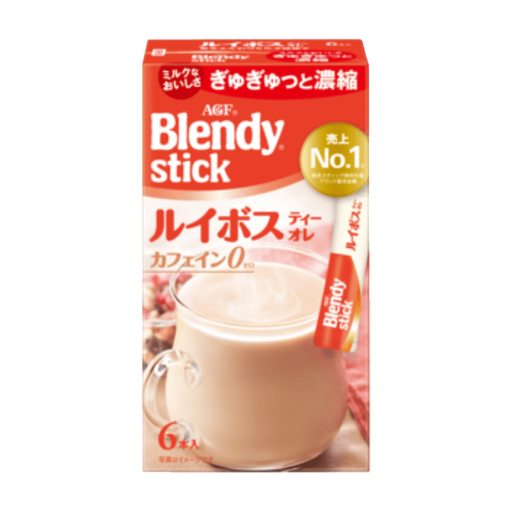 Image unavailable
AGF Blendy stick Rooibos Tea with Milk, 6 sticks
Consider this if you’d prefer a rooibos and milk drink in the evening instead of matcha.
Box of 6 sticks. Check the packaging for ingredients if you need to account for milk, soya or sugars, and ask about the caffeine content per serving if needed.
View on Joybuy
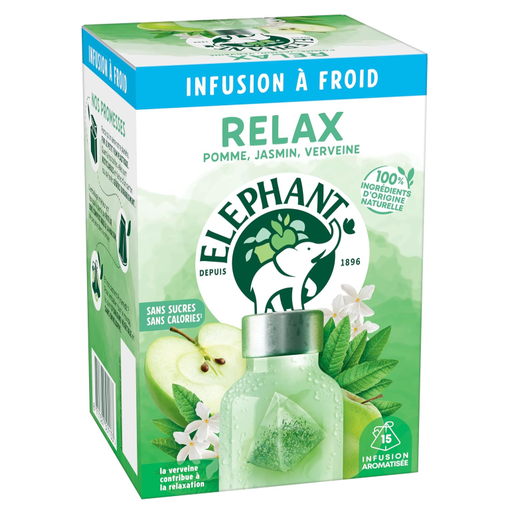 Image unavailable
Elephant Relax Cold Brew infusion, 15 tea bags
Consider this if you’d like a cold-brew infusion instead of a matcha drink.
Pack of 15 tea bags. Check the ingredients and the caffeine information on the packaging before choosing it for the evening.
View on Joybuy
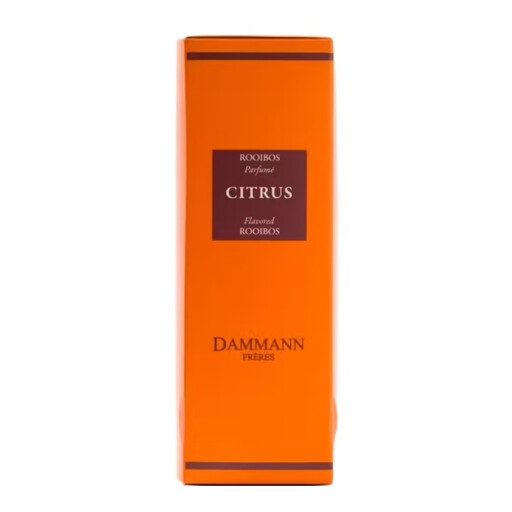 Image unavailable
DAMMANN FRERES Citrus Rooibos, 24 tea bags, 48 g
Consider this if a citrus rooibos infusion suits you better than the taste of matcha.
Pack of 24 tea bags, 48 g. If you need to keep track of your caffeine intake, check the information for the exact product rather than relying on the word “rooibos” alone.
View on Joybuy
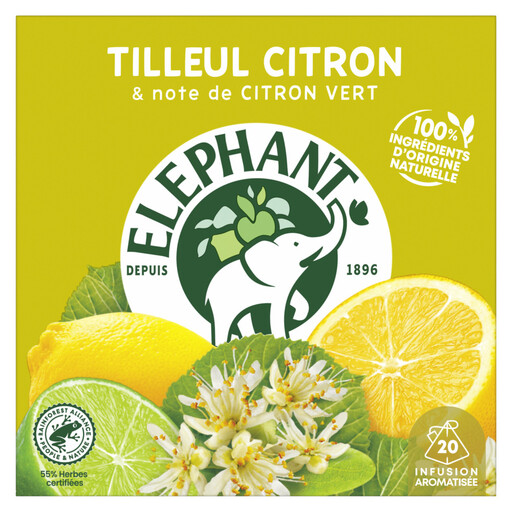 Image unavailable
Elephant Linden Lemon infusion, 20 tea bags, 28 g
Consider this if you’d prefer a lime blossom and lemon infusion to matcha powder.
Pack of 20 tea bags, 28 g. Check the label to confirm the ingredients and any caffeine information that matters to your choice.
View on Joybuy
Frequently asked questions
Is matcha powder or a matcha latte always decaffeinated?
No. The terms “matcha” and “matcha latte” don’t mean that a product is decaffeinated; the products listed by Carrefour, Lidl and Aldi aren’t described as such in the information reviewed. For a reduced-caffeine drink, check the claim on the exact product and ask about its residual caffeine per serving if you need this information to make your choice.
Why check the caffeine in matcha you drink in the evening?
Because caffeine can delay falling asleep and reduce sleep duration and quality, according to the Anses. The amount of caffeine in your chosen drink and your personal sensitivity matter more than packaging that suggests it’s relaxing.
How should you account for caffeine in a decaffeinated product?
Where available, use the residual caffeine content for the specific product and serving you consume. The EFSA considers caffeine intake from all sources, so one drink alone won’t represent your total intake.


