Hotels putting together an evening menu
These establishments need to distinguish a genuinely decaffeinated drink from regular matcha served in a small quantity. This matters when the menu promises a reduced-caffeine option.


To offer decaffeinated matcha in the evening, choose a product whose packaging clearly states that it has been decaffeinated and lets you check the residual caffeine per serving. A small serving of regular matcha still contains caffeine. If keeping the matcha flavour isn’t essential, an herbal infusion or rooibos with ingredients that match the claims you want to make is another option.
These establishments need to distinguish a genuinely decaffeinated drink from regular matcha served in a small quantity. This matters when the menu promises a reduced-caffeine option.
For these guests, the ingredients and serving size matter more than the word “decaf” alone. The Anses notes that caffeine can disrupt sleep, although its effects vary from person to person.
They may want to find matcha that is explicitly decaffeinated rather than serve an infusion, while checking the details of the exact product before adding it to the menu.
The right choice depends first on what you promise your guests: a matcha-flavoured drink, a smaller serving of regular matcha or a different hot drink for the evening each meets a different need.
Consider this: if the hotel wants to keep a matcha drink on the menu and can check that the product is decaffeinated, as well as its residual caffeine content.
Limitation: decaffeinated doesn’t necessarily mean caffeine-free. Check the caffeine content alongside the serving size.
Reserve this for: guests who would like matcha but haven’t asked for a decaffeinated drink.
Limitation: serving less doesn’t make regular matcha caffeine-free.
Consider this: when the priority is to offer a different hot drink in the evening, rather than recreate matcha.
Limitation: the flavour and ritual will be different. Check the blend’s ingredients before describing it as caffeine-free.
| Criterion | What to check | Who is it for? |
|---|---|---|
| Evening caffeine | The “decaffeinated” label on the exact product and, where stated, the residual caffeine per serving. | If I want to offer an evening drink to someone who is mindful of their caffeine intake, I need to know what’s actually in their cup; around 42 % of these consumers prioritise keeping caffeine exposure low. |
| Matcha identity | The type of product — matcha powder or a preparation containing matcha — and its ingredients list. | If the guest has come for matcha, an infusion won’t replace its flavour or preparation; around 33 % of these consumers prioritise keeping matcha on the menu. |
| Hotel service | The format, preparation instructions and information needed to serve the same portion with every order. | When the team is making drinks throughout service, I’m looking for a recipe that’s easy to repeat and explain; for around 25 % of these consumers, consistency comes first. |
The name of the tea doesn’t tell you whether it has been decaffeinated. A matcha preparation could therefore be wrongly described as a “decaf” option on the menu.
Before describing it this way, check that the exact product being served is labelled as decaffeinated and, where stated, check its residual caffeine content.
A smaller serving contains less powder, but regular matcha is still a source of caffeine. According to the Anses, caffeine can delay falling asleep and reduce sleep duration or quality.
Make it clear that it’s a small serving of matcha. If the menu promises a caffeine-free drink, choose another recipe and check its ingredients.
These options let you compare formats of regular matcha or look at alternatives. Their inclusion here doesn’t mean they offer decaffeinated matcha.
A retailer where you can compare matcha powders and latte preparations.
A place to look for matcha powder.
A retailer to check for matcha powder, depending on its current range.
Another retailer with a matcha powder product.
A useful brand to consider when distinguishing matcha from other drinks to serve in the evening.
These two tea bag infusions are options if you’re looking to offer a different hot drink in the evening. They aren’t decaffeinated matchas. Before advertising a drink as caffeine-free, check the ingredients and the information on the packaging of the product you’re serving.
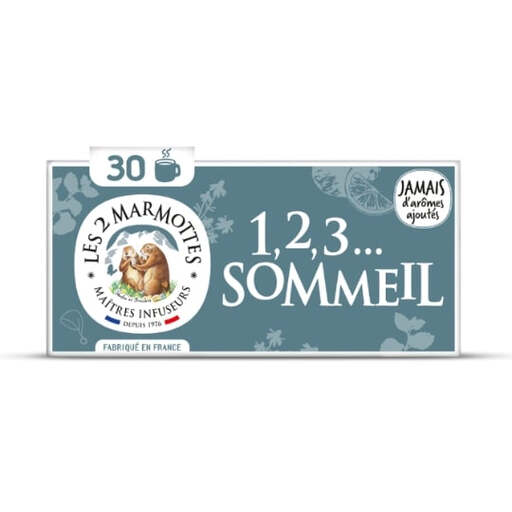 Image unavailable
A tea bag infusion to consider if the hotel café wants to offer a different hot drink in the evening, without keeping the matcha flavour.
The product listing describes it as naturally caffeine-free. Check this claim and the ingredients on the packaging before describing it this way to guests.
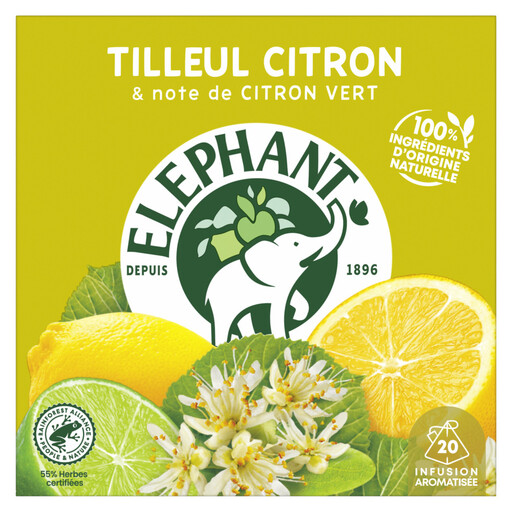 Image unavailable
Another tea bag infusion for evening service, if the menu can accommodate replacing matcha with a different drink.
The description says it’s caffeine-free. Check the ingredients and this claim on the packaging before serving it to guests.
No. Regular matcha contains caffeine, even when served in a small portion. The Anses says caffeine can disrupt sleep, so describe the drink accurately rather than presenting it as decaffeinated.
No. Check the residual caffeine content of the exact product and how much powder is used per cup. The manufacturer TSUJI RIICHI HONTEN describes a reduction in caffeine for its own decaffeinated matcha, but this doesn’t tell you the caffeine content of other products.
An herbal infusion or rooibos may be suitable if the ingredients in the product you’re serving support this claim. Kusmi Tea lists these drinks as alternatives to tea; check the ingredients in each blend before adding it to the menu.
Check the packaging of the product you’re serving, including its name, ingredients, allergen information and storage instructions. If you’re describing a drink as decaffeinated or caffeine-free, also check that this claim applies to the product and recipe you’re offering.