If you’re having a late-afternoon snack and avoiding caffeine is a priority, regular matcha isn’t the answer: it’s powdered tea that contains caffeine. If the taste of tea matters more, look for matcha that’s explicitly labelled as decaffeinated and check its residual caffeine content. If you’re happy to go without tea, check the ingredients of another drink advertised as caffeine-free. The person’s circumstances and any medication they take also matter when making this choice.
Who is this choice for?
Older people looking after their sleep
If you’re having a snack closer to the evening, you’ll want to know the difference between regular matcha, a decaffeinated product and a tea-free drink. Anses says that caffeine can delay falling asleep and reduce both the length and quality of sleep.
Family members and carers checking medication
If you’re choosing a drink for an older person who takes several medicines, check its ingredients and any caffeine content with a pharmacist or doctor before making it part of their routine. Assurance Maladie notes that adverse drug reactions are more common in older people, particularly when they take several medicines.
Fans of the matcha ritual
If powdered green tea and the way it’s prepared matter to you, you’ll want to choose that over a drink simply described as ‘matcha-style’. Kusmi Tea points out that traditional matcha contains caffeine, so when you enjoy this ritual, consider the time of day and any other caffeinated drinks you’ve had.
What should you look for?
Regular matcha
Consider it: if keeping matcha tea matters more to you than avoiding caffeine, and you’re not having your snack late in the day.
Bear in mind: matcha is still a tea that contains caffeine. Its effects on sleep vary from person to person, as Anses points out.
Decaffeinated matcha
Consider it: if you’d like to stick with a tea-based product while looking for a lower caffeine content.
Bear in mind: ‘decaffeinated’ doesn’t necessarily mean ‘caffeine-free’. Check the residual caffeine content stated for the product you choose.
Tea-free drink advertised as caffeine-free
Consider it: if avoiding caffeine matters more than the taste and identity of matcha tea.
Bear in mind: rooibos tea or a powder made from another plant isn’t matcha; its ingredients and preparation may be different.
| What to consider |
What to check |
Who it matters to |
| Caffeine in a late-afternoon drink |
Check the ingredients for tea, and look for information on caffeine per serving or residual caffeine after decaffeination. |
When my afternoon tea is close to bedtime, I want to know whether my drink still contains caffeine. Around 50% of consumers put this first. |
| Whether it’s really matcha |
Compare the product name and main ingredient: powdered green tea or powder made from another plant. |
If I’m looking for the taste and ritual of matcha tea, green powder made from another plant won’t meet the same need. This would be a priority for around 30% of consumers. |
| Ease of buying and preparing |
Check the format, ingredients and availability from your chosen retailer. |
To make afternoon tea easy to organise, I prefer a format I know how to prepare and can find when I need it. Nearly 20% of consumers would make this their priority. |
Common misconceptions to avoid
-
Assuming regular matcha is naturally caffeine-free
According to Kusmi Tea, matcha is powdered tea that contains caffeine. For someone sensitive to its effects later in the day, it may not be a good choice for a late-afternoon drink; Anses highlights possible effects on sleep in particular.
Don’t assume that matcha is caffeine-free just because of its name. If a product is sold as decaffeinated, look for clear information about its residual caffeine content.
-
Confusing ‘matcha-style’ with matcha tea
A powder may use the name or appearance of matcha while being made from a different plant. Pure Tea, for example, describes its Gaïa Matcha as a powder made from young hemp leaves, not powdered green tea.
Read the product name and ingredients before choosing between the tea ritual and another drink advertised as caffeine-free.
-
Choosing based on a wellness claim rather than the ingredients
Neither the name ‘matcha’ nor plant-based branding is enough to tell you whether a drink is right for a particular person. In a review of seven matcha products published in September 2026, UFC-Que Choisir found aluminium in all seven. Four exceeded the reference value cited by the organisation; these results don’t cover products that weren’t tested.
Check the ingredients and how often you plan to drink it. If you take medication or have a health-related question, ask for advice that takes your circumstances into account rather than relying on a general claim.
-
Planning to buy a product without checking it’s available
Seeing a product page or offer online doesn’t guarantee that the product will be available at your chosen shop when you want it for afternoon tea.
Check the full product details and availability with the retailer before settling on a particular format.
Brands to compare
Carrefour Bio
Carrefour France lists a Carrefour Bio green matcha tea.
- The product name makes it clear that this is green matcha tea.
- The name doesn’t mean it’s decaffeinated. Check the label if caffeine content will determine your choice.
Asia Green Garden
Aldi France lists Asia Green Garden matcha powder in a 40 g pack.
- The product format and category are clearly stated.
- The words ‘matcha powder’ aren’t enough to confirm that it’s decaffeinated.
LOYD
Lidl France describes LOYD as Japanese powdered green matcha tea, in a 40 g pack.
- Knowing it’s powdered green tea helps distinguish it from a tea-free, plant-based alternative.
- If you’re avoiding caffeine with your afternoon tea, check the ingredients and availability at your chosen shop.
Kusmi Tea
In its article about matcha, Kusmi Tea explains that this tea contains caffeine.
- This distinction helps you avoid confusing traditional matcha with a caffeine-free drink.
- The brand’s explanation doesn’t tell you the caffeine content of a particular decaffeinated product.
Pure Tea
Pure Tea describes Gaïa Matcha as a caffeine-free powder made from young hemp leaves.
- The stated ingredient makes it clear that this is a tea-free alternative, not traditional matcha.
- The brand listed the product as out of stock on its product page, so check availability before considering it for a purchase.
An afternoon tea option on Joybuy
If you’re happy to swap matcha tea for a tea-bag infusion, this rooibos option offers another way to enjoy afternoon tea. It doesn’t use matcha as an ingredient or involve preparing a powder.
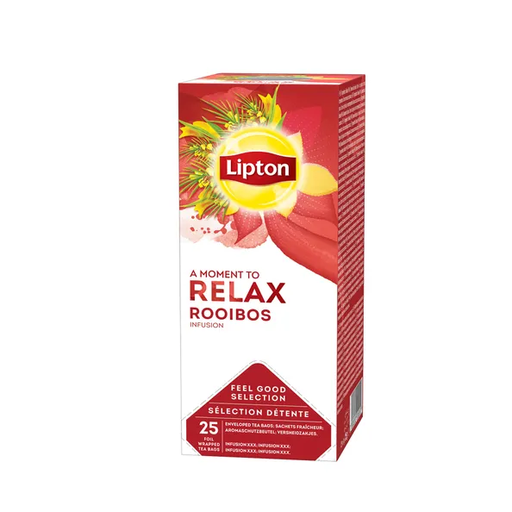 Image unavailable
Lipton Feel Good Selection Rooibos, 25 tea bags
If you’d prefer an infusion to matcha with your afternoon tea, the product description says this rooibos is caffeine-free.
Format: 25 tea bags. This isn’t matcha tea; if avoiding caffeine is essential, confirm the ingredients on the label.
View on Joybuy
Frequently asked questions
Is regular matcha suitable for a late-afternoon drink?
Not if you’re trying to avoid caffeine: regular matcha contains it. Anses says caffeine can delay falling asleep and reduce the length and quality of sleep, so consider the person’s sensitivity and the time of their afternoon tea.
Is a product called ‘matcha’ always caffeine-free?
No. Traditional matcha is powdered green tea and contains caffeine, as Kusmi Tea explains. A powder advertised as caffeine-free may come from another plant. Check the main ingredient and, if you’re choosing decaffeinated tea, the stated residual caffeine content.
What should you do if the person takes several medicines?
Ask a pharmacist or doctor whether the drink you’re considering, including any caffeine and other ingredients, is suitable for that person, particularly if they’ll be drinking it regularly. Assurance Maladie highlights the increased risk of adverse drug reactions among older people taking several medicines. The name of the drink alone can’t answer this question for an individual.


