What should you look for?
Your choice depends first and foremost on what matters most for your break: avoiding caffeine or keeping the taste of matcha. A latte is a convenient way to prepare a drink, but that alone doesn’t tell you whether it contains caffeine.
Matcha and matcha lattes
Choose this if: you want to enjoy the taste of matcha and are happy to have a caffeinated drink.
The trade-off: matcha isn’t suitable if you need to avoid caffeine, even when it makes up only part of a blend.
Rooibos and caffeine-free herbal infusions
Choose this if: avoiding caffeine matters more than the taste of matcha for this break.
The trade-off: these drinks aren’t decaffeinated matcha and won’t taste like it.
| Criteria |
What to check |
Who is it for? |
| Caffeine and sleep |
Look for an explicit ‘caffeine-free’ label and read the ingredients list. A plant-based drink isn’t necessarily caffeine-free. |
If my break is close to bedtime, I want to avoid a stimulating drink; around 42% of consumers put being caffeine-free at the top of their list of criteria. |
| Matcha flavour |
If you want to enjoy matcha without its usual caffeine content, check that the product is explicitly labelled as decaffeinated. Regular green tea powder doesn’t meet this requirement. |
For my break, I care most about the taste and preparation of matcha, and I’m happy to have caffeine; nearly 33% of consumers prioritise matcha itself. |
| Easy-to-make latte |
Compare the proportion of matcha, the other ingredients and the preparation method. The amount of matcha alone doesn’t tell you how much caffeine there is per serving. |
When I’m short on time, an easy-to-make blend matters more to me than powder that needs whisking; around 25% of consumers put convenience first. |
Herbal infusions and rooibos available on Joybuy
These products are rooibos or herbal infusion options for a break when avoiding caffeine matters more than recreating the taste of matcha. The last one is made with cold water, so bear that in mind if you’re looking for a hot drink.
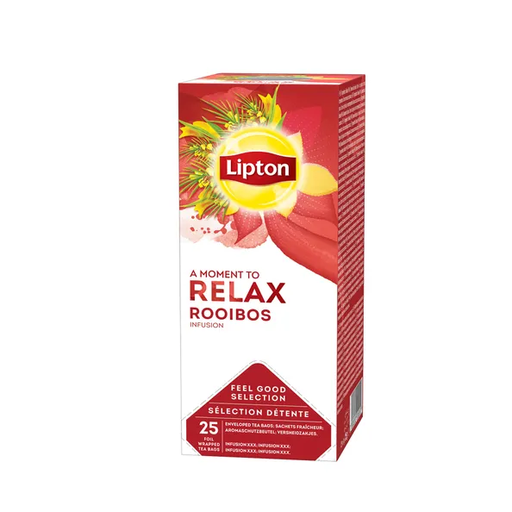 Image unavailable
Lipton Feel Good Selection Rooibos, 25 tea bags
A rooibos infusion to consider if you’d like an alternative to matcha for your break; its description says it’s caffeine-free. It isn’t decaffeinated matcha.
Format: 25 tea bags.
View on Joybuy
 Image unavailable
Pukka Organic Digestion herbal infusion, 40 g
If you’d prefer an infusion to matcha for your break, the description says this herbal blend is caffeine-free. The name shouldn’t be taken as a promise of digestive benefits.
Format: 40 g.
View on Joybuy
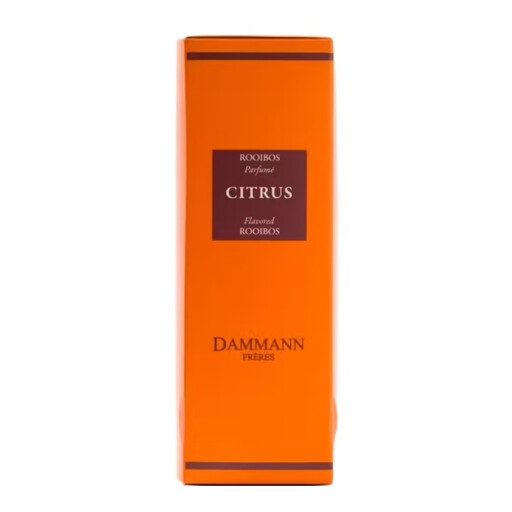 Image unavailable
DAMMANN FRERES Citrus Rooibos, 24 tea bags, 48 g
A citrus rooibos to consider as a caffeine-free alternative to matcha for your break, according to its description. If you avoid citrus fruits, check the product’s ingredients list.
Format: 24 tea bags, 48 g.
View on Joybuy
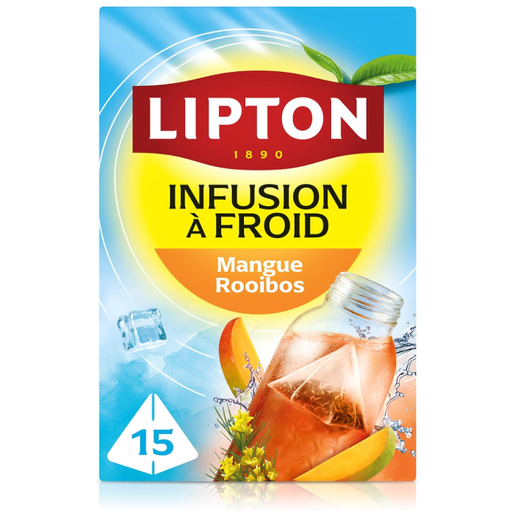 Image unavailable
Lipton Cold Infusion Rooibos Mango, 15 tea bags
Worth considering if a cold drink suits your break: its description says it’s caffeine-free and designed to infuse in cold water. It isn’t a direct substitute for hot matcha.
Format: 15 tea bags.
View on Joybuy
Frequently asked questions
Is regular matcha decaffeinated?
No. Matcha is powdered green tea, and caffeine is among the compounds described in a review published in Molecules. If decaffeination is essential to your choice, look for an explicit label on the product rather than assuming it from the word ‘matcha’.
Is a latte containing 6.2% matcha caffeine-free?
That proportion doesn’t mean you can consider it caffeine-free. Auchan’s listing for the Lipton preparation gives the matcha content as 6.2%, but this describes its composition, not the amount of caffeine in a serving.
What can I drink in the afternoon if I want to avoid caffeine?
Choose a product explicitly labelled caffeine-free, such as a rooibos or an infusion that meets this requirement. Kusmi Tea, for example, describes its Rooibos Vanille as caffeine-free. Check the ingredients and preparation method of the product you buy.
Should I count other caffeinated drinks I have during the day?
Yes, if you decide to have matcha or a latte that contains caffeine. The European Food Safety Authority assesses caffeine intake from all dietary sources, so remember to include coffee, tea and other caffeinated drinks when deciding whether this break is right for you.


