To serve decaffeinated ground coffee with sandwiches, first choose a product suited to your filter coffee maker or espresso machine. Then compare the stated flavour profile and pack size, along with details of the decaffeination process if that matters to you. Espresso grind isn’t automatically suitable for filter coffee.
Who is this choice for?
Bakeries serving coffee later in the day
You’d like to offer a decaffeinated option alongside sandwiches for customers who prefer to limit their caffeine intake later in the day. The French Agency for Food, Environmental and Occupational Health & Safety (ANSES) says caffeine’s effects on sleep vary from person to person.
Food outlets with a filter coffee maker
You’re looking for ground coffee that’s specifically labelled as suitable for filter coffee. Carte Noire describes its Décaféiné Pur Arabica as suitable for filter coffee makers.
Buyers who care about processes and labels
You want to be able to identify a product’s decaffeination method or labels. Malongo describes Déca Aqua as water-decaffeinated, organic and fairly traded. These details apply to this product, not to all decaffeinated coffees.
What to look for
For a sandwich service, start with the coffee you want to offer and the machine you use. Then check the pack size and the details provided for each product.
| Criterion |
What to check |
Who it matters to |
| Coffee for later in the day |
Check that the specific product is labelled “decaffeinated” and read its stated flavour profile. |
If I serve coffee with a sandwich later in the day, I want to offer an option for customers who wish to limit their caffeine intake. Around 36% of consumers would make this their top priority. |
| Machine used |
Check whether the product is intended for filter or espresso, and look for any suggested adjustments to the amount used. |
If I already have a machine, I need a grind that suits the coffee I’m serving. Compatibility would be the top criterion for around 29% of consumers. |
| Pack size and restocking |
Compare the net weight of the packs and choose a size that suits your rate of use. |
If orders are frequent, I want a pack that suits the outlet’s sales without leaving coffee open for too long. Around 21% of consumers would prioritise this restocking need. |
| Process and labels |
Check the decaffeination details and labels for the specific product, rather than assuming they apply to the whole brand. |
I want to know the decaffeination process or labels so I can describe the coffee I’m serving. Around 14% of consumers would make this their main criterion. |
Mistakes to avoid
-
Choosing based only on the word “decaffeinated”
The label doesn’t tell you which brewing method the grind is intended for. Carte Noire describes its Décaféiné Pur Arabica as suitable for filter coffee, while Malongo lists espresso for Déca Aqua and Dolce.
Before ordering for your service, check the brewing method listed for the exact product and test the amount to use with your machine.
-
Assuming a product’s features apply to the whole brand
Check the decaffeination process, labels and brewing methods for each product individually. Malongo describes Déca Aqua as water-decaffeinated, organic and fairly traded; that doesn’t automatically describe its other coffees.
Whenever you switch products, check the details on the pack or product page again.
-
Leaving a large pack open and unprotected
For its ground coffee, Carte Noire recommends storing it away from light, heat and moisture to preserve its flavour.
Choose a pack size that suits your rate of use and seal the coffee carefully after opening.
Brands to compare
Carte Noire
Carte Noire offers its ground Décaféiné Pur Arabica in a 500 g pack, with a stated intensity of 7/10.
- The product details say it’s for use in filter coffee makers.
- For a different brewing method, check what the specific product is intended for rather than relying on the general range description.
Malongo
Malongo offers ground decaffeinated coffees including Déca Aqua and Dolce, which are described as suitable for espresso.
- Malongo says these products are decaffeinated using water. The brand describes Déca Aqua as organic and fairly traded.
- Malongo says Dolce can also be made using a filter method if you adjust the amount of coffee. Try it before adding it to your service.
Carrefour Extra
Carrefour Extra offers 100% Arabica decaffeinated ground coffee in a 250 g pack.
- The 250 g pack lets you compare the quantity with your rate of use.
- If the decaffeination method or compatibility with your machine is important, check these details on the pack you buy.
ECO+
ECO+ is part of the E.Leclerc range, with decaffeinated ground coffee in a 250 g pack.
- The 250 g pack could be a good size to try before choosing a product for your service.
- Check the pack for the brewing method and decaffeination process if these details matter to your choice.
Bio Village
E.Leclerc’s Bio Village brand offers decaffeinated ground Arabica coffee that is organic and Fairtrade, in a 250 g pack.
- For this product, E.Leclerc lists Peru as the main country of origin and says it’s made in France.
- If you’re choosing this coffee based on its decaffeination process or compatibility with your machine, check the details for the specific product.
Decaffeinated ground coffee on Joybuy
This selection features decaffeinated ground coffee in a 250 g pack to serve alongside sandwiches. Before choosing it for your service, check that the grind suits your equipment.
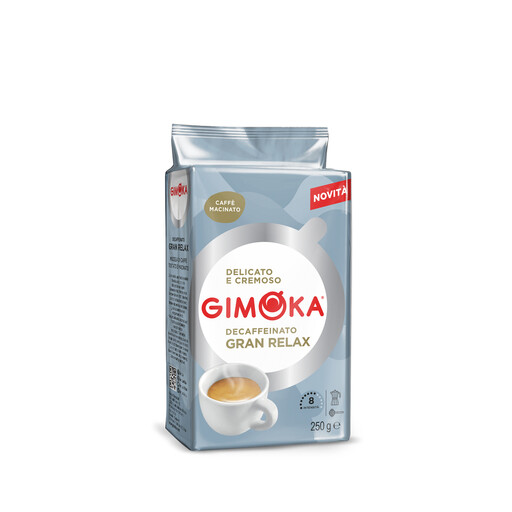 Image unavailable
GIMOKA GRAN RELAX, decaffeinated ground coffee, 250 g
A decaffeinated option to consider serving with sandwiches. Check that the grind is suitable for your brewing method.
250 g pack.
View on Joybuy
Frequently asked questions
Why serve decaffeinated coffee with sandwiches later in the day?
Decaffeinated coffee gives customers an option if they want to limit their caffeine intake. ANSES says caffeine can disrupt sleep, although the effects vary from person to person.
Should you choose a grind for filter coffee or espresso?
Choose according to the machine you use. Carte Noire lists its Décaféiné Pur Arabica as suitable for filter coffee makers; Malongo describes Déca Aqua and Dolce as suitable for espresso, and says Dolce can be adapted for filter brewing by adjusting the amount of coffee.
What should you check about “water-decaffeinated” and “solvent-free” claims?
Check that these claims apply to the specific product you’re considering. Malongo describes Déca Aqua and Dolce as decaffeinated using water and solvent-free. These details come from the brand and shouldn’t be assumed to apply to its other products.
How should you store decaffeinated ground coffee after opening?
Seal it carefully and keep it away from light, heat and moisture. Carte Noire recommends these storage conditions to preserve the flavour of its ground coffee.


