For a short lunch break at work, decaffeinated instant coffee or sachets mean you won’t need a coffee maker, but check the preparation instructions before planning to drink it cold. Decaffeinated ground coffee is suitable if you have the equipment and time to make the coffee and then chill it. A ready-to-drink cold coffee is only a decaf option if the exact product is labelled as such.
Who are these formats for?
People without a coffee maker at work
If you want to keep some decaf in a desk drawer and make a cup during a short break, consider instant coffee or sachets. To drink it cold, check the preparation instructions and allow time to chill it if they call for hot water.
People keeping an eye on their caffeine intake
First, choose a product whose name says “decaffeinated”, rather than assuming that “cold” means it is. Anses notes that the effects of caffeine, particularly on sleep, vary from person to person.
Offices with a coffee maker
Decaffeinated ground coffee may be a good option if your equipment is compatible and you have time to make and chill the drink before lunch. Check that your coffee maker is suitable before choosing your coffee.
What should you look for?
When choosing decaffeinated cold coffee for work, first check that it is labelled “decaffeinated”, then consider how the preparation time fits with the equipment you have. The three formats involve different steps.
Decaffeinated instant coffee or sachets
Choose this if: you don’t have a coffee maker and want to make a single serving at work.
Bear in mind: soluble coffee isn’t automatically suitable for cold preparation. Follow the product instructions and let the drink cool if needed.
Decaffeinated ground coffee
Choose this if: you have a compatible coffee maker and want to make your coffee yourself.
Bear in mind: brewing and chilling take up time during your lunch break; ground coffee isn’t ready to drink.
Ready-to-drink cold coffee
Choose this if: the product is explicitly labelled “decaffeinated” and its label meets your needs.
Check: “cold coffee” and “decaffeinated” describe two different things; a ready-to-drink format doesn’t guarantee the latter.
| Criteria |
What to check |
Who it suits |
| Quick to make and easy to store |
Sachets or a jar; preparation instructions for a drink served cold. |
I don’t have a coffee maker and want to keep what I need to make a cup without spending my break on several steps. Around 40% of consumers put this convenience first. |
| Decaffeinated label |
The name and ingredients of the exact product; don’t rely on the word “cold” alone. |
My main aim is to reduce my caffeine intake, so I need a product clearly identified as decaffeinated. This is thought to be a priority for around 30% of consumers. |
| Preparation method |
Whether the format works with the coffee maker available; the time needed to make and chill the coffee. |
If I have a coffee maker, I’d rather choose my own coffee and accept a longer preparation time. For around 30% of consumers, the preparation method is thought to be the main consideration. |
Common mix-ups to avoid
-
Assuming “cold coffee” means “decaffeinated”
The serving temperature tells you nothing about the caffeine content. In the Carrefour results checked for “cold coffee”, none of the 13 products shown were labelled “decaffeinated” in the visible listing. This does not apply to all drinks sold elsewhere.
Before choosing a ready-to-drink option, check the name and ingredients of the exact product.
-
Expecting ground coffee to be ready to drink
The Carte Noire decaffeinated ground coffee listed by Auchan is intended for filter and manual coffee makers. You still need to brew it and then chill it if you want to drink it cold.
Choose this format if you have access to a compatible coffee maker and can fit these steps into your routine at work.
-
Thinking “decaffeinated” means “caffeine-free”
Choosing decaf reflects a preference for reducing caffeine, but it doesn’t promise that the coffee is completely caffeine-free or that everyone will react to it in the same way. Anses highlights, in particular, how the effects of caffeine on sleep vary from person to person.
Read the information for the product you choose rather than assuming its ingredients from the category name alone.
Brands and retailers to know
These products are examples of formats to compare for the office; a brand or retailer being mentioned here does not mean that a particular product is available.
Nescafé
The Spécial Filtre Decaffeinated coffee listed by Carrefour is instant coffee in a jar, worth considering for an office cupboard without a coffee maker.
- Carrefour’s listing describes this product as “100% decaffeinated instant coffee”.
- This description doesn’t apply to all Nescafé products; check the instructions too before planning to serve it cold.
Plantation (Marque Repère E.Leclerc)
E.Leclerc lists freeze-dried decaffeinated instant coffee in a box of 25 sachets, for those who prefer individual portions.
- The sachets let you make a single serving without a coffee maker.
- E.Leclerc recommends checking whether this product is available at your local store.
Carte Noire
Carrefour and Auchan listings describe decaffeinated 100% Arabica ground coffee products, intended for use with a compatible coffee maker.
- Auchan says that one of its products can be used with filter and manual coffee makers.
- The coffee needs to be brewed and then chilled: a pack of ground coffee isn’t a ready-to-drink cold beverage.
Auchan
Auchan’s decaffeinated coffee category lets you browse several formats, including whole beans, ground coffee and capsules.
- Comparing these formats helps you choose based on the coffee maker you actually have at work.
- A listing for decaffeinated coffee doesn’t, by itself, confirm that it can be prepared cold or is ready to drink.
Carrefour
Carrefour’s listings make it possible to distinguish instant or ground decaffeinated coffee from search results for cold coffee.
- The Nescafé instant coffee and Carte Noire ground coffee products checked are labelled decaffeinated.
- For a ready-to-drink cold beverage, check the label of your chosen product separately.
Decaffeinated coffee for the office on Joybuy
These products include individual portions, instant coffee and ground coffee to prepare at work. To make a cold drink, check the preparation method for each product and allow time for it to cool if it needs to be made hot.
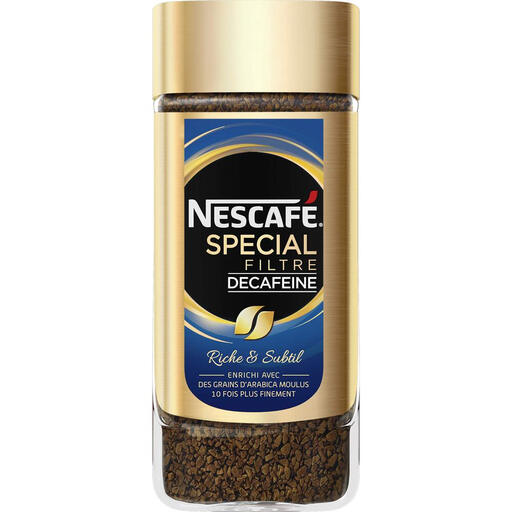 Image unavailable
NESCAFÉ Decaf Filter Coffee, 100 g
Decaffeinated coffee to consider if you don’t have a coffee maker at work. To serve it cold, check the preparation method on the product and allow time for it to cool if needed.
View on Joybuy
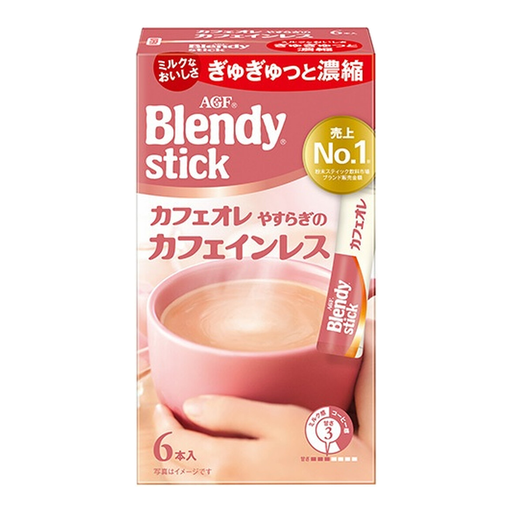 Image unavailable
AGF Blendy stick Cafe au Lait Decaffeinated, 6 sachets
The six sachets are handy individual portions to keep at work. Check the instructions before using them to make a cold drink, and read the ingredients and allergen information, particularly if milk is a concern for you.
View on Joybuy
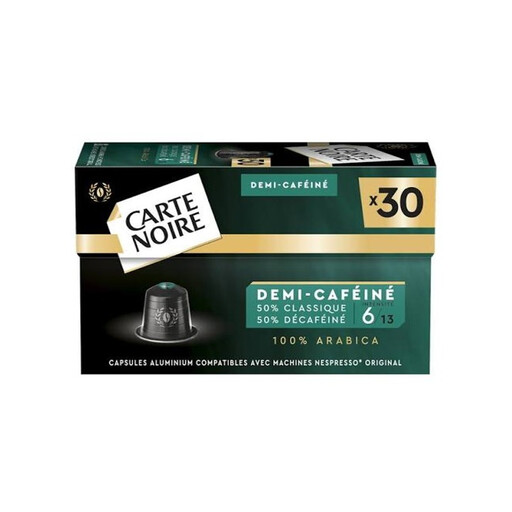 Image unavailable
CARTE NOIRE Nespresso Demi, 30 decaffeinated capsules
A capsule format to consider if you have a compatible machine. Check your exact machine model; to drink the coffee cold, you’ll need to brew it and then let it cool.
View on Joybuy
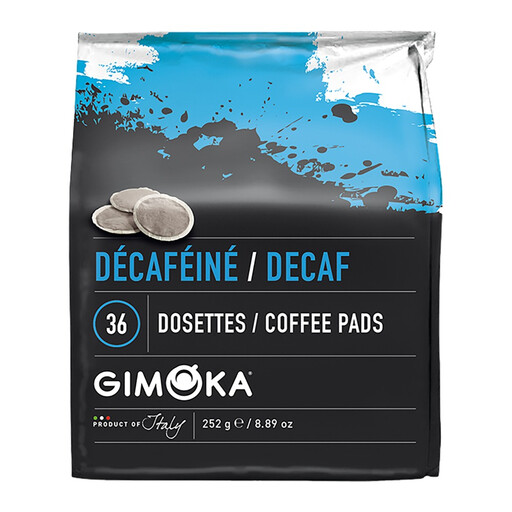 Image unavailable
GIMOKA, 36 decaffeinated pods compatible with Senseo, 252 g
These pods are suitable for making individual portions if the coffee maker at work accepts this product. Check that your machine is compatible and allow time to chill the coffee after brewing.
View on Joybuy
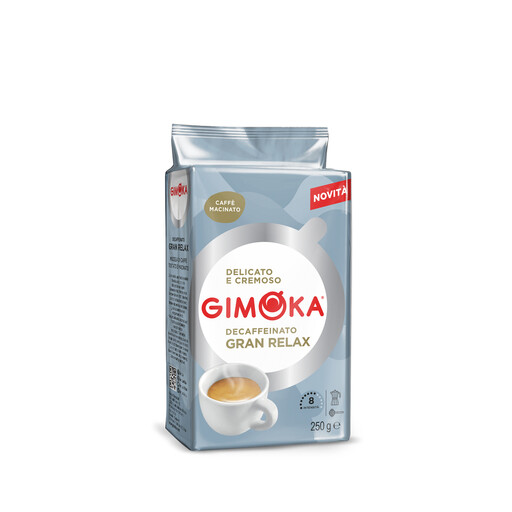 Image unavailable
GIMOKA Gran Relax, 250 g of decaffeinated ground coffee
This ground coffee is for offices with a suitable brewing method. It isn’t ready to drink, so allow time to prepare and chill it during your break.
View on Joybuy
Frequently asked questions
Is cold coffee always decaffeinated?
No. “Cold” describes how the drink is served, not its caffeine content. Check that the name and product information for the exact item say “decaffeinated”, even if it’s a ready-to-drink iced coffee.
What should I choose for a short break without a coffee maker?
Decaffeinated instant coffee or sachets mean you don’t need to use a coffee maker. Carrefour lists Nescafé Spécial Filtre Décaféiné as an instant coffee, while E.Leclerc describes Plantation coffee in sachets. Check the instructions for the product you choose before planning to serve it cold.
Is decaffeinated coffee completely caffeine-free?
Don’t take the word “decaffeinated” as a guarantee that the coffee contains no caffeine at all. If reducing your caffeine intake is the reason for your choice, read the information for the specific product. Anses notes that people’s sensitivity to the effects of caffeine varies.


