Teams responsible for meal service
When serving several residents, the format needs to suit the equipment and the way the service is organised: ground coffee for a filter or manual coffee maker, or instant coffee made up in a cup.


For mealtimes in care homes, don’t choose a pyramid tea bag on the assumption that it will make a better brew. First, ask for a product specification confirming that it contains decaffeinated coffee and explaining how to prepare it. If your service already uses a filter or manual coffee maker, consider ground coffee; for a cup prepared without filtering, consider instant coffee. In every case, the choice of drink for a resident must follow their care plan.
When serving several residents, the format needs to suit the equipment and the way the service is organised: ground coffee for a filter or manual coffee maker, or instant coffee made up in a cup.
The choice of drink may depend on each resident’s sleep and care plan. Anses reminds us that the effects of caffeine vary from person to person.
A pyramid tea bag may suit presentation and portioning preferences, provided you confirm that it contains decaffeinated coffee and don’t assume the format guarantees a better brew.
First, choose a preparation method that works for your service, then check the exact product and the guidance that applies to residents. A pyramid tea bag is an option to assess using the product details, not a guarantee of a particular result.
Consider it: if your care home uses a filter or manual coffee maker; Auchan lists these preparation methods for the Carte Noire decaffeinated product.
Bear in mind: you’ll need to prepare it in a coffee maker and clean the equipment afterwards.
Consider it: if drinks are made up in a cup without a filter coffee maker; Carrefour describes Nescafé Spécial Filtre Décaféiné as instant coffee.
Limitation: this format won’t meet a request for coffee to brew in a tea bag.
Consider it: if the supplier’s product details clearly identify the coffee as decaffeinated, specify the tea bag and include preparation instructions.
Limitation: the shape of the tea bag alone doesn’t prove that it will make a better brew.
| Criteria | What to check | Who is it for? |
|---|---|---|
| Individual suitability | The ‘decaffeinated’ label and, if required by the care plan, the manufacturer’s information on residual caffeine; follow the care team’s guidance. | When sleep or care guidance is a factor, I want to make sure the drink served is right for the resident concerned. Around 31% of consumers make this their priority. |
| Service organisation | The equipment available and the preparation and dosage instructions for the chosen format. | If several coffees need to be served at the same meal, I prefer a preparation method the team can manage with its existing equipment. This simplicity matters most to around 25% of consumers. |
| Taste and presentation | For a tea bag, the coffee description, number of portions and preparation method; for every format, check the product ingredients. | I want a presentation that suits the meal and the chance to assess the coffee prepared using the care home’s equipment. Around 25% of consumers prioritise this. |
| Reliable supply | Availability through your chosen purchasing channel and an alternative product that works with the same equipment. | For regular meal service, I need to be able to reorder without changing the preparation method at the last minute. Around 19% of consumers prioritise this continuity. |
The shape of the tea bag doesn’t prove that it contains decaffeinated coffee or that the resulting drink will meet your service’s needs.
Before choosing this format, check the product description, portion count, materials intended for food contact and preparation instructions in the supplier’s product details.
According to Anses, the effects of caffeine vary from person to person. So the ‘decaffeinated’ label alone isn’t enough to determine what’s suitable for each resident.
Follow the care team’s guidance and each resident’s individual care plan, particularly where sleep, medication or other sources of caffeine need to be considered.
In its advice for older people during hot weather, the public information website Pour-les-personnes-agees.gouv.fr recommends drinking regularly and avoiding drinks with a high caffeine content.
Keep to the care home’s hydration arrangements, regardless of whether coffee is offered with a meal.
A product listed by a retailer may not be available for your next delivery. Carrefour’s listing for Jacobs Krönung Décaféiné ground coffee showed it as unavailable.
Confirm availability through your chosen purchasing channel and have an alternative product ready that works with the care home’s equipment.
A decaffeinated ground coffee to consider if your service uses a filter or manual coffee maker.
A decaffeinated instant coffee to consider for making up in a cup.
Krönung Décaféiné is a ground coffee product whose availability you should check with your chosen supplier.
A retailer whose listings let you compare some decaffeinated ground and instant coffee products.
These decaffeinated coffee options include instant coffee for making up in a cup and pods for compatible Senseo, Nespresso or Dolce Gusto machines. They’re different formats from pyramid tea bags, so check your service’s equipment and individual guidance before choosing.
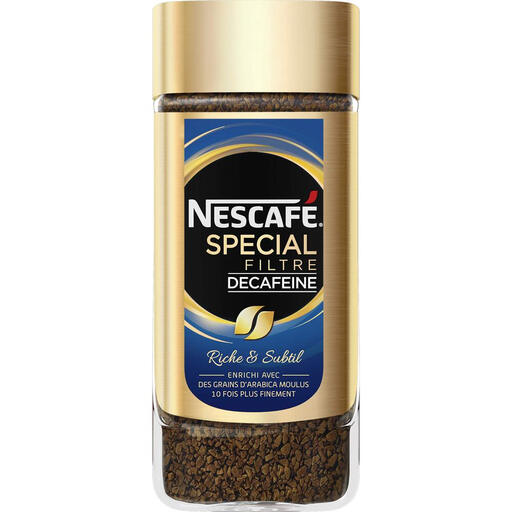 Image unavailable
For serving decaffeinated coffee made up in a cup, without filtering.
Instant coffee in a 100 g jar; instructions recommend 1 to 2 teaspoons per 150 ml. This isn’t a pyramid tea bag.
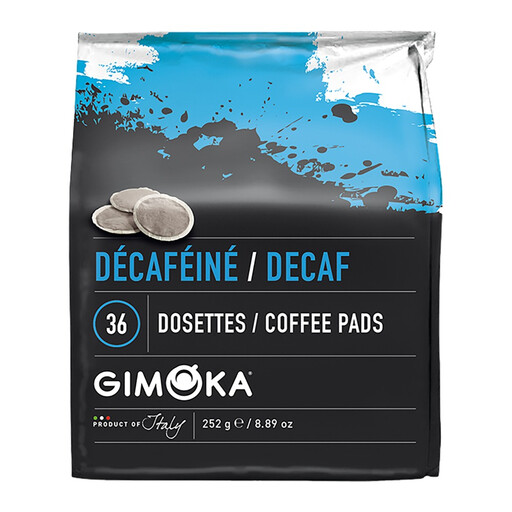 Image unavailable
For serving individual portions if your care home has a compatible Senseo machine.
Decaffeinated roasted ground coffee, an Arabica-Robusta blend, in 36 pods. These are coffee machine pods, not pyramid tea bags for brewing.
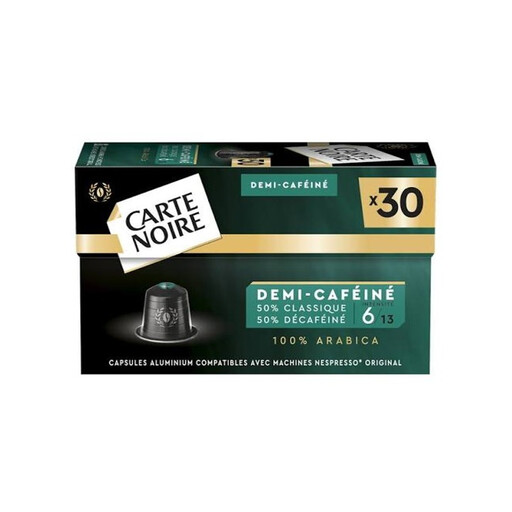 Image unavailable
For serving coffee in capsules when your machine is Nespresso-compatible.
Decaffeinated ground coffee in 30 aluminium capsules. These capsules aren’t pyramid tea bags.
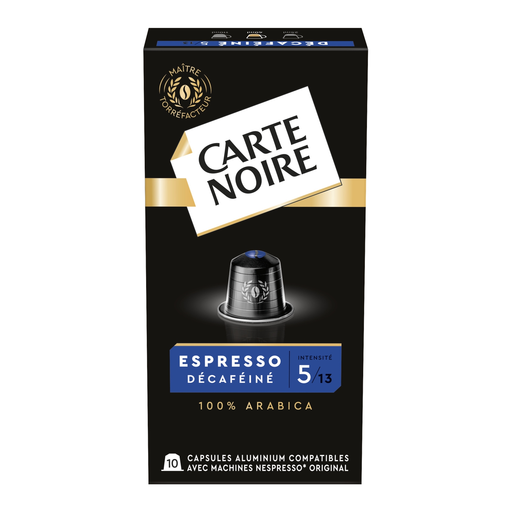 Image unavailable
For making individual portions of decaffeinated espresso with a compatible Nespresso machine.
100% Arabica decaffeinated ground coffee, stated intensity 5, in 10 aluminium capsules. This format requires a compatible machine.
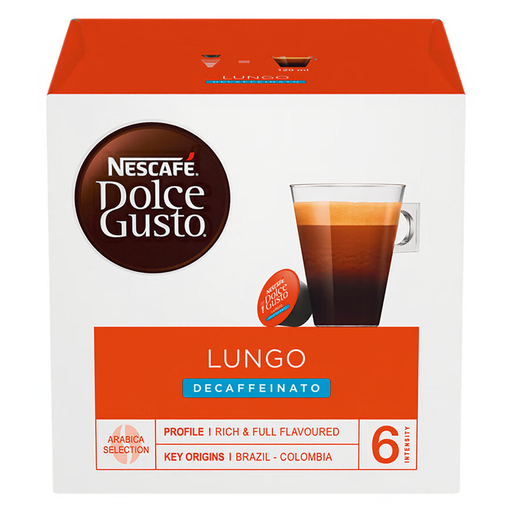 Image unavailable
For serving coffee in capsules if your care home has a compatible Dolce Gusto machine.
Decaffeinated ground coffee in capsules, not pyramid tea bags. Check the number of capsules shown on the pack before ordering.
No. The choice must follow each resident’s care plan. Anses notes that the effects of caffeine vary from person to person, so also take account of the care team’s guidance and other sources of caffeine.
Ask for product details that confirm the coffee is decaffeinated, specify the tea bag and provide preparation instructions. Don’t assume the shape of the tea bag means it will make a better brew; a sample lets you assess the drink prepared using the care home’s equipment.
Instant coffee can be made up in a cup without filtering, while ground coffee requires a suitable coffee maker and preparation in advance. Carrefour describes Nescafé Spécial Filtre Décaféiné as instant coffee; Auchan says its Carte Noire decaffeinated ground coffee is suitable for a filter or manual coffee maker.
No. Coffee offered with a meal doesn’t replace the care home’s hydration arrangements. In its advice for hot weather, the public information website Pour-les-personnes-agees.gouv.fr recommends that older people drink regularly and avoid drinks with a high caffeine content.
Check the coffee description, ingredients, allergen information, quantity, and storage and preparation instructions for the product you’ve chosen. Also confirm that the format works with your service’s equipment and that supply will meet the needs of the planned meals.