People in charge of a room with a Nespresso machine
You’re looking for decaf capsules labelled as compatible with the room’s machine, in a pack size that suits the number of coffee breaks planned.


For a coffee break during a meeting, first choose a decaf coffee in a format that works with the exact machine available: Nespresso-compatible capsules, Dolce Gusto capsules and soft coffee pods are not interchangeable. Once you’ve found suitable options, compare the number of servings and the stated intensity. Don’t assume that ‘decaffeinated’ means completely caffeine-free.
You’re looking for decaf capsules labelled as compatible with the room’s machine, in a pack size that suits the number of coffee breaks planned.
You need to plan enough servings for the group without buying a large pack before checking the machine system and participants’ preferences.
You’d like to offer a decaf option during the meeting, while bearing in mind that decaffeinated coffee may still contain residual caffeine.
The machine determines which format to buy. You can then compare pack size and intensity across products that work with the same system.
| What to consider | What to check | Who should prioritise it |
|---|---|---|
| Compatibility | Check the machine system, then look for the same compatibility on the packaging. Nespresso capsules won’t work in a Dolce Gusto machine or with a soft-pod machine. | If the room already has a machine, I want to avoid ordering a format I can’t use. Around 33% of consumers would make compatibility their top priority. |
| Number of servings | Compare the number of capsules or pods in each pack with the breaks you’ve planned. Check the system before stocking up. | When several meetings are planned, I look for a pack size that helps me avoid running out of servings. This would be the main concern for around 27% of consumers. |
| Intensity | Use intensity as a guide within a range, but don’t assume that different brands use equivalent scales. Try a smaller pack before choosing one for the group. | I’d rather find out what participants think before serving the same product every time. Intensity and group preferences would come first for around 20% of consumers. |
| Decaffeination | Check that the product is labelled ‘decaffeinated’. Don’t assume this means it contains no caffeine at all. | I want to offer an option for people limiting their caffeine intake, without presenting it as caffeine-free. Around 20% of consumers would put this need first. |
The word ‘pod’ alone doesn’t tell you which formats a machine accepts. Nespresso-compatible capsules, Dolce Gusto capsules and soft coffee pods are different formats.
Before stocking up for a meeting, check the machine system and compare it with the compatibility details on each pack.
Choosing the wrong format could leave you with a whole pack you can’t use in the meeting room’s machine.
France’s DGCCRF reports residual caffeine in its investigation into decaffeinated coffee. So the word ‘decaffeinated’ alone doesn’t mean that the product contains none.
Check the product description, and don’t infer the amount per cup from the word ‘decaffeinated’ alone.
The intensity ratings on the products reviewed can help you tell them apart, but they don’t provide a standard way to compare taste between brands.
If you don’t know the group’s preferences, try a small compatible pack before choosing a product for several meetings.
Carrefour France lists a box of 30 Carte Noire decaf espresso capsules, with an intensity of 5, compatible with Nespresso machines.
Carrefour France lists a decaffeinated Carrefour Bio option, compatible with Nespresso machines and with an intensity of 6.
Auchan France lists decaf espresso capsules compatible with Nespresso machines, with an intensity of 6/12.
E.Leclerc’s coffee pod and capsule range includes several decaf Plantation formats, including capsules and soft pods.
Nescafé France offers decaffeinated coffee in several formats, including Dolce Gusto capsules.
If you’re considering Jacobs for a decaf break, start with a specific product rather than the brand name alone.
These decaf options are designed for Nespresso Original, Lavazza A Modo Mio, Senseo or Dolce Gusto machines. First, check which system is available in the room: the capsules and pods in this selection are not interchangeable.
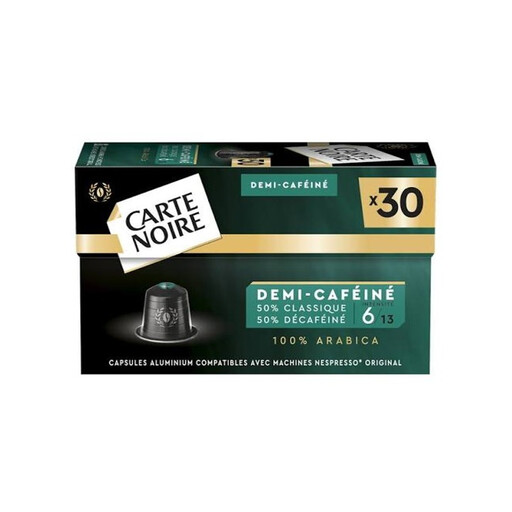 Image unavailable
Worth considering for several breaks if your machine accepts Nespresso Original-compatible capsules. Check the machine’s exact system before choosing this pack.
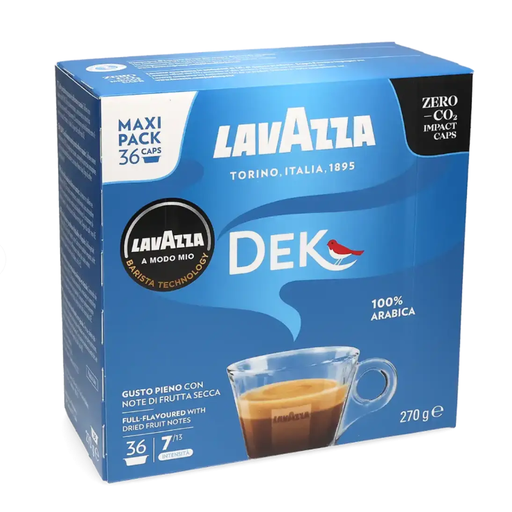 Image unavailable
For a meeting room with a Lavazza A Modo Mio machine. These decaf capsules are designed for this system, so don’t choose them for a machine that uses a different format.
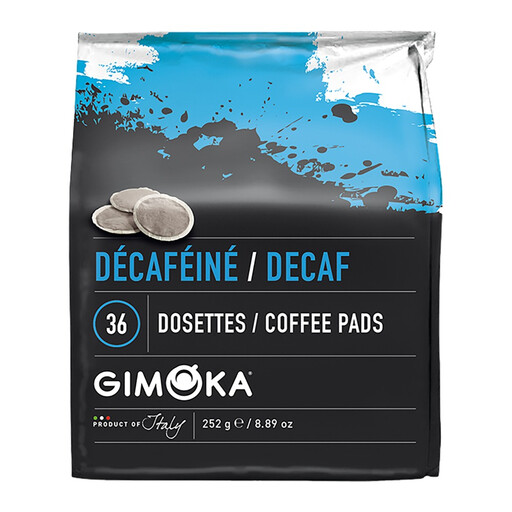 Image unavailable
Consider this option for serving several people if your coffee machine accepts Senseo-compatible soft pods rather than rigid capsules.
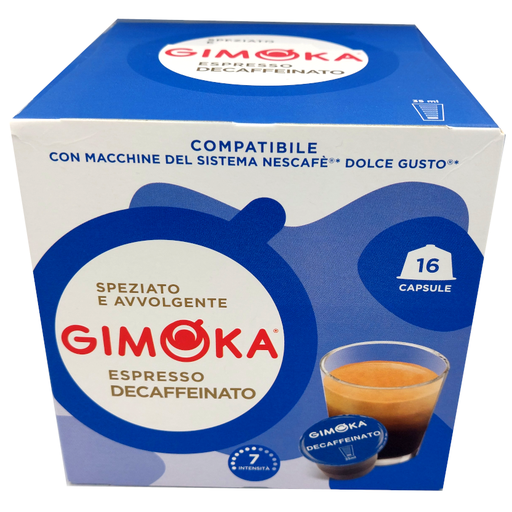 Image unavailable
For a coffee break with a machine that accepts Dolce Gusto-compatible capsules. This format won’t work with Nespresso machines or soft-pod machines.
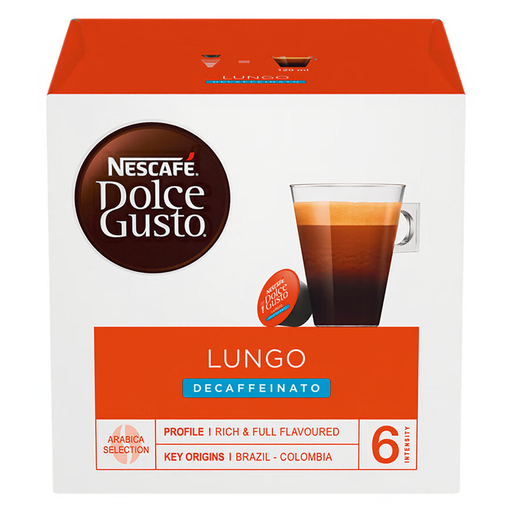 Image unavailable
A decaf lungo coffee option to consider if the meeting room’s machine uses the Dolce Gusto system. Check the system before ordering.
No. Only choose a capsule if it’s compatible with the machine’s specific system. Dolce Gusto capsules and soft coffee pods are different formats. Check the machine and packaging before planning servings for the meeting.
No. The ‘decaffeinated’ label doesn’t guarantee that a product contains no caffeine at all. France’s DGCCRF discusses residual caffeine in its investigation into decaffeinated coffee. For a particular product, don’t infer the amount per cup from its description alone.
No. The number of capsules alone isn’t enough to determine caffeine intake, which depends on the product and any other sources consumed. The European Food Safety Authority considers intake from all sources, so an individual limit can’t be directly translated into a number of capsules.