
Livraison le jour même ou le lendemain

Qualité garantie

Débloquez vos offres de bienvenue: Livraison GRATUITE | Jusqu'à -80 % | 30 jours d'essai gratuits à JoyPlus
Téléchargez l'application
By our product experts, 07/05/2026
A fender bender in a car park, a hit-and-run, or simply the desire to capture a memorable road trip: there are plenty of reasons to get a dashcam. But with an overwhelming number of options on the market, it's hard to know where to start. This guide is here to break down the criteria that truly matter and help you make the right choice, without drowning you in unnecessary technical jargon.
Before rushing to buy the first model you see, it's essential to understand the features that will make a difference in your daily use. Here are the key points to check to find the perfect car camera for your needs.
This is the most critical aspect. Impeccable video quality is crucial for identifying a license plate or analysing the precise circumstances of an incident.
A front and rear dashcam provides nearly complete protection. The front camera records the road ahead, while the rear module watches your back. This setup is highly recommended for documenting rear-end collisions, which are particularly common in cities and traffic jams. Single-channel models (front camera only) are still a relevant and more affordable solution for securing the essentials.
Certain options transform a simple camera into a true guardian angel.
Here are a few models that stand out from the crowd, designed for different types of drivers.
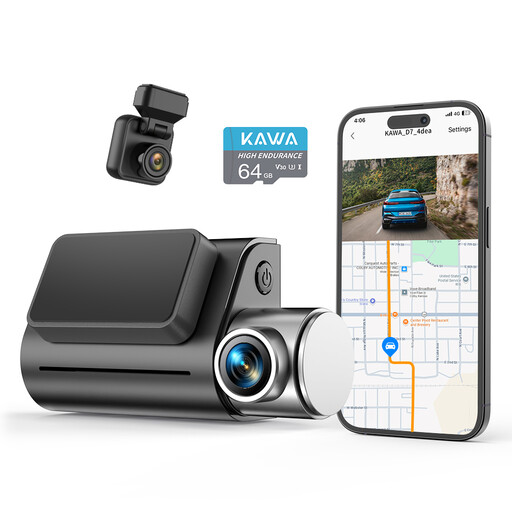
Why it stands out: This model is a complete, turn-key solution. It combines 4K resolution at the front and 2K at the rear, ensuring excellent image quality from both angles. The included 64GB memory card is a real bonus that saves you an extra purchase.
Key features:
Who is it for??: Drivers looking for a high-performance, all-in-one solution that is easy to install and ready to use right out of the box.
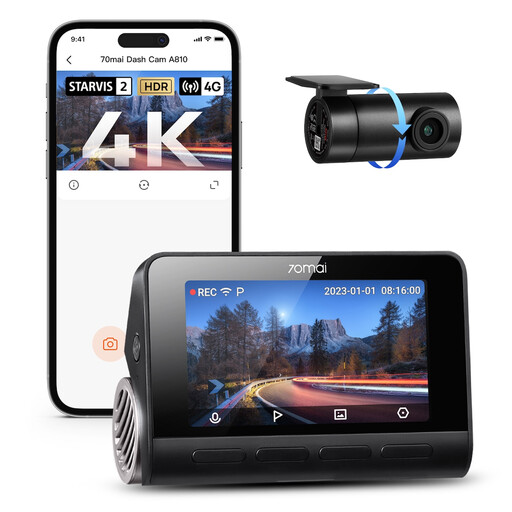
Why it stands out: The 70mai A810-2 goes all-in on image quality, especially in low light. It features two Sony STARVIS 2 sensors, the industry benchmark for night-time performance. Its quality was recognised by German publications Autobild.de and Computerbild.de, which awarded it a "Good" rating in their 2024 tests.
Key features:
Who is it for??: Drivers who demand the best video quality, day and night, and those who want advanced features like remote monitoring (via the separately sold 4G module).
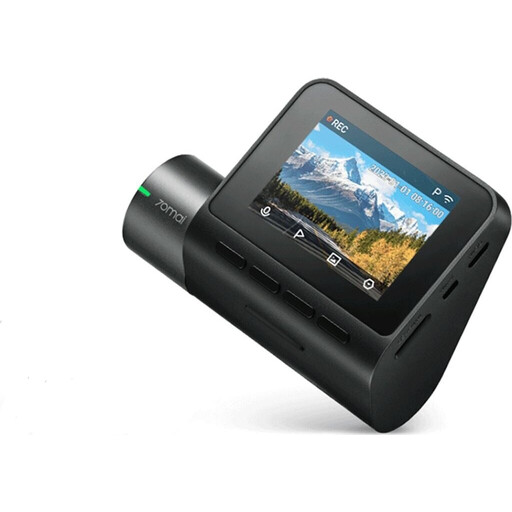
Why it stands out: This model gets straight to the point, and does it very well. It records in 1080p at 60 frames per second, which produces a much smoother and clearer video in motion than the 30 FPS standard. It's the ideal entry point for securing your journeys without breaking the bank.
Key features:
Who is it for??: Drivers looking for a first dashcam that is reliable, simple, and effective for monitoring only the front of the vehicle.
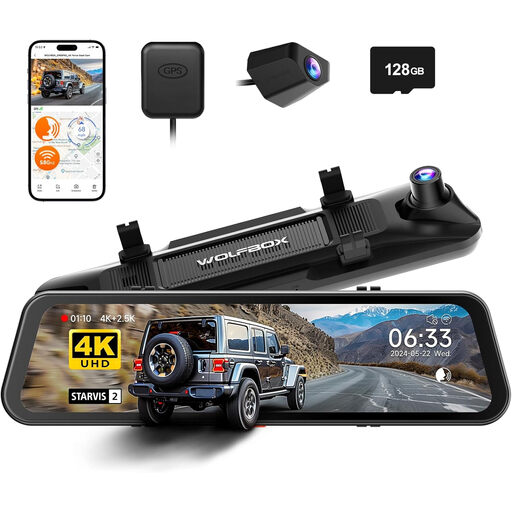
Why it stands out: The G900 PRO is a game-changer with its original design: it replaces your central rear-view mirror with a huge 12-inch screen. This concept offers an unobstructed, panoramic rear view while integrating a 4K dashcam at the front and a 2.5K camera at the rear.
Key features:
Who is it for??: Ideal for large vehicles (SUVs, vans) or for those who want to modernise their cockpit with an XXL digital display for the rear view, without sacrificing recording quality.
Most dashcams require a microSD card to save videos. It is crucial to choose a "High Endurance" card, specifically designed to withstand the intensive read/write cycles of an in-car camera. A standard card, not intended for this use, is likely to wear out prematurely and fail you at the worst possible moment, making your recordings unusable.
To ensure you choose a reliable and compatible memory card, take a look at our selection of SD Cards.
Yes, using a dashcam is perfectly legal in France for private use. The recordings can be presented as preliminary evidence in court, although their value is left to the judge's discretion. However, a few rules apply: the camera must not obstruct the driver's field of vision, and if you publish a video publicly, you must blur faces and license plates to respect the right to privacy and personal data protection (GDPR).
Parking mode monitors your car when you're not there. It is activated in two ways: either via a shock sensor (G-sensor) that starts recording in case of an impact, or by motion detection that records any activity near the vehicle. To work, the camera must be continuously powered, which requires the installation of a hardwire kit connected to the car's fuse box.
It's all a matter of budget and requirements. A Full HD (1080p) resolution is sufficient in most cases and represents an excellent compromise. However, a 4K dashcam offers superior clarity that can really make a difference when trying to read a distant license plate or in poor light conditions. If your budget allows, 4K provides extra peace of mind.