Who are these formats for?

Fans of a pronounced cocoa flavour

You want to tell the difference between a cake that lists dark chocolate as an ingredient and one that is simply described as chocolate-flavoured. Compare the proportion of dark chocolate or cocoa shown on each pack. If the label also gives it, check the cocoa content of the chocolate used too: these two percentages mean different things.

Anyone serving a warm dessert

A chocolate fondant could be a good choice if you plan to prepare it at mealtime. Before choosing between individual portions and a cake to share, check the number of servings, reheating instructions and storage conditions for the specific product.

Fans of individually portioned snacks

If you want something to enjoy with tea or coffee without preparing a whole dessert, dry biscuits and individual packs offer a different way to serve chocolate. Their crunchy texture won’t satisfy the same craving as a warm, gooey centre, though.

What should you look for before buying?

For a winter meal, start with what matters most to you: the amount of dark chocolate in the recipe, how you’ll serve the dessert, or the information you need to check on its label.

What to consider What to check Who it’s for
Amount of dark chocolate The proportion of dark chocolate or cocoa in the recipe; separately, the cocoa content of the chocolate, if stated. I want the cocoa flavour to matter more than the dessert’s presentation. Around 42% of consumers might put this check at the top of their list.
Texture and serving style The number of portions and the preparation instructions for the product you choose. For a meal, I’d rather serve a warm fondant or a cake to share than a biscuit. This would be the top priority for around 33% of consumers.
Labelling and storage Allergens, nutritional values per 100 g and storage instructions. Before choosing a texture, I need to be able to check the ingredients and store the product as directed. Around 25% of consumers would focus on these points first.

Common misconceptions to avoid

  • Assuming ‘dark chocolate’ tells you the cocoa content of the whole cake

    The proportion of dark chocolate in a recipe isn’t the same as the cocoa percentage of the whole cake. For example, St Michel lists 21% dark chocolate in its Galette gourmande, while Carrefour lists 14% in its Extra chocolate fondant cake. These figures show the proportion of dark chocolate stated for each product.

    If cocoa intensity is important to you, distinguish between the amount of dark chocolate in the recipe and the cocoa content of the chocolate itself, where this is specified on the label.

  • Buying biscuits when you’re expecting a warm dessert

    Dry biscuits to enjoy with a drink and a gooey-centred fondant to warm up have different textures, preparation requirements and storage needs.

    Decide whether you want something crunchy, an individual gooey portion or a cake to share, then check the preparation method and number of portions on the pack.

  • Assuming ‘dark chocolate’ means there are no allergens

    Dark chocolate cakes and biscuits may contain ingredients such as wheat, milk, egg or soya. Ingredients and potential traces vary from product to product.

    If you have an allergy, check the ingredients list and any ‘may contain’ warnings on the packaging of the product you buy.

  • Comparing only the values per portion

    A pot, a few biscuits and a slice of cake can all have different weights. Their figures per portion therefore aren’t always directly comparable.

    Compare the nutritional information per 100 g, then take into account how much you plan to serve.

Brands to consider by format

St Michel

The range includes a Galette gourmande with dark chocolate, in a portioned dry biscuit format.

  • St Michel’s product information lists 21% dark chocolate and four individual packs of three biscuits for this galette.
  • The percentage refers to the dark chocolate in the recipe, not the biscuit’s overall cocoa content. Check the allergens listed for this product too.

Carrefour

Two formats suit different occasions: the 450 g Carrefour Extra chocolate fondant cake and the Carrefour Selection Cœur Fondant, in two 90 g pots.

  • Carrefour’s product information lists 14% and 9% dark chocolate in these recipes respectively. For the Cœur Fondant, it also lists 6% cocoa powder.
  • The sharing cake and individual pots may need to be prepared and served differently, so follow the instructions for each product.

Auchan Bio

Auchan Bio’s dark chocolate fondant dessert comes in two 90 g portions.

  • This format gives you two individual desserts to warm up according to Auchan’s product instructions.
  • The product information says to store it between 0 °C and +6 °C. Check that you can store it this way before buying.

Côté Table Dessert (E.Leclerc)

The range includes frozen chocolate fondants in two portions.

  • E.Leclerc’s product information lists 22% dark chocolate in this recipe.
  • The recipe includes ingredients such as egg, butter, wheat, milk and soya. Check the product label if any of these are a concern for you.

Dark chocolate biscuits available on Joybuy

These two biscuit formats are ideal with a hot drink or as an after-meal snack. If you’re looking for a gooey-centred dessert to serve warm, choose a product in that category based on its preparation instructions instead.

PETIT ECOLIER Dark chocolate 150 g

PETIT ECOLIER Dark chocolate 150 g

This dark chocolate biscuit is a crunchy treat to enjoy with a hot drink, rather than a gooey dessert to serve warm.

If ingredients are important to you, check the ingredients list and allergen information on the packaging.

View on Joybuy
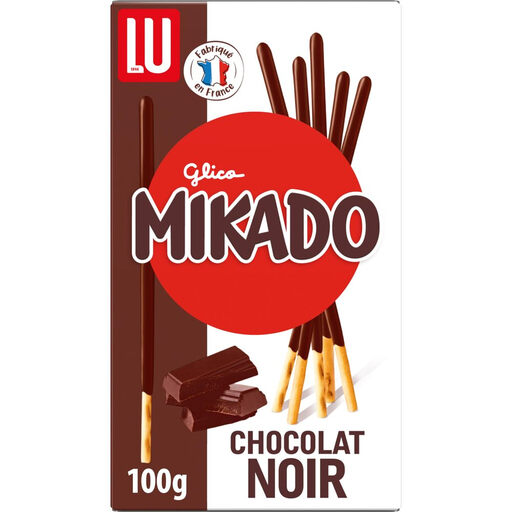
Mikado Dark Chocolate 100 g

Mikado Dark Chocolate 100 g

These biscuit sticks are perfect when you fancy a crunchy snack, but they’re not for making a gooey cake to serve with a meal.

If you’re looking for a specific cocoa intensity, check the cocoa content of the chocolate on the packaging. Remember to check the allergen information too.

View on Joybuy

Frequently asked questions

Does ‘dark chocolate’ mean the whole cake has a high cocoa content?

No. On its own, this wording doesn’t tell you how much cocoa the whole cake contains. To compare recipes, look for the stated proportion of dark chocolate or cocoa in each one, and don’t confuse this with the cocoa content of the chocolate used.

Which allergens should I check in a dark chocolate cake?

Check the packaging for the product you’re considering, as dark chocolate doesn’t rule out other ingredients. The recipes featured here may contain wheat, milk, egg or soya. The French Directorate-General for Competition Policy, Consumer Affairs and Fraud Control reminds consumers that allergenic ingredients must be highlighted in the ingredients list.

How can I compare the sugar and fat in two different formats?

First compare the nutritional values per 100 g, so you’re comparing like with like, then consider how much you’ll serve. The French Directorate-General for Competition Policy, Consumer Affairs and Fraud Control states that nutritional information is given per 100 g or 100 ml.

What should I check before buying a chilled or frozen fondant?

Before choosing a format to warm up, check its storage temperature, date and preparation instructions. For a product with a use-by date, the French Directorate-General for Competition Policy, Consumer Affairs and Fraud Control says you must not eat it after that date.