
当日/次日达

品质保障

开启新人专享福利: 全场免邮 | 低至 2 折 | 免费试用 30 天 JoyPlus 会员
下载 Joybuy
Dark spots, post-acne marks, sun spots and uneven skin tone can’t all be treated with the same active ingredients. Yet many anti-spot serums are marketed as universal solutions. Before you buy, it’s worth separating the marketing promise from the actual formula and how to use it.
A claim like “visible in just a few days” can’t predict how every skin type will react. The results brands highlight are sometimes based on self-assessments or consumer tests carried out on a small number of participants. NIVEA, for example, states – following a self-assessment with 66 women – that the appearance of spots was reduced after 7 days of using its Luminous630 serum. This information should be taken as a brand communication, not as a personal guarantee.
A serum with vitamin C or niacinamide can help improve the appearance of an uneven complexion, without necessarily being suitable for clogged pores or breakouts. Conversely, a salicylic acid serum designed for combination to oily skin may feel less comfortable on dry or reactive skin.
A treatment designed to even out your skin tone does not replace sun protection. Ultraviolet rays can make sun spots look worse and disrupt the consistency of your routine. If the formula contains exfoliating acids or several targeted active ingredients, applying a broad-spectrum sunscreen every day is an essential precaution.
To choose a depigmenting serum or a serum for dark spots, start by looking at the ingredients at the top of the INCI list:
The presence of an active ingredient alone doesn’t predict how well the product will be tolerated. The concentration, the order of ingredients, the presence of fragrance or denatured alcohol, and how it’s combined with other products all play a role.
If you have sensitive skin, opt for a gradual routine and avoid introducing several active ingredients at once. Formulas containing acids, fragrance or alcohol may require extra caution.
For combination to oily skin, an anti-blemish serum with niacinamide and salicylic acid can meet the need for a lightweight texture and less visible pores. For dry or mature skin, a formula enriched with glycerin, hyaluronic acid, squalane or ceramides will offer more comfort.
If your skin reacts easily, start by applying the serum every other evening. Do a patch test on a small area before first use, especially with a tranexamic acid serum combined with other active ingredients or with an exfoliating product. Apply the treatment to clean skin, then follow with a moisturiser. If you experience redness, itching or a persistent burning sensation, stop using it and seek advice from a healthcare professional.
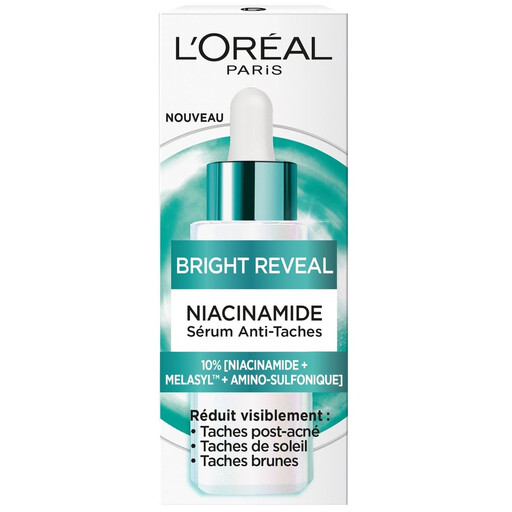
Why this choice suits this profile: Its formula combines niacinamide, glycolic acid, a salicylic acid derivative and sodium hyaluronate. It can suit someone looking to start a targeted routine with a lightweight texture and a dropper bottle.
The formula lets you check the active ingredients rather than relying solely on the “anti-spot” claim. Sun protection is still recommended during the day.
10% niacinamide according to the brand, a reportedly lightweight texture and a 30ml size.
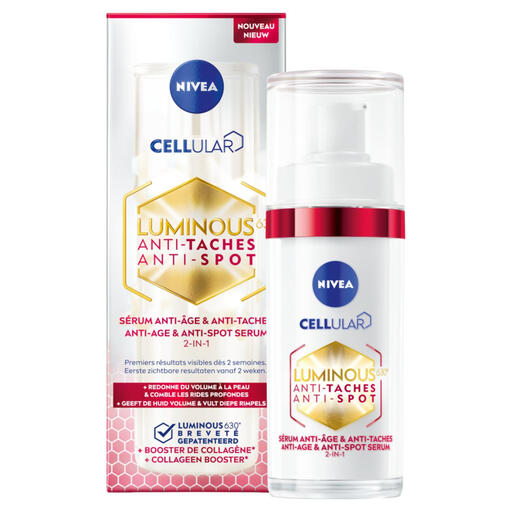
Why this choice suits this profile: This serum combines Thiamidol, hyaluronic acid and an anti-ageing dimension. It’s aimed at adults looking for a treatment that targets both spots and the appearance of wrinkles.
The brand recommends not exceeding four daily applications of products containing Thiamidol. This guidance limits the risk of overuse.
The formula contains glycerin, squalane and sodium hyaluronate, offering an action aimed at both spots and signs of ageing.
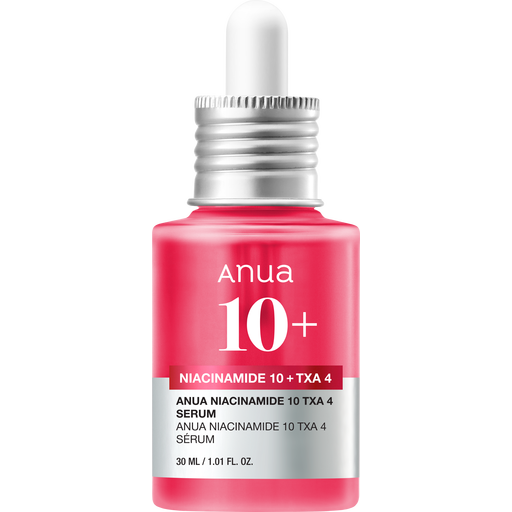
Why this choice suits this profile: Its stated formula brings together 10% niacinamide, 4% tranexamic acid, arbutin and several forms of hyaluronic acid. It suits a routine that targets both uneven skin tone and hydration.
The stated percentages make comparison easier. However, introduce the product gradually and avoid combining it with several exfoliants from the start.
Tranexamic acid, arbutin, niacinamide and hydrating agents combined in a 30ml bottle.
We’ve put together a comprehensive, real-time selection of products that meet these strict criteria and the requirements of European safety regulations.
It depends on the formula and your skin’s tolerance. A hydrating treatment with niacinamide can more easily fit into a daily routine, whereas a serum containing glycolic acid or salicylic acid should be introduced gradually. Always follow the manufacturer’s recommendations.
You generally need to maintain a regular routine and observe the results over several weeks. The timeframes brands mention, such as 7 days or 8 weeks, are based on their own protocols and don’t guarantee personal results. Also consider sun exposure and how long the marks have been present.
It’s possible, but combining several active ingredients can increase the risk of discomfort. It’s better to alternate products rather than immediately layering niacinamide, vitamin C, acids and other targeted treatments. A simple, gradual routine, paired with sun protection, will be easier to stick to every day.