
Livraison le jour même ou le lendemain

Qualité garantie

Débloquez vos offres de bienvenue: Livraison GRATUITE | Jusqu'à -80 % | 30 jours d'essai gratuits à JoyPlus
Téléchargez l'application
Dark spot and brightening skincare can address a range of concerns: post-acne marks, sun-induced dark spots, dull complexion, uneven pigmentation and dark circles. But a simple promise of "glowing skin" isn't enough to choose the right product. Texture, ingredients and skin tolerance are just as important as the active ingredient highlighted on the bottle.
A serum with vitamin C, niacinamide or tranexamic acid can meet certain needs. But the presence of a single ingredient doesn't tell you about the formula as a whole. Remember to check for hydrating agents, fragrances, essential oils and preservatives too.
Niacinamide, for example, features in many products designed to improve the appearance of your complexion. It can be combined with hyaluronic acid, centella asiatica or squalane to make the formula more comfortable. Conversely, several potentially stimulating actives in one product may need to be introduced gradually, especially on sensitive skin.
Some products give an immediate impression of radiance thanks to their texture, smoothing agents or light-reflecting pigments. That doesn't necessarily mean they target dark spots in the long term.
To build a consistent routine, choose formulas that clearly state their goal: even skin tone, visible marks, hyperpigmentation or facial radiance.
A dark spot treatment struggles to find its place in a routine without morning sun protection. Ultraviolet rays can make pigment irregularities more noticeable.
Apply a suitable sunscreen after your serum and moisturiser, following the manufacturer's instructions. This precaution doesn't replace a dermatologist's advice if a spot appears, changes in appearance or concerns you.
Here are some active ingredients and combinations commonly used in Korean anti-spot skincare and dermocosmetic products:
The INCI list on the back of the packaging remains the best reference to consult, as formulations can change.
A 30ml or 50ml dark spot serum is generally intended for the face and neck. An anti-dark circle eye cream, on the other hand, targets a much smaller area. Hydrogel eye patches are used occasionally, often for 15 to 30 minutes, and don't necessarily replace a daily treatment.
Also check:
Before the first application, do a patch test on a small area, following the manufacturer's recommendations. Start with one targeted active rather than layering several serums.
If you experience persistent redness, itching or discomfort, stop using the product and seek advice from a healthcare professional.
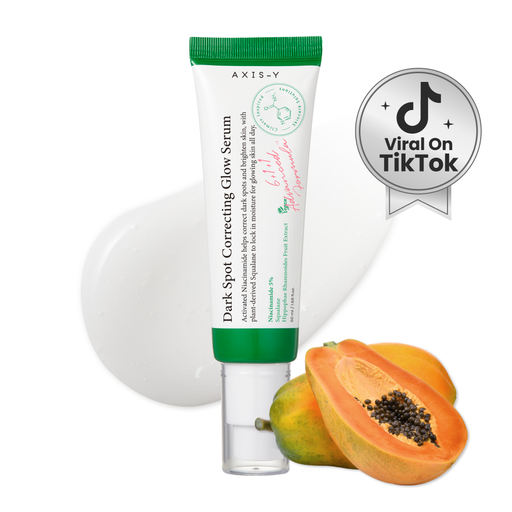
Why this choice suits this profile: at 50ml, this niacinamide serum fits easily into a daily facial routine without multiplying products.
The formula doesn't just promise a glow effect: it combines niacinamide, squalane, glycerin and rice bran extract. The INCI list lets you check its composition precisely.
A reportedly lightweight texture, niacinamide and squalane, with application possible over the whole face or just on targeted areas.
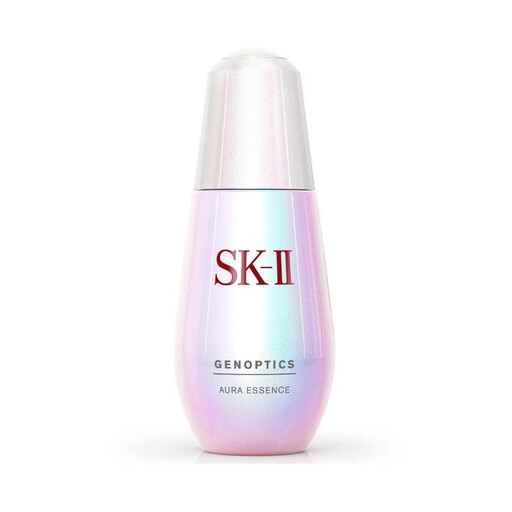
Why this choice suits this profile: this 50ml serum is aimed at those seeking a refined texture and a radiance-focused routine, with a budget to compare before deciding.
The formula highlights a fermentation filtrate and niacinamide. Check its composition on the packaging and don't take the brand image as a guarantee of individual results.
A 50ml format, morning and evening application as recommended by the brand, and a texture designed for the face and neck.
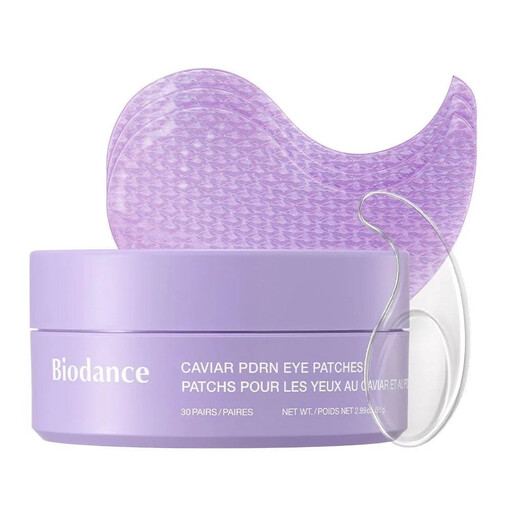
Why this choice suits this profile: its 30 pairs are suitable for regular use around the eyes, especially if you enjoy occasional treatments applied after cleansing.
The format clearly states the number of patches and the recommended application time of 15 to 20 minutes. This makes it easier to plan applications without overestimating how long a pot will last.
60 hydrogel patches, with caffeine and niacinamide in the formula. Their shape is designed for the under-eye area and other zones, according to the manufacturer's instructions.
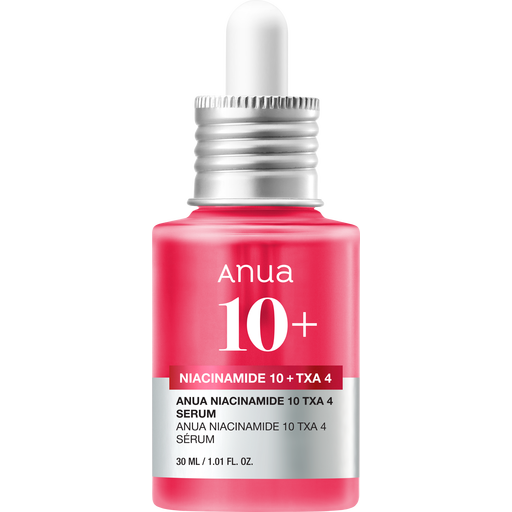
Why this choice suits this profile: its quantified composition makes comparison easier for those seeking an anti-pigmentation treatment with clearly identified active ingredients.
The stated concentrations of niacinamide and tranexamic acid are in the product name. It's still essential to test your tolerance and avoid adding other actives too quickly.
10% niacinamide, 4% tranexamic acid, arbutin and several forms of hyaluronic acid, according to the stated composition.
We've put together a comprehensive, real-time updated selection of products meeting these exacting criteria, in compliance with European safety regulations.
In the morning, cleanse your face, then apply a radiance or anti-spot serum, a moisturiser and sun protection. In the evening, stick to cleansing, a targeted treatment and a moisturiser suited to your skin type.
For the eye contour, apply a small amount of product by tapping, without rubbing. Hydrogel eye patches can be reserved for times when the area feels dehydrated or tired. Stay vigilant during application and avoid any direct contact with the eye.
The perception of a more even complexion varies depending on the product, frequency of application and the origin of the spot. Follow the usage period stated on the packaging and avoid changing your routine every week. Regularly applied sun protection remains essential.
These actives can coexist in some formulas. However, layering them across several products can increase the risk of discomfort, especially if your skin is reactive. Introduce one new product at a time, alternate if necessary and check the INCI list as well as the manufacturer's precautions.
Start by identifying what's dominant: dark colouring, dehydration or puffiness. An anti-dark circle eye cream can improve the feeling of hydration, while patches are more suited to occasional use. If the colouring persists or changes, a dermatologist's opinion will help determine the cause more precisely.