
Livraison le jour même ou le lendemain

Qualité garantie

Débloquez vos offres de bienvenue: Livraison GRATUITE | Jusqu'à -80 % | 30 jours d'essai gratuits à JoyPlus
Téléchargez l'application
Are you tackling a recipe for Dongpo pork, braised chicken, or stir-fried noodles, and the ingredient list calls for "dark soy sauce"? Be careful, this isn't the same one that comes with your sushi. Dark soy sauce, also known as black soy sauce, is a condiment in its own right: thicker, less salty, and often sweeter than its cousin, light soy sauce. Its purpose? To give your dishes a deep, appetizing mahogany color while adding caramelized notes and a complex umami flavor.
Faced with the overwhelming number of bottles on shelves or online, it can be hard to know where to start. This guide is here to bring you clarity and help you choose the perfect dark soy sauce for your needs, whether for braised dishes or an Asian marinade sauce.
To find the perfect bottle that will elevate your recipe, here are a few criteria to look out for.
The first thing that sets a dark soy sauce apart is its consistency. Unlike the very liquid light soy sauce, it is more viscous, almost syrupy. This thick soy sauce texture comes from a longer fermentation process and the addition of molasses or caramel. This is what gives it its exceptional coloring power. A few tablespoons are all it takes to transform a somewhat pale dish into a richly amber-colored creation.
When it comes to taste, not all dark soy sauces are created equal. Some, like sweet soy sauce, are enriched with sugar or glucose syrup, making them ideal for glazes (like for Peking duck) or sweet and sour dishes. Others, like mushroom soy sauce, incorporate mushroom extracts to provide a deeper, earthier umami depth, perfect for stews and braised dishes. A quick look at the ingredient list will give you a good idea of the flavor profile.
Your choice will obviously depend on what you plan to do with it. For an Asian marinade sauce, it not only provides color but also a rich flavor base that permeates the meat. For braised dishes, it is essential for achieving the characteristic color and depth. If you simply want to add a touch of color at the end of cooking, a classic version will do the trick.
To guide you in buying soy sauce online, we have selected several products with varied profiles, each suited for a specific use.
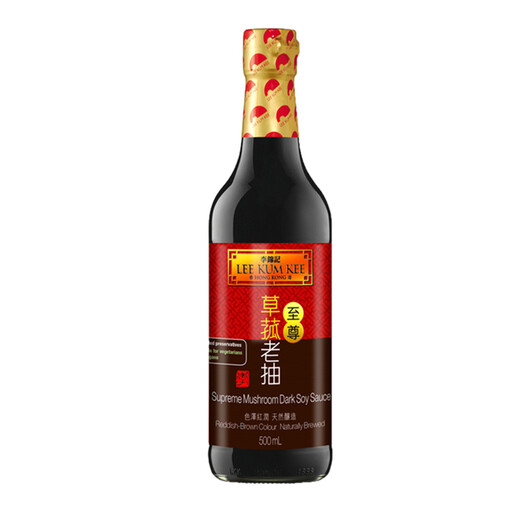
Why we love it: Its secret? The addition of straw mushroom extract, which boosts its umami profile and gives it a unique aroma. Lee Kum Kee is a go-to brand for Chinese sauces, renowned for its consistent quality.
Key features:
Who is it for? For those who want to give a deep umami flavor and a beautiful color to their braised dishes, stir-fries, or marinades.
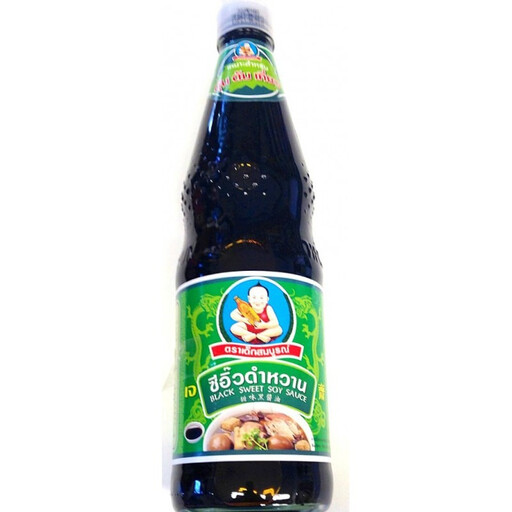
Why we love it: This sweet soy sauce from the Thai brand Healthy Boy is a true syrup. Very thick and sweet, it is dominated by brown sugar and glucose syrup, making it ideal for glazes.
Key features:
Who is it for? For fans of Thai and Chinese cuisine who enjoy dishes with a distinct sweet touch, like caramelized pork or barbecue marinades.
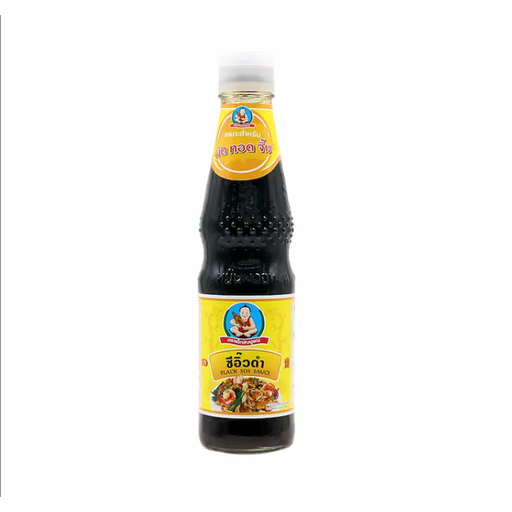
Why we love it: With 70% molasses, this version (yellow label) is primarily a coloring agent. Its flavor is simpler than others, but its effectiveness in darkening a dish is unbeatable.
Key features:
Who is it for? For those who are mainly looking to color their dishes (noodles, fried rice, meats) without adding an overly sweet flavor.
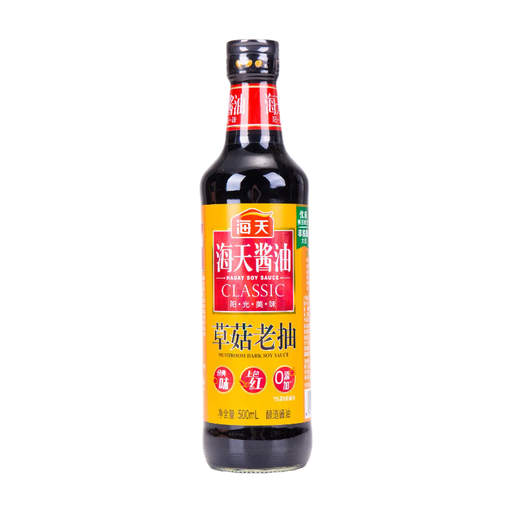
Why we love it: Haday offers another excellent option featuring mushroom extract. It strikes a perfect balance between intense color, moderate saltiness, and umami notes.
Key features:
Who is it for? An excellent choice for cooks looking for a versatile dark soy sauce that can provide both deep color and a subtle umami flavor to their dishes.
The world of dark soy sauce is vast. If our suggestions don't quite meet your expectations, or if you're simply curious to discover other varieties (sweeter, thicker, or from other regions of Asia), feel free to explore our catalog.
Explore our complete collection of black sauces to find the perfect condiment for your kitchen.
Light soy sauce is more liquid, saltier, and paler. It's used as a basic seasoning, much like salt in Western cooking. Dark soy sauce is thicker, less salty, often sweeter, and much darker. Its main role is to color dishes and provide a deep, caramelized flavor.
Absolutely not. Its flavor is too intense and its texture too thick to accompany sushi or sashimi; it would completely mask the delicate flavor of the fish. For sushi, you should always use a good quality light soy sauce.
Like most soy-based sauces, store it in a cool, dry place, away from light. Once the bottle is opened, the refrigerator is your best bet for preserving its flavors and extending its shelf life.