What should you check before buying?
First decide whether the chocolate will be shared or eaten individually, then compare the recipes and allergen information for the formats that suit your needs.
| What to consider |
What to check |
Who is this for? |
| Format and sharing |
Number of pieces or pack weight; individually wrapped portions or a sharing box. |
If I’m putting chocolates out in a meeting room, I mainly look for a format that everyone can help themselves to easily. Around 45% of consumers prioritise ease of serving and sharing. |
| Cocoa and ingredients |
Stated cocoa percentage, ingredients list and nutritional information per 100 g, particularly ‘of which sugars’. |
If I’m choosing dark chocolate for a personal break, I want to be able to tell the difference between cocoa strengths and compare recipes. Around 33% of consumers put this information first. |
| Allergens |
Allergens in the ingredients and ‘may contain’ warnings for the exact product. |
When I’m buying for a group with known dietary restrictions, I need to be able to check what each person can eat. Ingredient suitability is the top priority for around 22% of consumers. |
Dark chocolate for a break at work on Joybuy
These mini bars and chocolate bars are suited to an individual break or chocolate that you can portion out at work. For sharing without having to break up a bar, look instead at the number of pieces and the allergens listed on a box.
 Image unavailable
Lindt Excellence Mini, 70% dark chocolate, 35 g
The individual format is ideal for a personal break or handing out one at a time. This mini bar has a minimum cocoa content of 70%; its product listing states that it may contain nuts, milk and soya.
View on Joybuy
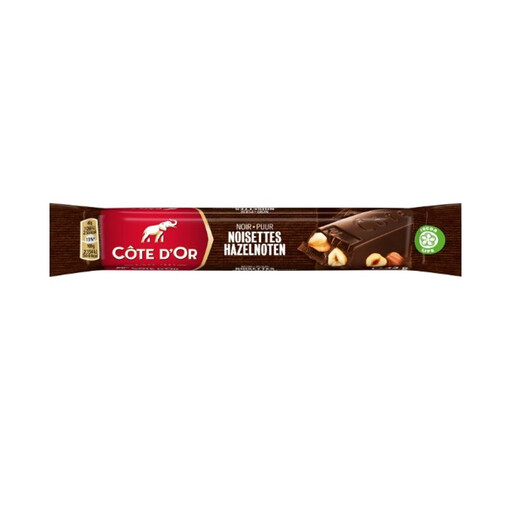 Image unavailable
Côte d'Or, dark chocolate and hazelnut bar, 45 g
This bar is an individual-break option if you’d prefer a hazelnut recipe to plain dark chocolate. The Joybuy listing names hazelnuts, milk and soya as allergens.
View on Joybuy
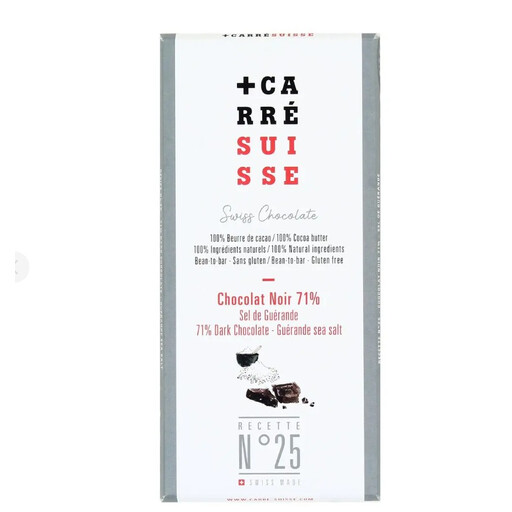 Image unavailable
CARRE, dark chocolate with Guérande sea salt, 100 g
This 100 g bar is a good choice if you’d prefer to portion out dark chocolate with Guérande sea salt yourself. If you’re sharing it with others, check the ingredients and allergens on the packaging.
View on Joybuy
 Image unavailable
Poulain, 70% dark chocolate bar, 100 g
This 100 g bar lets you choose a stated cocoa content of 70%, rather than an assortment of different strengths. Before sharing it, check the ingredients list and warnings on the packaging.
View on Joybuy
 Image unavailable
CARRE SUISSE, organic dark chocolate with lemon and green pepper, 100 g
This 100 g bar is for anyone looking for a recipe that combines dark chocolate, lemon and green pepper. If you’re sharing it at work, check that these ingredients suit the group and read the allergen information on the pack.
View on Joybuy
Frequently asked questions
Is a box of dark chocolate subject to the ‘soda tax’ in France?
No. A solid box of dark chocolate isn’t covered by the levy described by Légifrance, which applies to drinks and liquid preparations for drinks. When comparing boxes, look instead at their ingredients and the ‘of which sugars’ line in the nutritional information.
Is the Nutri-Score compulsory on a box of chocolates?
No. Santé publique France states that displaying it is voluntary. The DGCCRF says nutrition labelling is generally compulsory for prepacked foods, subject to applicable exemptions. Look for it on the packaging when comparing products.
How can you compare two dark chocolates if only one displays a Nutri-Score?
Compare their nutritional information per 100 g and their ingredients lists, taking fillings and inclusions into account. Where it’s shown, the Nutri-Score offers an additional point of reference; its absence doesn’t mean the other chocolate is a less suitable choice.
Is dark chocolate automatically suitable for people with milk or nut allergies?
No. The dark chocolate products listed by Lindt, Auchan and Carrefour show that ingredients and warnings vary from product to product. If you’re buying for a group, check the ingredients and ‘may contain’ warnings on every pack before making it available.
Where should you store dark chocolate for breaks at work?
Keep it somewhere cool and dry, away from heat and moisture, and follow the storage instructions for the product you’ve chosen. In particular, don’t leave a box near a radiator or in direct sunlight.


