Parents preparing a school snack
If several children are going to receive biscuits, check the allergens in each recipe, the pack format and the school’s rules before planning to hand them out.


For a children’s snack, first choose shortbread biscuits whose allergens are suitable for the children concerned and, if you’re sharing them, comply with the school’s rules. Then compare the suitable recipes by format and flavour: the words ‘dark chocolate’ alone don’t tell you the cocoa content, and individually wrapped portions are no substitute for checking the ingredients.
If several children are going to receive biscuits, check the allergens in each recipe, the pack format and the school’s rules before planning to hand them out.
Your child’s taste matters just as much as the name of the biscuit. Manger Bouger points out that a child may find a flavour too strong even when an adult considers it mild.
Comparing the nutritional information per 100 g and the number of biscuits served helps you see how the shortbread fits into the whole snack, without assuming what it contains from the words ‘dark chocolate’ alone.
For a children’s snack, start with allergens and rules on sharing food. You can then compare the flavour and portion size of recipes that are suitable.
| What matters | What to check | Who it matters to |
|---|---|---|
| Allergens and school rules | Read the ingredients and allergen information on the pack you choose; check the school’s rules before sharing the biscuits. | If I’m sharing biscuits with a class, I need to know whether every child can have this recipe. Around 42% of consumers would make this compatibility their top priority. |
| Dark chocolate flavour | Look for the difference between ‘dark chocolate’, ‘dark chocolate flavour’ and ‘chocolate’. Don’t confuse the proportion of chocolate in a recipe with its cocoa content. | If my child is trying this flavour for the first time, I want it to suit their tastes rather than relying on the product name alone. Around 25% of consumers would put this first. |
| Portion size and snack | Check how many biscuits are in each pack and compare the sugar and fat per 100 g on the packaging. | When I’m preparing a snack, I want to be able to count the biscuits and take the other foods being served into account. Portion size and ingredients would be the main concern for around 33% of consumers. |
This description alone isn’t enough to judge a shortbread biscuit’s nutritional values. Manger Bouger recommends limiting sugary and fatty foods at snack time as part of your daily routine.
Compare the nutritional information per 100 g and consider how the biscuit fits into a varied snack.
The recipes reviewed list different ingredients or possible traces, including wheat, milk, soya, eggs or nuts, depending on the product. Individual wrapping doesn’t change what the recipe contains.
Read the label on the pack you buy and check the school’s rules before handing the biscuits out.
Carrefour describes its Carrefour Bio shortbread biscuits as chocolate biscuits, without calling the chocolate ‘dark’.
If this wording is important to you, look for it explicitly on the packaging of the product you choose.
Carrefour describes LU Granola biscuits in a 195 g box as shortbread biscuits topped with a dark chocolate flavour coating.
St Michel offers a 121 g indulgent biscuit containing 21% dark chocolate, divided into four individual packs of three biscuits.
Carrefour describes its organic chocolate shortbread biscuits in a 155 g pack and states that the recipe contains 7.6% chocolate.
These chocolate biscuits are worth considering if you’re putting together a snack to share. However, their product names don’t identify them as shortbread biscuits, so if that category is essential, check the pack before choosing.
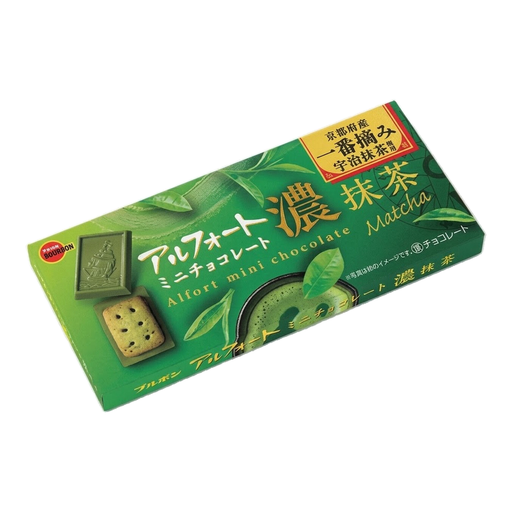 Image unavailable
The 12-piece pack can make it easier to count out biscuits for sharing at snack time. The name combines dark chocolate and matcha, so check that this flavour suits the children concerned and read the allergen information on the packaging. The product isn’t described as shortbread, and its name doesn’t specify the cocoa content.
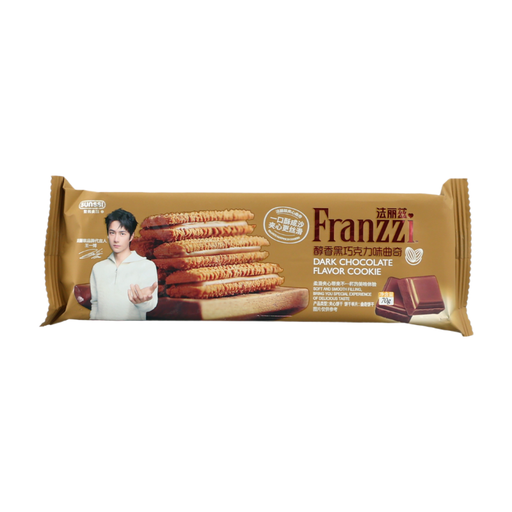 Image unavailable
If you’re sharing these at snack time, check the pack for the number of biscuits and how they’re presented. The product name describes cookies with a dark chocolate flavour, not shortbread, and doesn’t specify the cocoa content either. Before sharing them, check the allergens and nutritional information on the pack you choose.
First check that the recipe is suitable for the child concerned and that sharing it follows the school’s rules. The products reviewed list wheat and, depending on the recipe, other allergens or possible traces. Always check the packaging of the product you actually buy.
The description alone doesn’t tell you the biscuit’s cocoa content. St Michel states that its indulgent biscuit contains 21% dark chocolate: this is the proportion of that ingredient in the recipe, not a cocoa percentage. Check the ingredients list for the product you’re interested in.
Think of it as one part of a snack rather than the whole snack. Manger Bouger recommends limiting sugary and fatty foods in your daily routine and serving a variety of foods, such as a piece of fruit or fruit purée.
Read the ingredients list and any statements about possible traces on the exact pack you’re buying. In France, the Directorate General for Competition Policy, Consumer Affairs and Fraud Control states that allergenic ingredients must be highlighted on the label.