Dark chocolate lovers
If you’re after a more pronounced chocolate flavour, compare the information given about the chocolate or cocoa. The percentage of dark chocolate in a biscuit or cake isn’t necessarily the cocoa content of the whole product.


If you want a ready-made dessert to share, choose a fondant if you can keep it in the freezer as instructed. For a buffet, dark chocolate biscuits are easier to serve in small portions. A homemade cake lets you choose the chocolate bar, but you’ll need to do the baking. In every case, the words ‘dark chocolate’ alone don’t tell you how much cocoa the whole dessert contains: check the stated amount of chocolate, the ingredients, allergens and nutritional information per 100 g.
If you’re after a more pronounced chocolate flavour, compare the information given about the chocolate or cocoa. The percentage of dark chocolate in a biscuit or cake isn’t necessarily the cocoa content of the whole product.
A dessert to share can save you the effort of making a cake, as long as you plan how to serve and store it. For example, Carrefour Extra’s fondant product page says it should be stored in the freezer and can be served hot or cold.
If you’re serving several guests, check the ingredients and any ‘may contain’ statements for each product you buy. The declared allergens vary between the fondant, family-sized cake and biscuits.
For New Year’s Eve, first decide whether dark chocolate should be the main dessert, part of a buffet or an ingredient in your cake. A ready-to-share fondant, biscuits and a homemade cake each call for different serving arrangements and preparation.
Choose this if: you’d like to bring a ready-made dessert to the table.
Plan for: Carrefour Extra’s frozen fondant must be stored at −18 °C and must not be refrozen after thawing.
Choose these if: you’d prefer to offer small portions on a buffet or serve them alongside another dessert.
Bear in mind: biscuits aren’t a substitute for a cake to slice and share. Check the storage instructions for the product you choose.
Choose this if: you want to pick the chocolate used in the recipe yourself.
Plan for: buying the ingredients, baking the cake and checking the allergens in the finished recipe.
| Criteria | What to check | Who is it for? |
|---|---|---|
| Chocolate flavour | The stated amount of chocolate or cocoa, what that percentage is based on, and the ingredients list. The percentage of dark chocolate in a recipe isn’t the same as the percentage of pure cocoa. | If a pronounced dark chocolate flavour is my top priority, I want to know exactly what the figure on the label refers to before I choose. Around 33% of consumers are said to put this intensity at the top of their list. |
| Size and format | The net weight, the stated number of portions if given, and the dessert’s role in the meal: a cake to share or an extra addition to the buffet. | When I’m bringing several guests together for dessert, I’m mainly looking for a format I can present and serve at the table. This is said to be a priority for around 27% of consumers. |
| Serving and storage | The storage instructions, the date on the packaging and any product-specific preparation or defrosting instructions. | With other preparations to manage on New Year’s Eve, I look for a dessert that fits the time and storage space I have. Nearly 20% of consumers are said to prioritise this practical consideration. |
| Ingredients and allergens | The ingredients, allergens and any possible traces, followed by the sugars and fats in the nutritional information per 100 g. | If guests have dietary requirements, I need to be able to check the exact product before serving it. Around 20% of consumers are said to prioritise this check. |
St Michel states that its galettes contain 21% dark chocolate, Carrefour says its Extra fondant contains 14%, and Auchan lists 5.9% for the Brossard family-sized Savane cake. These figures describe the stated proportion of dark chocolate in different products, not their pure cocoa content.
Check what each percentage measures, then read the ingredients before deciding whether the product matches the flavour you’re looking for.
Carrefour Extra’s fondant must be stored at −18 °C and must not be refrozen after thawing. St Michel’s galettes, on the other hand, should be stored in a dry place, away from heat and light.
Check the instructions for the product you’ve chosen and plan where to store it before the meal, especially if your freezer is already full.
The product information mentioned here also lists allergens and, depending on the product, possible traces. The words ‘dark chocolate’ don’t tell you whether a product contains wheat, milk, eggs, soya or nuts.
Check the ingredients list and warnings on the packaging of the product you’re actually serving.
A product shown by a retailer isn’t necessarily available in every branch when you do your shopping.
Confirm the product and its availability with the store or collection service you plan to use.
The Galettes gourmandes chocolat noir are biscuits for adding to a buffet, rather than a cake to share.
Carrefour Extra’s frozen dark chocolate fondant is presented as a 450 g dessert to share, which can be served hot or cold according to its product information.
Auchan presents the Brossard Savane family-sized dark chocolate cake as a 310 g cake, a different format from frozen fondant or individual biscuits.
If you’re making a cake, E.Leclerc’s Equador dark chocolate bar gives you a cocoa percentage to consider when choosing the chocolate to use.
Lidl’s chocolate cake recipe could be a good starting point if you’d rather make your own dessert.
These dark chocolate bars could be used to make a homemade cake, while the biscuits could be a useful addition to a New Year’s Eve buffet. Check the format and ingredients of each product before planning your dessert.
 Image unavailable
A bar to consider if you’re choosing the chocolate for a homemade cake yourself. The percentage shown applies to the bar, not the finished dessert.
Before baking for guests, check the ingredients on the packaging. Information for this product mentions maltitol, which may have a laxative effect if consumed in excess, as well as soya lecithin.
 Image unavailable
Another bar for homemade baking. Choose it based on the chocolate you want for your recipe, without assuming that the bar’s cocoa content is the same as that of the finished cake.
If milk or soya are ingredients your guests need to avoid, check the packaging for this product.
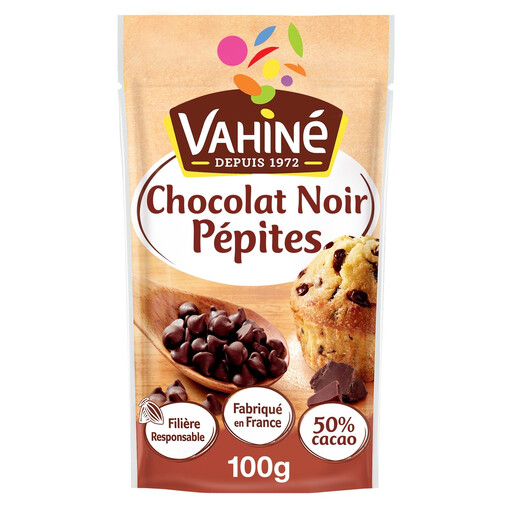 Image unavailable
Worth considering if you’re looking for chocolate to add to a recipe or dessert, rather than a ready-to-serve cake.
The title ‘Fudge’ and the description mentioning chocolate chips don’t clearly indicate the same form. Check exactly what it is and look for allergen information on the packaging before adding it to your recipe.
 Image unavailable
Biscuits to serve alongside a dessert or add to a buffet, rather than a centrepiece cake to slice and share.
To judge their chocolate flavour, distinguish the amount of dark chocolate in the biscuit from the cocoa content of the chocolate itself. Also check the ingredients if wheat, milk or soya are a concern for your guests.
 Image unavailable
Biscuits to serve with dessert or add to a buffet, rather than a cake to share.
If a strong chocolate flavour is important, look for a percentage on the packaging. Also check the information about gluten, milk, soya and any possible traces of nuts.
No. The name alone doesn’t tell you the cocoa content of the whole cake. St Michel states that its galettes contain 21% dark chocolate, Carrefour says its Extra fondant contains 14%, and Auchan lists 5.9% for the Brossard family-sized Savane cake. These figures show the stated amount of dark chocolate in each recipe, not a comparable measure of pure cocoa.
Read the packaging for the product you’re going to serve, including any ‘may contain’ statements. In France, the Directorate-General for Competition Policy, Consumer Affairs and Fraud Control (DGCCRF) reminds shoppers that allergens in prepacked foods must be highlighted in the ingredients list.
Compare the nutritional information per 100 g, then take the portion you plan to serve into account. France’s Directorate-General for Competition Policy, Consumer Affairs and Fraud Control (DGCCRF) states that the nutritional declaration for prepacked foods subject to this requirement is given per 100 g or 100 ml. No single figure tells you everything about a product’s composition.
Make space in your freezer and follow the instructions for the product you buy before deciding when to serve it. Carrefour Extra’s fondant product page says it must be stored at −18 °C and must not be refrozen after thawing.
Check with the relevant store or collection service before relying on it for New Year’s Eve. Lidl, for example, says that some stores may not stock every item shown in its leaflets.