Parents preparing several lunchboxes
A box of squares makes it easy to see what’s going into the bag. A bar gives you more freedom to prepare pieces at home, using a suitable container to carry them.


A box of squares makes it easy to add a portion of dark chocolate to a secondary school pupil’s lunchbox; a bar is a good choice if you’d rather portion it yourself. A large gift box is better suited to giving or sharing. Whichever format you choose, compare the sugars per 100 g and check the ingredients and allergens for the specific product.
A box of squares makes it easy to see what’s going into the bag. A bar gives you more freedom to prepare pieces at home, using a suitable container to carry them.
If certain ingredients need to be avoided, read the label for each recipe, including those in an assortment. The words ‘dark chocolate’ don’t guarantee that it’s free from milk, soya or nuts.
A gift box may be just the thing if presentation or variety matters. For a lunchbox you prepare regularly, though, check whether the format makes it easy to take out and carry a few pieces.
First, decide between ready-portioned squares, a bar you can break up and a gift box for sharing. Then check the label for the specific recipe to see which options meet your needs.
Choose this if: you want to quickly pick out pieces to put in the lunchbox.
Bear in mind: an assortment may contain several recipes, so check each one separately.
Choose this if: you want to prepare the pieces to take with you yourself.
Bear in mind: you’ll need a small container to protect the pieces in the bag.
Choose this if: presentation or sharing matters more than everyday preparation.
Bear in mind: a large assortment can be bulky and may include recipes with different ingredients.
| Criterion | What to check | Who it matters to |
|---|---|---|
| Portioning and carrying | Number of squares or pieces; whether you need a protective container. | When you’re putting a lunchbox together in a hurry, being able to quickly pick out pieces to take along matters most. Around 42% of consumers prioritise convenient portioning. |
| Sugars and labelling | The ‘of which sugars’ figure per 100 g and the ingredients in the chosen recipe. | When comparing two recipes, I want to check their sugar content on the same basis rather than rely on the cocoa percentage alone. This is a priority for around 33% of consumers. |
| Allergens and storage | Ingredients, ‘may contain’ warnings and possible exposure to heat during the journey. | If certain ingredients need to be avoided or the bag may be left somewhere warm, checking the exact recipe and how it will be carried comes first. These checks are the main concern for around 25% of consumers. |
Depending on the recipe, dark chocolate may contain milk, soya or nuts, among other ingredients. Pieces in the same assortment may also have different ingredients.
Read the ingredients and ‘may contain’ warnings on the packaging for the exact product, especially if a pupil needs to avoid an ingredient.
A gift box designed for giving or sharing doesn’t necessarily make it easy to take out and carry a few pieces.
Check the number of pieces and the ingredients in the different recipes. If you’re portioning a bar, make sure you have a container for the pieces.
In France, Nutri-Score is a voluntary label, as Santé publique France explains. Its absence doesn’t tell you anything about the composition of a chocolate product.
Compare the nutritional information, particularly sugars per 100 g, then check the ingredients and allergens.
Lindt France offers dark chocolate gift boxes and assortments. Carrefour also stocks a Lindt box of 16 squares, combining 70% dark chocolate with dark chocolate and fleur de sel.
E.Leclerc DRIVE includes Côte d’Or in its seasonal range of chocolates for gifting.
Carrefour product pages let you check the ingredients and nutritional information for some dark chocolate bars.
E.Leclerc DRIVE has a dark chocolate section featuring Marque Repère products, including Tablette d’Or, Equador and Bio Village.
These products are bars that you can portion for a lunchbox. If you’re looking for a box of squares or a gift box, compare their packaging separately.
 Image unavailable
The 35 g size may suit you if you’re looking for a small bar to take with you. Check how it breaks into pieces and how it’s packaged if you want to prepare separate portions. The product information lists possible traces of nuts, milk and soya.
 Image unavailable
This bar is easy to break into pieces at home; check their actual size if portioning matters to you. If you have an allergy, check the ingredients and warnings on the packaging of the product you buy.
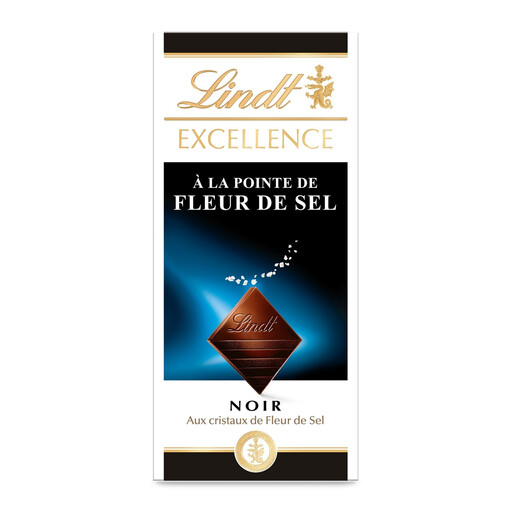 Image unavailable
This sea salt variety is for anyone who’d rather portion a bar themselves than take a gift box. It contains milk and soya, so bear this in mind if these ingredients need to be avoided.
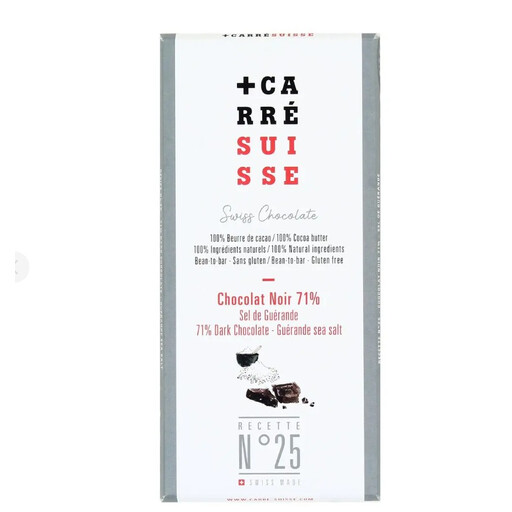 Image unavailable
If you’re preparing pieces for a lunchbox, check how this 100 g bar breaks up. It contains soya and may contain traces of milk, nuts and gluten.
 Image unavailable
This pack contains three bars to portion at home, rather than ready-portioned pieces to put straight in a bag. Soya lecithin is listed among the ingredients; also check the packaging for any ‘may contain’ warnings.
A box of squares is handy if you want to quickly pick out pieces to take along; a bar is a good choice if you’d rather prepare the pieces yourself. Save a large gift box for occasions when presentation or sharing matters more than everyday use.
Read the ingredients and ‘may contain’ warnings for the specific product, rather than relying on the words ‘dark chocolate’ alone. For an assortment, check the ingredients of the different recipes it contains too.
No. Santé publique France explains that producers choose whether to display Nutri-Score in France. To compare products, check their nutritional information, ingredients and allergens, whether or not they carry the logo.
Put the prepared pieces in a small, sealed container and avoid leaving the bag in the heat for long. This is particularly useful on a hot journey or if the lunchbox will be left in the sun.
No. The contribution described by Légifrance applies to drinks and liquid preparations for drinks containing added sugars, not to a solid chocolate bar or gift box. When choosing between chocolate products, compare the sugars listed per 100 g and the portion you plan to take with you.