To keep the milk in your recipe while looking for a more pronounced cocoa flavour, compare the stated minimum cocoa content of each chocolate, then check its ingredients and sugars per 100 g. The word ‘dark’ is no substitute for this information. If milky sweetness is no longer your priority, consider dark chocolates too, but don’t assume they are free from milk or other allergens.
Who is this choice for?
Milk chocolate fans looking for more cocoa
You want to keep the milky flavour but would like a more pronounced cocoa taste for the festive season. The stated cocoa content is a more precise guide than a term such as ‘dark’ or ‘intense’ in the product name.
Anyone buying for people with different tastes
If you’re buying a gift or something to share, you’ll need to choose between a bar, individually wrapped portions and an assortment of recipes. France’s DGCCRF identifies Christmas as a peak period for chocolate sales in France. Check which recipes are included rather than relying on the box format alone.
Anyone keeping an eye on sugars and allergens
You compare sugars per 100 g and check the ingredients of the exact product. This is particularly important for recipes with added ingredients, or when the chocolate is for someone who needs to avoid certain ingredients.
Which criteria should you compare?
For your Christmas shopping, first decide whether you want milky sweetness or a more pronounced cocoa flavour. Then check the ingredients and format of the product you’re considering.
Classic milk chocolate
Consider it: if milky sweetness is your priority, particularly if you’re buying something to share with people who have different tastes.
Bear in mind: this description alone doesn’t tell you how much sugar the bar contains or how pronounced its cocoa flavour is.
Milk chocolate with more cocoa
Consider it: if you want to keep milk in the recipe while trying a chocolate with a higher stated cocoa content.
Bear in mind: a percentage in the product name is no substitute for the minimum cocoa content stated in the ingredients.
Dark chocolate
Consider it: if you’d rather compare recipes sold as dark chocolate than stick with a milk chocolate recipe.
Bear in mind: the description ‘dark’ doesn’t guarantee that the ingredients are milk-free.
| Criteria |
What to check |
Who is it for? |
| Cocoa flavour |
The sales description and stated minimum cocoa content, rather than a word in the product name. |
If I want to stick with a milk chocolate recipe without choosing solely on the promise of intensity, I check the stated cocoa content. Around 33% of consumers prioritise this balance between milk and cocoa. |
| Sugars and nutritional information |
Sugars per 100 g and the ingredients; the Nutri-Score, if displayed, and only when comparing like-for-like products. |
To choose between two festive chocolates, I need to read their nutritional values on the same basis. Around 27% of consumers prioritise comparing sugars. |
| Allergens and recipe |
Highlighted allergens, ‘may contain’ statements and any added ingredients in the exact product. |
If the chocolate is for someone who avoids certain ingredients, I need to check every recipe, including those in an assortment. Around 20% of consumers put this check first. |
| Festive format |
Net weight, recipes included, best-before date and storage instructions. |
If I’m buying a gift or something to share, I look for packaging that suits the people it’s for and when the chocolate will be eaten. Around 20% of consumers say format is their main consideration. |
Common misconceptions to avoid
-
Assuming ‘dark’ or ‘70%’ guarantees the cocoa content
Lindt France’s product page for the EXCELLENCE ‘Noir 70% Cacao & Lait’ bar states ‘cocoa: 45% minimum’. The product name and the composition figures are not the same thing.
To compare two products, check the stated minimum cocoa content of each, then look at their ingredients and sugars per 100 g.
-
Assuming dark chocolate is milk-free
A Carrefour product page for Côte d’Or dark chocolate lists skimmed milk powder. The chocolate’s colour and description aren’t enough to tell you whether it’s suitable for someone avoiding certain ingredients.
Check the ingredients list, highlighted allergens and ‘may contain’ statements for the specific product.
-
Thinking that no Nutri-Score means something is wrong with the product
According to Santé publique France and the DGCCRF, displaying a Nutri-Score is voluntary. Its absence doesn’t tell you anything about the composition of a bar.
If it appears on the packaging, use it as additional information. Also check the sugars, fat and ingredients.
-
Choosing an assortment without checking every recipe
An assortment can include different chocolates and added ingredients. Checking the box as a whole may mean you miss an ingredient in some of the individual chocolates.
Before giving the box as a gift, check the recipes and listed allergens, as well as the net weight, best-before date and storage instructions.
Brands and retailers to know
Lindt
The brand’s range includes an EXCELLENCE bar combining dark and milk chocolate, as well as LINDOR assortments for the festive season.
- Lindt France states that its EXCELLENCE ‘Noir 70% Cacao & Lait’ bar contains ‘cocoa: 45% minimum’.
- For an assortment, check the ingredients and allergens for each recipe. A range name doesn’t describe every chocolate in the box.
Côte d’Or
The milk and dark chocolate bars let you compare different recipes, some of which include added ingredients.
- The Joybuy product page for a 200 g family-size milk chocolate bar states that it contains 55 g of sugars per 100 g. This figure applies to that specific product.
- A hazelnut or raisin variety shouldn’t be treated as the same as a plain bar when checking ingredients or allergens.
Milka
The Tendre au Lait bar listed by Carrefour is an option for anyone looking for a milk chocolate recipe.
- Its Carrefour product page details the ingredients, so you can check the recipe before buying.
- This bar alone doesn’t establish whether it will suit you if you’re looking for a more pronounced cocoa flavour. Check the allergens for the variety you choose too.
Carrefour
The retailer lists products from several brands, including Côte d’Or and Milka, making it easier to check specific products.
- Some product pages detail ingredients, allergens and nutritional information.
- Don’t assume that the details of one bar apply to another recipe from the same brand.
E.Leclerc
Its online shopping range includes dark, milk and white chocolate, as well as products from several brands.
- This range gives you different types of chocolate to consider for your Christmas shopping.
- To find out what a product contains, check its individual product page rather than relying on a general overview of the range.
Milk chocolates for your Christmas shopping
These milk chocolate products include shareable formats, including a hazelnut recipe. If you’re looking for a more pronounced cocoa flavour, check the cocoa content of the product you’re interested in: neither the format nor the added ingredients tell you what it is.
 Image unavailable
Toblerone Milk, 3 × 50 g
This pack of three milk chocolate bars makes it easy to set aside separate portions to share.
If you’re looking for a more pronounced cocoa flavour or need to avoid certain ingredients, check the composition and cocoa content stated on the packaging.
View on Joybuy
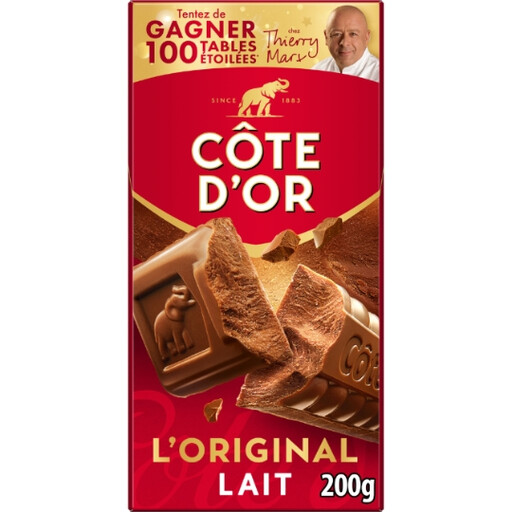 Image unavailable
Côte d’Or Classic Milk, 200 g
This milk chocolate bar is a good choice if you’re looking for a family-size bar to share.
The Joybuy product page states that this bar contains 55 g of sugars per 100 g. To assess its cocoa flavour, check the stated cocoa content on the packaging separately.
View on Joybuy
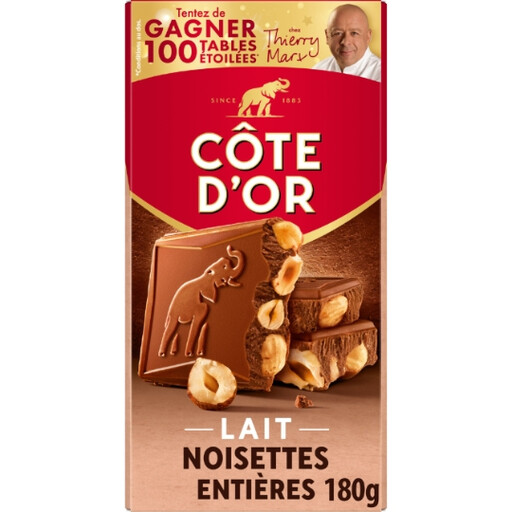 Image unavailable
Côte d’Or milk chocolate with whole hazelnuts, 180 g
This bar combines milk chocolate and whole hazelnuts, making it a shareable option with added ingredients.
The hazelnuts are important if you’re choosing chocolate for someone who needs to avoid them. They don’t tell you the cocoa content, so check this figure on the product you buy.
View on Joybuy
Frequently asked questions
What does ‘dark’ mean on a milk chocolate bar?
The word alone doesn’t tell you what a bar contains. For products sold in France, the Ministry of the Economy distinguishes between the descriptions ‘milk chocolate’ and ‘dark chocolate’. Check the sales description, stated cocoa content and ingredients of the product you choose.
Is Nutri-Score compulsory on a chocolate bar?
No. According to Santé publique France and the DGCCRF, displaying a Nutri-Score is voluntary and separate from the mandatory nutritional information required on pre-packed foods. If it appears, compare it with similar products and check the sugars, fat and ingredients too.
Does the levy on non-alcoholic drinks apply to chocolate bars?
No. The levy described by the Ministry of the Economy applies to non-alcoholic drinks, not chocolate bars. To compare two bars, check their stated sugars per 100 g instead.
How do you check allergens in a Christmas assortment?
Check the ingredients and ‘may contain’ statements for the exact product, including those for the different chocolates in the assortment. Don’t assume dark chocolate is milk-free: a Carrefour product page for Côte d’Or dark chocolate lists skimmed milk powder.


