Hotel coffee service managers
You need a simple chocolate to serve with coffee, while keeping information about the ingredients, allergens and storage of the product you serve readily available.


To serve alongside coffee for guests with different tastes, plain dark chocolate with around 70% cocoa is a good starting point, provided you check the serving format and allergens. An 85% recipe is better suited to guests looking for a more intense flavour, while a sweetener-based recipe meets a different need around sugar content and requires you to check its ingredients and warnings.
You need a simple chocolate to serve with coffee, while keeping information about the ingredients, allergens and storage of the product you serve readily available.
You’re looking for a pronounced cocoa flavour to enjoy with your coffee. A 70% bar and an 85% bar won’t necessarily suit the same preferences, so tasting each with the coffee you serve can help you choose between them.
You want to compare sugars per 100 g, check for any sweeteners and read the ingredients. Santé publique France explains that producers choose whether to display the Nutri-Score: its absence doesn’t mean you can skip checking the nutritional information.
First decide how you’ll serve the chocolate, then check the exact recipe. The cocoa percentage alone won’t tell you about allergens, sugar content or packaging.
| What to consider | What to check | Guests concerned |
|---|---|---|
| Portion and serving | Weight of each unit and whether the bar needs to be portioned; check separately whether each portion is individually wrapped. | When the chocolate needs to be placed by the coffee quickly, I prefer a format that requires little preparation. Around 31% of guests put ease of serving first. |
| Cocoa intensity | Stated cocoa percentage and how it tastes with the coffee actually being served. | To serve with coffee without giving everyone an intensely rich flavour, I want to distinguish the standard choice from a more intense option. Around 25% of guests prioritise this flavour pairing. |
| Ingredients and allergens | Ingredient list, declared allergens and any ‘may contain’ statements on the packaging of the batch being served. | If a guest asks what the chocolate contains, I need to be able to answer based on the product on offer. Ingredients and allergens are the main concern for around 25% of guests. |
| Sugars and sweeteners | Sugars per 100 g, whether sweeteners are present and any associated warnings. | When comparing a standard recipe with one containing sweeteners, I want to understand what changes beyond the sugar figure alone. Around 19% of guests prioritise this nutritional information. |
The 70% products mentioned from Lindt, Côte d’Or and Nestlé have different ingredients and may contain different traces of allergens. The cocoa percentage doesn’t tell you whether a product is free from milk, soya or nuts.
Check the label for the product and batch being served before giving guests any information.
The low-sugar Auchan bar mentioned on its product page contains maltitol and lactitol. Its packaging warns that excessive consumption may have laxative effects.
Keep this option for guests who specifically ask for it, and make its ingredients and warning available to read.
According to Santé publique France, producers choose whether to display the Nutri-Score. It doesn’t replace the ingredients, allergens and nutritional values you need to compare two recipes.
If it appears on the product, read it alongside the other label information. Don’t assume it has to appear on every bar.
The Lindt EXCELLENCE mini bar is listed as weighing 35 g, but that alone doesn’t confirm that each unit is individually wrapped for serving.
Check the exact packaging and allow for any preparation needed before choosing this format.
The EXCELLENCE range includes a 70% dark chocolate bar and a 35 g mini bar, two formats to assess separately for serving with coffee.
Its 70% dark chocolate tasting bar offers another option to compare for serving with coffee.
The 70% dark L’Atelier squares and Nestlé Dessert chocolate serve two different purposes: enjoying with coffee and cooking.
The 70% organic dark chocolate bar is an option to consider when the hotel will portion it itself.
The products consulted include a standard 70% organic dark chocolate and a separate 70% recipe containing sweeteners.
These bars let you explore several ways to serve chocolate with hotel coffee: a small format, more intense cocoa, a sweetener-based recipe or added flavours. The right format and label checks will depend on the individual product.
 Image unavailable
Worth considering if a small bar makes it easier to set up the coffee service. It’s listed as weighing 35 g and containing 70% cocoa; check whether the packaging is suitable for individual servings. The product page warns of possible traces of allergens, so check the batch being served.
 Image unavailable
Consider this as a separate option for guests who prefer a more intense cocoa flavour with their coffee. This bar is listed as containing 85% cocoa and weighing 100 g. Check the allergen information on the packaging of the batch before serving.
 Image unavailable
If you’re looking for information about sugar, compare this recipe with a standard dark chocolate by reading their labels rather than relying on the cocoa percentage alone. The bar is listed as containing 70% cocoa and weighing 100 g. The product page mentions maltitol and a warning about excessive consumption; check the allergens for the batch too.
 Image unavailable
Consider this if the hotel would like to offer a different flavour from plain dark chocolate with coffee. This 100 g bar combines lemon and green pepper. If the cocoa percentage is important to you, check which part of the recipe it applies to. Also check the allergen information for the batch.
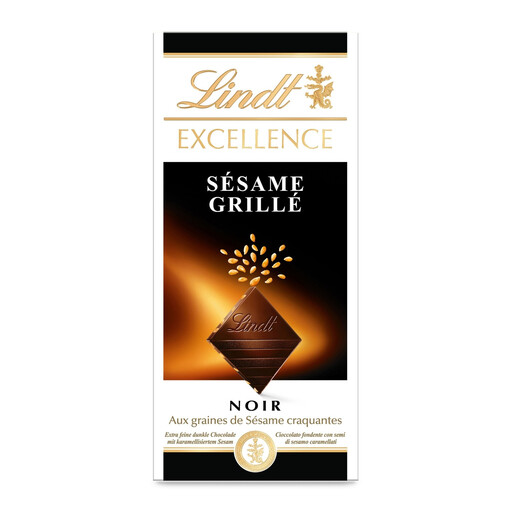 Image unavailable
This 100 g bar offers a sesame flavour rather than a plain recipe. Before choosing it for a selection based on a specific cocoa percentage, check the percentage on the packaging. Also check the information about sesame, milk and soya for the batch being served.
No, not when it’s a solid bar. The provisions relating to this levy, published on Légifrance, apply to the relevant drinks and liquid preparations for drinks. A bar’s sugar content is still useful information when comparing recipes, but rules applying to drinks don’t apply to this product.
No. Santé publique France states that producers display the Nutri-Score voluntarily. If it appears, use it as additional information and also compare the ingredients, allergens and nutritional values per 100 g. Nutritional declarations are covered by the food information rules set out on EUR-Lex.
Keep the packaging for the product being served, or its exact product information, so you can check the ingredients, allergens, date and nutritional values in particular. The European food information rules set out on EUR-Lex also cover food supplied to mass catering, so make sure the information you use matches the product being served.
Follow the instructions on the packaging for each product. The Auchan product pages for the bars consulted recommend storing them in a cool, dry place, away from heat and light. Always follow the instructions for the product you actually buy.