To take dark chocolate in your gym bag, choose a bar with around 70% cocoa if you’d like to start at this level, one with 85% or more if you’re looking for a higher cocoa content, or a mini bar if carrying a smaller amount is your priority. Cocoa percentage is no substitute for comparing the nutritional information and ingredients of the specific product. Whatever the format, protect the chocolate from heat and check for any allergens that concern you.
Who are these options for?
Dark chocolate fans exploring different cocoa percentages
If you’re deciding between 70% and a higher percentage, compare the recipes rather than assuming the sugar or fat content from the cocoa percentage alone. Lindt and E.Leclerc offer ranges with several cocoa percentages, but each bar has its own nutritional values.
People who carry their snacks with them
A mini bar lets you take a set amount without carrying a full-size bar. It won’t, however, solve the problem of heat: Lindt says chocolate can soften when the temperature rises above 25 °C.
Shoppers who check ingredients and allergens
A plain recipe and one with added ingredients need different checks. Read the ingredients list and allergen information for the bar you choose, including any ‘may contain’ warnings, especially if you have an allergy.
What should you look for before buying?
First decide what matters most to you — cocoa content, nutritional values, portability or ingredients — then compare products on that specific point.
| What to consider |
What to check |
Who is it for? |
| Cocoa content |
Compare the stated percentage and distinguish a plain bar from a flavoured recipe. Don’t use this figure alone to estimate the sugar content. |
If I’m mainly looking for a more pronounced cocoa flavour, I want to be able to choose between a 70% bar and one with 85% or more. Around 27% of consumers put this intensity at the top of their list. |
| Nutritional values |
For each product, check the energy, sugars, fat and saturated fatty acids per 100 g. |
Before putting a bar in my bag, I want to compare what two recipes actually contain, rather than relying on the word ‘dark’. Checking nutritional values is the priority for around 33% of consumers. |
| Format and heat |
Check the weight of the bar and plan to keep it out of direct sunlight during your journey. |
When I’m carrying chocolate in a gym bag, I prefer to take a set amount and avoid it softening. Portability is the main concern for around 27% of consumers. |
| Ingredients and allergens |
Check the ingredients list, any allergen warnings and ‘may contain’ statements for the exact product. |
If the ingredients or an allergen determine my choice, a recipe with added ingredients needs a careful check of the packaging. For around 13% of consumers, this comes before other considerations. |
Mistakes to avoid
-
Assuming a high cocoa percentage means a particular nutritional profile
Cocoa percentage alone doesn’t tell you the sugar, energy or fat content. As examples for specific products, Lindt lists 30 g of sugars per 100 g for its Excellence dark 70% mini bar, while E.Leclerc lists 43 g of fat per 100 g for its Equador 85% bar.
Compare nutritional values on the same per-100 g basis, then choose how much you want to take with you.
-
Relying on the recipe name to check for allergens
Added ingredients change the composition, but a dark chocolate bar without them may still carry a warning about possible allergens. For example, Carrefour warns that its Côte d’Or organic dark 70% bar may contain nuts and milk.
If you have an allergy, check the ingredients list and all allergen information on the packaging of the variant you buy.
-
Leaving chocolate in a bag exposed to heat
According to Lindt’s storage guidance, temperatures above 25 °C make chocolate soften more quickly. So even a small bar is still sensitive to heat.
Keep it out of direct sunlight and don’t leave your bag in a hot car. If your journey calls for it, use an insulated cover, but don’t rely on it to protect the chocolate from prolonged exposure.
-
Treating Nutri-Score as a requirement or a verdict
Santé publique France explains that displaying Nutri-Score is voluntary. A logo on a chocolate bar doesn’t replace its nutritional information or the need to check its ingredients and allergens.
Check the Nutri-Score if it appears on the packaging, then refer to the information for the specific product when comparing options.
Brands and ranges to know
These examples can help you identify different dark chocolate formats and recipes. The details listed apply to the specific products mentioned, not every bar from each brand.
Lindt
Lindt’s Excellence range includes dark chocolate bars with cocoa percentages from 70% to 100%, as well as a 35 g mini bar of dark chocolate with 70% cocoa.
- Several stated cocoa percentages and a 35 g format to compare, depending on how much you want to take with you.
- According to Lindt, the 70% mini bar may contain milk, almonds, hazelnuts, other nuts and soya. Check the packaging of the product you choose.
EQUADOR / Marque Repère E.Leclerc
E.Leclerc offers Equador dark chocolate bars with 72%, 85% and 99% cocoa.
- The product information for the 85% bar lets you check its ingredients and nutritional values.
- For this 85% product, E.Leclerc lists 43 g of fat per 100 g and a Nutri-Score D, calculated using the previous method. Don’t assume these figures apply to the other cocoa percentages.
Carrefour Bio
Carrefour offers a 200 g organic dark chocolate bar with 70% cocoa, made with cocoa mass, cane sugar, cocoa butter and vanilla extract.
- The cocoa percentage and ingredients are listed for this product.
- If you only want to take a small amount with you, you’ll need to break off a portion from the 200 g bar before you set off.
Côte d'Or
Carrefour lists a 90 g Côte d’Or organic dark chocolate bar with at least 70% cocoa.
- The 90 g format is more compact than the 200 g Carrefour Bio bar mentioned here.
- Carrefour’s product information warns that it may contain nuts and milk. Check the label if these allergens concern you.
Nestlé Les Recettes de l’Atelier
Nestlé’s range includes dark chocolate bars and recipes with added ingredients. The brand describes its ‘Juste 3 Ingrédients’ line as being made with cocoa mass, sugar and cocoa butter.
- The range lets you distinguish a recipe described as containing three ingredients from variants with added ingredients.
- For recipes with nuts, caramel, fruit or biscuits, check the ingredients and allergen information for each bar.
Dark chocolate bars available on Joybuy
If you’re choosing dark chocolate to pop in your gym bag, these options include a 35 g mini bar, 100 g bars with different stated cocoa percentages, and recipes with lemon, green pepper or sesame. Check the format and ingredients separately.
 Image unavailable
Lindt Excellence dark 70%, 35 g mini bar
The 35 g format is a good choice if you want to decide exactly how much to put in your bag without taking a large bar.
For this mini bar, Lindt lists 30 g of sugars per 100 g and warns that it may contain milk, almonds, hazelnuts, other nuts and soya. Check the label if you have an allergy and keep the chocolate away from heat.
View on Joybuy
 Image unavailable
Lindt Excellence dark 85%, 100 g
This stated cocoa percentage of 85% suits you if you’re looking for a stronger cocoa flavour than in a bar labelled 70%.
The 100 g format isn’t a mini bar. To decide how much to take with you, check the nutritional values per 100 g and the storage instructions on the packaging.
View on Joybuy
 Image unavailable
CARRE SUISSE organic dark chocolate with lemon and green pepper, 100 g
This recipe is for anyone looking for flavoured dark chocolate rather than a plain dark chocolate bar.
Lemon and green pepper set this 100 g bar apart. If you’re comparing its cocoa percentage with that of a plain bar, check the packaging to see which part of the product the stated percentage applies to. Also check the allergen information.
View on Joybuy
 Image unavailable
POULAIN dark chocolate 70%, 100 g
This bar gives you another recipe labelled 70% cocoa to compare with the formats and ingredients featured here.
The 100 g format doesn’t determine how much you should take with you. Before choosing, check the ingredients list, allergens and full nutritional values rather than relying on the cocoa percentage alone.
View on Joybuy
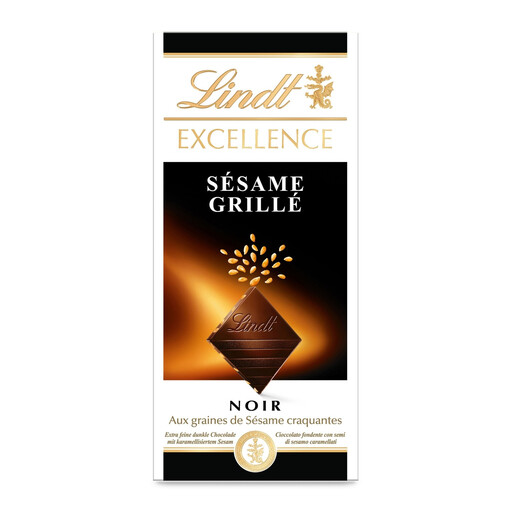 Image unavailable
Lindt Excellence dark chocolate with sesame, 100 g
This bar with sesame is a good option if you’re looking for a recipe with added ingredients, rather than comparing bars solely by cocoa percentage.
The stated format is 100 g. Check the ingredients and allergen information for the specific variant; sesame is particularly important to check if you need to avoid it. Keep the bar away from heat while you’re carrying it.
View on Joybuy
Frequently asked questions
Does the soda tax apply to chocolate bars in France?
No. The contribution on sugary drinks described by the French Ministry of the Economy doesn’t apply to a chocolate bar, as it isn’t a sugary drink. So this tax isn’t a factor when comparing the bars featured here.
Does a chocolate bar have to display Nutri-Score?
No. Santé publique France says that producers display Nutri-Score voluntarily. If it appears on the packaging, consider it alongside the bar’s nutritional information; its absence doesn’t tell you what the product contains.
What should I check on the packaging if I have an allergy?
Check the ingredients, highlighted allergens and any ‘may contain’ warnings for the variant you’re planning to buy. The European Commission explains the rules for declaring allergens in prepacked foods; the words ‘dark chocolate’ alone aren’t enough to tell you what a bar contains.
How can I carry dark chocolate in a gym bag when it’s hot?
Keep it out of direct sunlight and avoid leaving your bag in a hot car. Lindt generally recommends storing chocolate between 15 °C and 18 °C and says it softens more quickly above 25 °C. An insulated cover may help during your journey, but it won’t eliminate the risk of prolonged exposure to heat.


