Who are these formats suited to?

Fans of a pronounced cocoa flavour

If the words ‘dark chocolate’ aren’t enough to help you choose, check the proportions listed in the recipe. St Michel states that its biscuits contain 21% dark chocolate, while Carrefour lists 14% in its Extra fondant cake and 9% in its Selection molten-centre cakes, along with 6% cocoa powder. These figures describe ingredients in different products; they aren’t a like-for-like measure of how intense they taste.

Hosts serving dessert at the table

The number of guests and how you plan to serve dessert can help you choose a format. The 450 g Carrefour Extra fondant cake is made for sharing; Carrefour Selection molten-centre cakes come in two 90 g pots; and St Michel biscuits, packed in four sachets of three, are ideal with coffee.

Guests mindful of ingredients and storage

If any of your guests need to avoid certain ingredients, check the label on the product you plan to serve, including any ‘may contain’ warnings. Plan ahead for storage too: a frozen fondant cake, chilled molten-centre cakes and dry biscuits all need to be handled differently before the meal.

What should you check before buying?

For Easter lunch, decide whether you want a chocolate dessert to share or a small portion for each guest. Then compare the recipe, nutrition information and storage instructions for the formats that suit the way you plan to serve it.

What to consider What to check Who is it for?
Chocolate content The stated proportion of dark chocolate or cocoa powder, and where these appear in the ingredients list. These details alone don’t tell you the total cocoa content of the finished cake. I’m looking for a pronounced cocoa flavour and prefer to compare specific recipes rather than go by the product name. Around 31% of consumers put this near the top of their list of priorities.
Serving format The weight of a cake for sharing, the number of pots or how the biscuits are packed. Consider whether you need a main dessert or something to serve with coffee. I need a format that suits the meal so I can serve everyone without having to cut lots of portions. This is a priority for around 31% of consumers.
Ingredients and nutrition Check the packaging for allergens and any ‘may contain’ warnings, then compare the nutritional values per 100 g if you’re considering different formats. If any guests need to avoid certain ingredients, I need to check the recipe of the product I’m actually serving. Around 23% of consumers prioritise checking ingredients and comparing nutrition information.
Storage How to store the product, the date shown on the packaging and, for frozen products, the instructions to follow after defrosting. I’m doing my Easter shopping in advance and need to know where to keep dessert until lunch. Storage is the main concern for around 15% of consumers.

Things to bear in mind

  • Assuming ‘dark chocolate’ means the same cocoa content in every product

    The proportions listed vary from one recipe to another: St Michel states that its biscuits contain 21% dark chocolate, Carrefour lists 14% in its Extra fondant cake and 9% in its Selection molten-centre cakes, which also contain 6% cocoa powder. These figures are the proportions of ingredients in products of different formats, not a ranking of their flavour or total cocoa content.

    Compare the proportions and ingredients list, then choose the texture and serving style you prefer. Don’t assume the finished product’s cocoa content based on the product name alone.

  • Assuming two recipes from the same brand contain the same allergens

    The product information for St Michel biscuits, Carrefour Extra fondant cake and Carrefour Selection molten-centre cakes lists ingredients such as wheat, egg, milk or butter, and soya, depending on the recipe. Some also carry warnings that they may contain traces of nuts or sesame.

    Check the ingredients list, highlighted allergens and any ‘may contain’ warnings on the packaging of the specific product you’re serving.

  • Choosing a format without planning how to store it

    Carrefour Extra fondant cake is frozen, Carrefour Selection molten-centre cakes are chilled, and St Michel biscuits should be kept in a dry place away from heat. These differences matter particularly if you’re shopping several days before lunch.

    Before buying, check the storage instructions and the date on the product you choose. For Carrefour Extra fondant cake, follow the instruction not to refreeze it after defrosting.

Brands to consider

St Michel

The Galette gourmande dark chocolate is a pure-butter biscuit with a dark chocolate centre. It comes in a 121 g box containing four sachets of three biscuits. It’s better suited to a selection of treats or to serving with coffee than as a cake to slice.

  • St Michel states that the recipe contains 21% dark chocolate.
  • The product information lists gluten, milk, soya and egg, and warns that the biscuits may contain traces of nuts and sesame. For a nutritional comparison, it lists 30 g of sugars and 19 g of fat per 100 g, so take the portion you serve into account.

Carrefour

The 450 g Carrefour Extra dark chocolate fondant cake is designed for sharing. Carrefour Selection dark chocolate molten-centre cakes come in two 90 g pots, making it easy to serve individual portions.

  • Carrefour states that its fondant cake contains 14% dark chocolate. Its molten-centre cakes contain 9% dark chocolate and 6% cocoa powder.
  • The fondant cake is frozen, while the molten-centre cakes are chilled. Make sure you have suitable storage for the product you choose; ingredient percentages alone don’t tell you the total cocoa content of either product.

Brossard

Auchan stocks Brossard Savane dark chocolate-filled cakes in a pack of seven, with a total weight of 210 g. This format is better suited to individual portions than to a centrepiece dessert to slice.

  • Auchan’s product information states that the recipe contains 6.7% dark chocolate.
  • The recipe lists wheat, egg and soya. The proportion of dark chocolate alone doesn’t tell you how the flavour of this soft cake compares with a biscuit or fondant cake.

E.Leclerc / P'tit Deli

E.Leclerc’s Marque Repère range includes a 300 g all-chocolate cake, a 285 g brownie for sharing and mini all-chocolate cakes. These formats let you choose between a dessert for everyone to share and smaller individual portions.

  • The listed formats and weights can help you plan how much to serve based on the number of guests.
  • Before choosing a product for its chocolate flavour or ingredients, check the ingredients list and packaging for that specific product.

Joybuy products to round off your dessert

These chocolate biscuits and tartlets are ideal for smaller portions or to serve with coffee. If you’re looking for a cake to slice and serve as the main dessert, choose that format first rather than treating these products as an equivalent.

PETIT ECOLIER Dark chocolate biscuits, 150 g

PETIT ECOLIER Dark chocolate, 150 g

These biscuits are worth considering to serve with coffee or as part of a selection, rather than as a cake to slice and share. The box contains 150 g. If chocolate content or allergens are important to your choice, check the label on the product you buy.

View on Joybuy
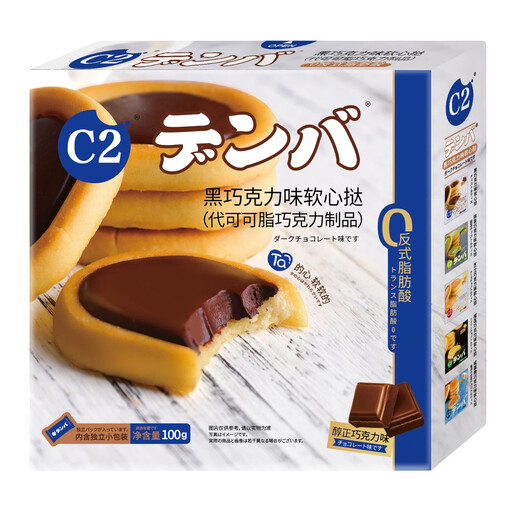
C2 Boxed Dark Chocolate Flavour Soft Heart Tarts, 100 g

C2 Boxed Dark Chocolate Flavour Soft Heart Tarts, 100 g

These tartlets are a little chocolatey treat to enjoy after a meal, rather than a centrepiece cake to slice. The pack weighs 100 g. Check the packaging for ingredients if cocoa content or allergens are important to you.

View on Joybuy

Frequently asked questions

Does a cake described as ‘dark chocolate’ necessarily contain a lot of cocoa?

No. The description alone doesn’t tell you the cocoa content of the finished cake. St Michel states that its biscuits contain 21% dark chocolate, while Carrefour lists 14% in its Extra fondant cake and, in its Selection molten-centre cakes, 9% dark chocolate plus 6% cocoa powder. Compare the ingredients in each recipe without treating these figures as a like-for-like measure of total cocoa content.

How can I compare a fondant cake, individual pots and biscuits?

Start with how you’ll serve them: a cake for sharing needs to be sliced, the pots are already portioned, and biscuits can be served with coffee. To compare their nutritional information on a like-for-like basis, check the values per 100 g, then consider how much you plan to serve.

Where can I check allergens before serving dessert?

Check the ingredients list and any ‘may contain’ warnings on the packaging of the product you’ve bought. The Directorate-General for Competition Policy, Consumer Affairs and Fraud Control states that allergens must be highlighted on the labels of prepacked foods. Don’t assume the information for one recipe applies to another.

Can you refreeze Carrefour Extra fondant cake after defrosting it?

No. The Carrefour Extra fondant cake product information says not to refreeze it after defrosting. When planning lunch, also follow the storage instructions on the packaging of the fondant cake you buy.