Who are these biscuits for?

Cyclists who keep track of the carbohydrates in their snacks

Knowing the amount per portion helps you work out how a biscuit fits into your planned fuelling. St Michel lists 7,2 g of carbohydrates per portion for its Galettes gourmandes au chocolat noir; Auchan lists 32 g for a 46,25 g portion of its Biscuits fourrés bio au chocolat noir.

Cyclists who prefer individually portioned snacks

St Michel says its 121 g box contains four sachets of three biscuits, so you can take just some of the box with you. Some Auchan Bio biscuits also come in sachets: check how many biscuits each contains and which nutritional values apply to each portion.

Dark chocolate fans who pay attention to the recipe

The ingredients list, the proportion of chocolate in the biscuit and the cocoa percentage of the chocolate answer different questions. Check the allergens and nutritional information too if these factors influence your choice.

What should you look for before buying?

Start with the portion you plan to take, then check its packaging and the recipe. The words ‘dark chocolate’ don’t, on their own, tell you the cocoa content of the chocolate used.

What to check Look for Who this matters to
Carbohydrates per portion Compare the carbohydrates in the amount you’ll actually take, then factor in the other food and drinks you have planned. On a long ride, I want to know what each snack contributes without treating one biscuit as my entire fuelling plan; around 42% of consumers would prioritise this amount per portion.
Pack size and portability Check how many biscuits are in each sachet and whether the packaging will protect your portion on the ride. If I’m only taking a few biscuits, I’d rather have an individually wrapped portion than an opened pack; around 33% of consumers would make pack size their priority.
Chocolate and ingredients Distinguish between the amount of chocolate in the recipe and the cocoa percentage of that chocolate; check the allergens too. I’m mainly looking for a dark chocolate flavour and a recipe that suits me; for around 25% of consumers, ingredients would be the main factor.

Common misconceptions to avoid

  • Assuming ‘dark chocolate’ means a high cocoa percentage

    The proportion of dark chocolate in a biscuit isn’t the same as the cocoa percentage of that chocolate. For example, E.Leclerc states that dark chocolate makes up 48% of the recipe for its Petit Beurre P’TIT DELI, but this figure doesn’t tell you the chocolate’s cocoa content.

    If the cocoa percentage affects your choice, look for it clearly stated on the packaging or the manufacturer’s product page.

  • Assuming one portion will fuel your whole ride

    The stated portions for St Michel Galettes gourmandes and Auchan Bio Biscuits fourrés bio provide 7,2 g and 32 g of carbohydrates respectively. These figures describe the stated portions, not everything you’ll eat during your ride.

    Compare the amount you’re taking with your other food and drinks instead of relying on biscuits alone to plan your fuelling.

  • Looking at carbohydrates alone

    According to Auchan, a 46,25 g portion of Auchan Bio Biscuits fourrés bio also contains 7,4 g of fat. The nutritional content and portion size matter too when you’re choosing a snack to eat during exercise.

    Check the nutritional values per portion and try the format on a training ride before relying on it for a race.

  • Forgetting about allergens and packaging

    Ingredients and possible traces vary between biscuits. Heat or moisture can also make chocolate biscuits less practical to carry.

    Read the label on the pack you buy and keep your portion in packaging suited to the conditions on your ride.

Brands to consider

St Michel

According to St Michel, its Galettes gourmandes au chocolat noir come in a 121 g box containing four sachets of three biscuits.

  • The manufacturer lists 7,2 g of carbohydrates per portion, making it easier to count this snack as part of your fuelling.
  • The recipe includes ingredients such as gluten, milk, soya and egg; the proportion of dark chocolate doesn’t tell you the chocolate’s cocoa percentage.

LU

The range includes Granola biscuits coated in dark chocolate.

  • Carrefour’s product page for Granola lists comparable values per 100 g, including 494 kcal and 25 g of fat.
  • To choose how much to take, calculate the values for your portion and check the allergens on the pack in question.

AUCHAN BIO

The range reviewed includes filled biscuits and dark chocolate-coated biscuits, with stated portion sizes.

  • Auchan lists 32 g of carbohydrates per 46,25 g portion of its organic dark chocolate-filled biscuits.
  • This portion also contains 7,4 g of fat; check the allergens and possible traces for the specific product you choose.

P’TIT DELI / Marque Repère E.Leclerc

Petit Beurre tablette chocolat noir is an option for comparing a recipe that states the proportion of chocolate it contains.

  • E.Leclerc states that dark chocolate makes up 48% of the recipe and that the biscuits contain 63,9 g of carbohydrates per 100 g.
  • Values per 100 g don’t tell you what’s in an individual portion; 48% dark chocolate is not a cocoa percentage.

Dark chocolate biscuits on Joybuy

These two dark chocolate biscuits are worth considering as snacks to take on a bike ride. To compare them, check the portion you plan to have, the packaging, and the cocoa and allergen information on each pack.
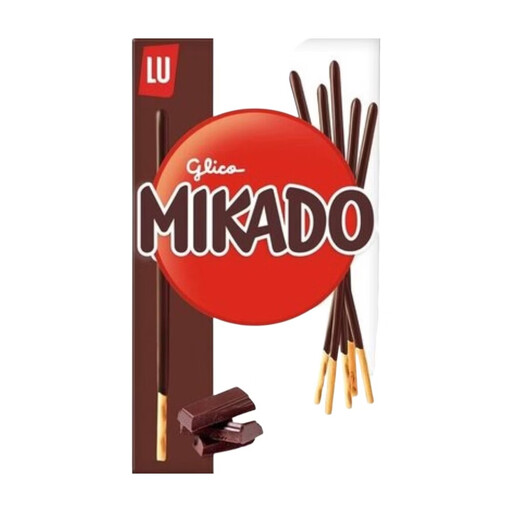
Mikado Dark Chocolate, 75 g pack

Mikado Dark Chocolate 75 g

A dark chocolate biscuit to consider if you’d like to spread your snacks out over the ride. The pack contains 75 g; check the packaging for the carbohydrates in your portion and the cocoa percentage if that matters to you.

View on Joybuy

PETIT ECOLIER dark chocolate, 150 g pack

PETIT ECOLIER dark chocolate 150 g

A dark chocolate biscuit to compare if the recipe matters as much as the amount you take with you. The pack contains 150 g; check the label for carbohydrates per portion, the stated cocoa content and the packaging before planning to take separate portions.

View on Joybuy

Frequently asked questions

Is one dark chocolate biscuit enough for a long bike ride?

Not necessarily: the carbohydrates in one biscuit portion don’t tell you everything you need to know about fuelling for a ride. Compare the portion you’ll actually take with your other food and drinks; a 2015 review in Ned Tijdschr Geneeskd, for example, distinguishes between fuelling needs according to the duration of exercise.

How can I compare the nutritional values of two biscuits?

First compare the values per 100 g, then check those for the portion you plan to eat. The DGCCRF states that the nutritional information for food must be given per 100 g or 100 ml. For your snack, pay particular attention to the carbohydrates, sugars and fat in the amount you’ll have.

Does ‘dark chocolate’ mean the biscuit contains a lot of cocoa?

No: the wording alone doesn’t tell you the cocoa percentage of the chocolate used. A stated proportion of dark chocolate in the recipe tells you how much of that ingredient is in the biscuit; look for a separate cocoa content figure if that’s important to you.

What should I check on the pack if I have an allergy?

Read the ingredients and allergen information on the pack you buy, including any warnings about possible traces. The DGCCRF says allergenic ingredients must be highlighted on food labels. Wheat, milk, soya and egg are among the ingredients flagged for some of the products mentioned here, but what’s included varies by recipe.