What should you look for in a snack?
Start with the format your child enjoys, then compare products intended for the same purpose using their labels. A high cocoa content is no substitute for checking allergens and nutritional values.
| Criteria |
What to check |
Who it’s for |
| Sugary treats |
Compare the sugars and fat per 100 g in similar products, and check the Nutri-Score when it’s shown. |
For an everyday snack, I want to make sure sweets don’t take the place of a variety of foods. Around 36% of consumers say cutting back on sugary foods is their main priority. |
| Allergens |
Read the highlighted allergens in the ingredients list and check any ‘may contain’ warnings on the pack you choose. |
If my child needs to avoid an ingredient, this check comes before the chocolate’s flavour. Avoiding allergens is the main priority for around 29% of consumers. |
| Cocoa flavour |
Look for the percentage of dark chocolate in a sweet or the cocoa content of a chocolate bar, if this information is shown on the product. |
My child already enjoys a strong cocoa flavour, so I want to know whether dark chocolate is a key ingredient or just a coating. This is the top priority for around 21% of consumers. |
| Serving at snack time |
Choose between small sharing pieces, individually wrapped sweets and squares of chocolate, depending on how you plan to serve them. |
For an occasional treat to share among children, I want a format that’s easy to portion without assuming that the pack size is a serving. Around 14% of consumers put this practical consideration first. |
Chocolate treats available on Joybuy
These products are suited to anyone looking for dark chocolate for snack time: chocolate bars to serve in squares, as well as biscuits and wafers for those who prefer a crisp texture. The latter aren’t chewy sweets, so whatever the format, check the pack’s label before serving it to a child.
 Image unavailable
POULAIN Fine Dark 70%, 100 g bar
Worth considering if your child already enjoys the taste of a cocoa-rich chocolate bar served in squares rather than as sweets. The product information lists maltitol and warns that excessive consumption may have a laxative effect. Check the ingredients on the pack too, including for soya.
View on Joybuy
 Image unavailable
PETIT ECOLIER, 150 g biscuits with dark chocolate
This is for when you fancy a chocolate biscuit rather than sweets or a chocolate bar. Before choosing it for snack time, compare its sugars per 100 g with those of other biscuits and check the pack for information about wheat, milk and soya.
View on Joybuy
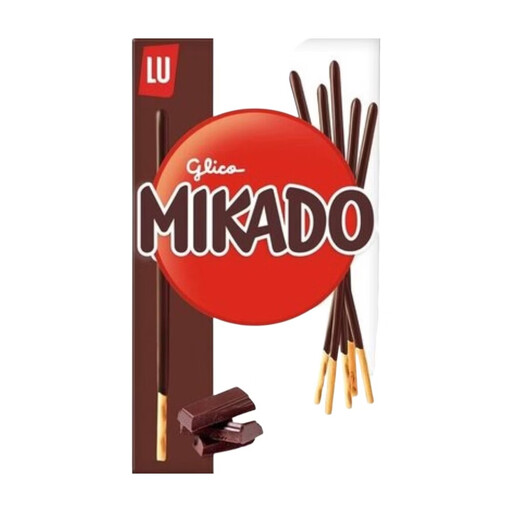 Image unavailable
Mikado, 75 g dark chocolate sticks
These sticks are a good choice if you’re looking for a crisp biscuit coated in dark chocolate that can be served individually. The words ‘dark chocolate’ alone don’t tell you the cocoa content, so check the sugars and allergen information on the pack too, particularly for wheat, milk, soya and nuts.
View on Joybuy
 Image unavailable
POULAIN Extra Dark, 200 g bar
Consider this bar if you want to serve squares of dark chocolate. Its name alone doesn’t tell you how much sugar it contains, so compare the values per 100 g on the pack and check the ingredients, including for milk and soya.
View on Joybuy
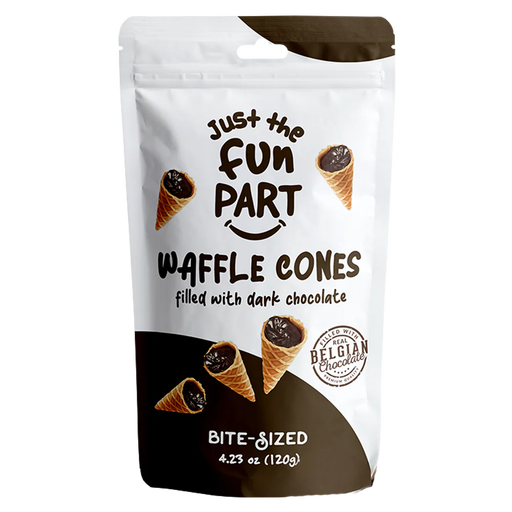 Image unavailable
JUST THE FUN PART, 120 g wafers with dark chocolate
This product is for when you fancy a chocolate wafer, rather than a sweet or a square of chocolate. To compare it with other crispy snacks, check its nutritional values per 100 g and look for information about wheat and soya on the pack.
View on Joybuy
Frequently asked questions
Is Nutri-Score compulsory on sweets and chocolate in France?
No. The DGCCRF says that Nutri-Score is voluntary, while pre-packed foods must carry a nutrition declaration under the applicable rules. If there’s no logo, compare the nutritional values, ingredients and allergens rather than drawing conclusions from its absence alone.
What should I check if my child needs to avoid an allergen?
Read the ingredients, highlighted allergens and any ‘may contain’ warnings on the pack you’re buying. The sweets and chocolates featured by E.Leclerc, Carrefour and Haribo have different warnings depending on the recipe. The words ‘dark chocolate’ don’t mean that a product is free from milk or other allergens.
Is a dark chocolate bar a better choice than a sweet at snack time?
Not necessarily: a chocolate bar and a chocolate-coated sweet aren’t the same format, and their recipes may differ too. Compare their nutritional values per 100 g and the amount you plan to serve. Manger Bouger recommends limiting foods high in fat and sugar as part of a varied snack.
Why avoid giving children sweets repeatedly throughout the day?
Assurance Maladie points out that how often sugary foods are eaten matters for tooth decay, not just the total amount of sugar. Keep sweets as an occasional treat rather than offering them repeatedly between meals.


