What sets these cakes apart?
For an outing without a place to serve dessert, start with the format and storage requirements. If you’ll be serving it at a table, compare the texture you’re after and the ingredients too. The words “dark chocolate” alone don’t tell you the product’s total cocoa content.
| Criteria |
What to check |
Who is it for? |
| Chocolate content |
Look for dark chocolate, cocoa mass or cocoa powder in the ingredients. Distinguish the stated proportion of dark chocolate from the total cocoa content. |
If I’m looking for a pronounced dark chocolate flavour above all, I want to compare recipes without treating the product name as a measure of its cocoa content. Around 36% of consumers put this composition first. |
| Transport and sharing |
Check the number of pieces, whether there are individual sachets, and whether the dessert needs cutting or preparation. |
When handing out portions during an outing, I’d rather not have to cut anything on the spot. This sharing format is the priority for around 29% of consumers. |
| Storage and serving |
Check the chilling instructions and any preparation needed: Auchan Bio’s dessert must be kept between 0 °C and +6 °C, while Carrefour Extra’s fondant is frozen. |
If I want to serve something with a fondant texture, I need to be able to store it correctly and, depending on the product, reheat it properly. Around 21% of consumers prioritise this way of serving dessert. |
| Ingredients and nutritional information |
Read the allergens and precautionary “may contain” warnings on the exact packaging. Compare nutritional values per 100 g rather than comparing packs of different sizes. |
Before offering cake to a group, I want to know what’s in it and be able to compare its sugar or fat content on the same basis. Around 14% of consumers put this check first. |
Products for enjoying on the go
These chocolate biscuits and tartlets are options to consider if you want something you can enjoy without serving a fondant on the spot. If you’re specifically looking for a high cocoa content or portions to hand out, check the ingredients and packaging for each product before choosing.
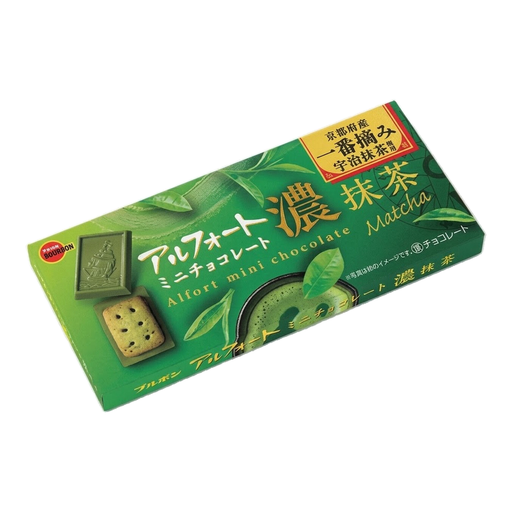 Image unavailable
Bourbon Alfort Mini Chocolate Dark Matcha, 12 pieces, 60 g
Worth considering if you want to share bite-sized pieces and you also enjoy matcha. The name states that the pack contains 12 pieces and weighs 60 g. Check the ingredients if the proportion of dark chocolate or cocoa is an important factor in your choice.
View on Joybuy
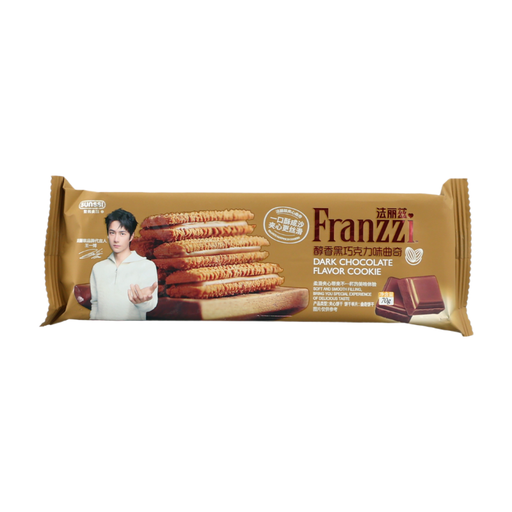 Image unavailable
Franzzi Premium, dark chocolate flavour biscuits, 70 g
A biscuit option to consider for a break during your outing, rather than as a dessert to serve with a gooey centre. The pack weighs 70 g; check how many biscuits it contains and read the ingredients before planning to share it or assessing its cocoa content.
View on Joybuy
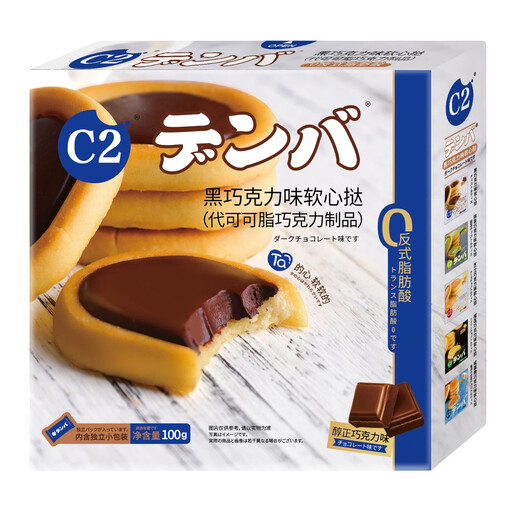 Image unavailable
C2 Boxed, dark chocolate flavour soft-centred tartlets, 100 g
Consider these if you’d prefer a soft-centred tartlet to a crunchy biscuit. The pack weighs 100 g; check the number of portions and the ingredients before buying for a group. The chocolate in the recipe should not be taken to mean the tartlets’ total cocoa content.
View on Joybuy
Frequently asked questions
Does the word “dark” guarantee a pronounced dark chocolate flavour?
No. When choosing a dark chocolate cake, check its ingredients list and the proportions stated, then consider the texture you’re looking for. The proportion of dark chocolate in a recipe does not automatically correspond to the cake’s total cocoa percentage.
Can you keep a frozen fondant outside for the whole outing?
Don’t plan to leave a frozen fondant outside without taking its storage instructions into account. Follow the guidance on the packaging. For transporting food that needs to stay chilled, Anses recommends using an insulated bag and keeping the journey time short.
What should you check before sharing a cake with people who have allergies?
Read the ingredients, highlighted allergens and any precautionary “may contain” warnings on the exact product packaging. The recipes featured here may contain wheat, eggs, milk or soya, among other ingredients. The ingredients in another product from the same brand don’t tell you what’s in the one you’re serving.
How can you compare packs of different sizes?
Compare the net weight, the number of pieces or sachets, and the nutritional values per 100 g. This gives you a consistent basis for comparing products in different formats without confusing pack values with portion values.


