For those who want to add jam
If you want the jam to sit on top, start by considering the product’s shape and texture. A biscuit described as crunchy or a firm slice of cake is better suited to this than a brownie described as very soft.


If you want to add jam, first choose between a crunchy biscuit and a cake firm enough to slice. A brownie described as very soft is better enjoyed with the jam on the side. If you’re looking for a stronger chocolate flavour, check the ingredients for the exact recipe: the words “dark chocolate” alone don’t tell you how much cocoa the finished product contains.
If you want the jam to sit on top, start by considering the product’s shape and texture. A biscuit described as crunchy or a firm slice of cake is better suited to this than a brownie described as very soft.
Compare the recipes rather than relying on the word “dark” alone. Carrefour, Auchan and St Michel list 48% dark chocolate in a Gerblé biscuit, 5.9% dark chocolate in a Savane Brossard cake, and 21% chocolate in a St Michel brownie, respectively. These figures refer to ingredients in different products; they’re not a like-for-like measure of flavour intensity.
If you need to avoid an allergen or are choosing between a sharing cake and individually wrapped portions, check the pack for the exact product you’re considering. The DGCCRF states that allergens must be highlighted in the ingredients list of prepacked foods.
First decide whether you’ll spread the jam on the biscuit or serve it on the side. Then compare the chocolate recipe and check the label for the format you’ve chosen.
| What to consider | What to check | Who it matters to |
|---|---|---|
| Holds up with jam | A crunchy texture or a slice firm enough to hold the topping. | I want to add a little jam without crushing the base; this would be the priority for around 42% of consumers. |
| Chocolate content | The amount stated and what it refers to: chocolate added to the recipe or cocoa, where this information is shown on the pack. | If dark chocolate matters more to me than being able to spread jam on top, I’ll compare the ingredients; around 33% of consumers would put this first. |
| Ingredients and format | Allergens and possible traces listed on the exact pack, followed by the packaging and storage instructions. | To choose a recipe that suits my needs and portions that work for me, I read the label first; this would come first for around 25% of consumers. |
Carrefour and Auchan list 48% dark chocolate in the Gerblé biscuit and 5.9% in the Savane Brossard cake. These percentages apply to the recipes mentioned, not to the total cocoa content of each finished product.
For the product you’re interested in, check which ingredient the stated percentage refers to.
St Michel describes its individually wrapped brownie as very soft. This texture may make it less practical for adding jam than a crunchy biscuit.
If you want to spread the jam, choose a surface that holds its shape; otherwise, serve it alongside the brownie.
Allergens and possible traces vary between the St Michel, Brossard and Gerblé products featured here. The brand name alone won’t tell you what’s in the pack you choose.
Read the ingredients list and any “may contain” statements, especially if you need to avoid a particular ingredient.
A best-before date and a use-by date don’t mean the same thing. The DGCCRF states that food must not be consumed after its use-by date.
Check the wording on the pack and follow the product’s storage instructions, including after opening.
Worth considering if you prefer individually wrapped chocolate brownies rather than something to spread jam on.
The family-sized Savane with dark chocolate is an option if you want to cut slices and serve the jam separately.
A useful point of comparison if you’re weighing up a crunchy dark chocolate biscuit against softer cakes.
A retailer with a range that lets you compare biscuits, brownies and different chocolate cakes.
These biscuits are worth considering to serve with jam on toast. Their shape matters if you want to put the jam directly on them; the words “dark chocolate” or “dark chocolate flavour” aren’t a substitute for checking the ingredients.
 Image unavailable
This biscuit format may suit you if you want to serve the jam on the side or add just a little on top. Check the ingredients and allergen information on the pack before adding jam.
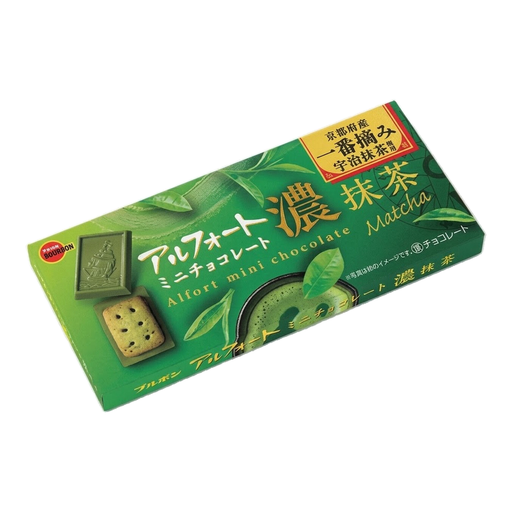 Image unavailable
These mini biscuits pair dark chocolate with matcha, so bear that combination in mind if you plan to serve them with jam. The pack contains 12 pieces and weighs 60 g; check the exact recipe if the amount of chocolate is a deciding factor for you.
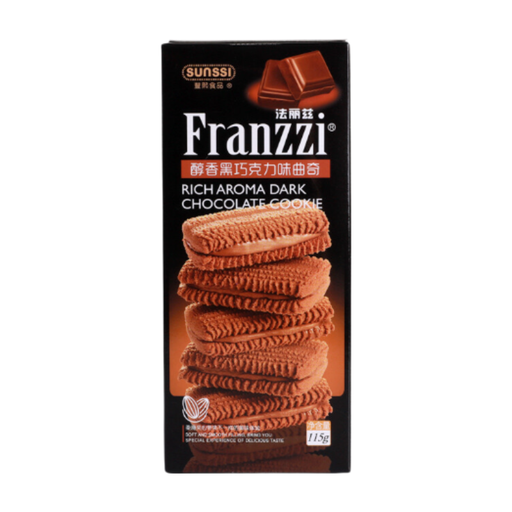 Image unavailable
Serve these biscuits alongside the jam if you want to keep the two flavours distinct. The product name says they’re dark chocolate-flavoured, but that alone doesn’t tell you how much chocolate or cocoa they contain.
 Image unavailable
The stick format is better for serving alongside toast with jam than for spreading the topping directly on the biscuits. The pack weighs 75 g; check the label if the proportion of dark chocolate matters to you.
No. This wording alone doesn’t tell you how much cocoa the finished cake contains. Carrefour and Auchan list 48% dark chocolate in a Gerblé biscuit and 5.9% in a Savane Brossard cake, respectively. Always check which ingredient the stated figure refers to.
Read the allergens highlighted in the ingredients list on the exact pack, along with any statements about possible traces. The DGCCRF notes that this labelling is required for prepacked foods; the St Michel, Brossard and Gerblé products mentioned here don’t all have the same ingredients.
Follow the instructions for the product you’ve bought, especially after opening. St Michel recommends storing its sharing brownie in a dry place, away from heat and light; don’t assume the same instructions apply to a different biscuit.
No. A best-before date and a use-by date don’t mean the same thing. The DGCCRF states that food must not be consumed after its use-by date; check the exact wording on the packaging before deciding what to do with the product.