Children who already enjoy less sweet chocolate flavours
Your child’s taste matters more than an adult’s preference alone. Manger Bouger points out that a child may find a flavour too strong even if their parents think it tastes mild.


First, choose a cake or biscuit with dark chocolate that your child enjoys, then compare the ingredients and nutritional information. The words ‘dark chocolate’ alone don’t tell you how much cocoa the cake contains. For teatime, also consider allergens and portion size. Manger Bouger recommends that families vary their snacks and limit fatty and sugary foods as part of their daily diet.
Your child’s taste matters more than an adult’s preference alone. Manger Bouger points out that a child may find a flavour too strong even if their parents think it tastes mild.
If you’re occasionally including a cake as part of a varied snack, compare the sugar and fat content in particular. As the DGCCRF explains, the nutrition declaration lets you check these values for the products concerned.
If an ingredient needs to be avoided, check the exact product. The European Commission explains that allergens used as ingredients must be declared. A ‘gluten-free’ label alone tells you nothing about other allergens.
Start with a flavour your child actually likes, then compare the labels of the products you’re considering. If an allergen needs to be avoided, check the ingredients of the specific product before choosing it.
| What to consider | What to check | Who is it for? |
|---|---|---|
| Chocolate flavour | Distinguish the percentage of chocolate in the recipe from any stated cocoa content. Take your child’s known preferences into account. | If my child is trying less sweet flavours, I want to avoid choosing a biscuit based solely on the word ‘dark’ when they might not like the taste. This would be the first consideration for around 42% of consumers. |
| What’s in the snack | Compare the sugar and fat content per 100 g, then check the ingredients list and pack size. | When I’m planning a cake for teatime, I want to be able to consider it alongside the other foods in the snack, rather than judge its ingredients by its colour. Around 33% of consumers would put this comparison first. |
| Allergens and gluten | Check the ingredients, declared allergens and any ‘may contain traces’ warnings on the exact product packaging. Look specifically for a ‘gluten-free’ claim if needed. | If my child needs to avoid an ingredient, whether the biscuit is suitable comes before its taste or format. For around 25% of consumers, this would be their main concern. |
A percentage of chocolate in the recipe tells you how much of that ingredient is used, but not necessarily the cocoa content of the finished cake. It’s also not enough to compare sugar or fat content.
If cocoa content is important to you, look for an explicit claim that applies to the product in question, and compare its nutritional values separately.
Recipes vary. The product information for an Auchan dark chocolate butter biscuit lists wheat, milk, soya and eggs, while the information for a DeliChoc biscuit also warns that it may contain traces of nuts.
Check the ingredients, declared allergens and warnings on the packet of the product you buy.
‘Gluten-free’ doesn’t mean free from all allergens. Similarly, Anses explains that ‘no added sugar’ doesn’t mean completely sugar-free; some recipes also use sweeteners.
Check for the specific characteristic you need, then read the full ingredients list and nutritional information.
For children aged 4 to 17, Manger Bouger recommends varying teatime snacks and limiting fatty and sugary foods as part of their daily diet.
Adjust the portion you serve and, depending on the snack you’re planning, consider adding fruit, fruit purée or a dairy product.
St Michel describes its Galette gourmande chocolat noir as a pure-butter galette with a dark chocolate centre.
Carrefour offers a Carrefour Extra dark chocolate biscuit in a 125 g box.
Auchan offers butter biscuits topped with dark chocolate in freshness-sealed sachets.
E.Leclerc lists shortbread biscuits coated in dark chocolate under this brand, labelled ‘gluten-free’.
Carrefour offers a 150 g DeliChoc ‘Biscuits Chocolat Noir’ product.
These two products are relevant if you’re choosing a dark chocolate biscuit for teatime: one is labelled ‘dark chocolate’, while the other combines dark chocolate and matcha in its name. Compare their labels and take your child’s preferences into account. Their inclusion here says nothing about other types of cake.
 Image unavailable
Worth considering if your child already enjoys dark chocolate biscuits. The pack is listed as 150 g. Check the packaging for information about cocoa content, sugar and allergens.
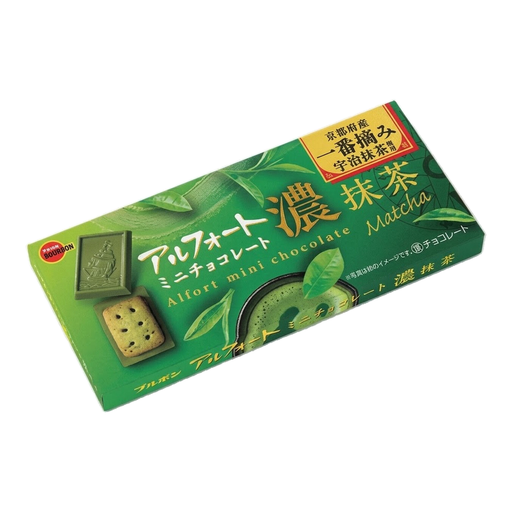 Image unavailable
Consider this if your child enjoys the combination of dark chocolate and matcha mentioned in the product name. The listed pack contains 12 pieces and weighs 60 g. Check the ingredients and allergens for this product before choosing it.
No. The words ‘dark chocolate’, even when accompanied by a percentage of chocolate in the recipe, don’t necessarily tell you the cocoa content of the finished cake. If this matters to you, look for an explicit claim about the product and check its ingredients too.
A cake can be part of an occasional teatime snack without making up the whole snack. For children aged 4 to 17, Manger Bouger recommends varying teatime snacks and limiting fatty and sugary foods as part of their daily diet. Depending on what else you’re planning, you could include fruit, fruit purée or a dairy product.
Check the ingredients and any ‘may contain traces’ warnings on the packaging of the product you buy. The European Commission explains that allergens used as ingredients must be clearly declared. A ‘gluten-free’ label doesn’t mean the product is free from milk, egg or other allergens.
No. This label alone isn’t enough to compare biscuits for teatime. Anses explains that it doesn’t mean the product is completely sugar-free. Compare the nutritional information and ingredients list, which may also mention sweeteners.