Fans of a rich cocoa flavour
You want to tell the difference between a biscuit with a stated proportion of dark chocolate or cocoa content and one that simply says ‘dark chocolate’.


When choosing dark chocolate biscuits for Valentine’s Day, first look for details of the proportion of chocolate in the biscuit or the cocoa content of the chocolate: these measure two different things. Then compare sugars per 100 g and per serving, and choose a format that’s easy to share. If you’re buying a gift for someone with an allergy, check the ingredients and any ‘may contain’ warnings on the exact product packaging.
You want to tell the difference between a biscuit with a stated proportion of dark chocolate or cocoa content and one that simply says ‘dark chocolate’.
You check the nutritional values per 100 g, then consider the serving you plan to offer. The word ‘dark’ alone doesn’t tell you how much sugar is in the whole biscuit.
You need to choose a format that suits the occasion and check the allergens for the exact product before giving it as a gift.
For a Valentine’s Day gift, the intensity you’re looking for, the ingredients and how you plan to share the biscuits all affect which details to check on each pack.
| Criterion | What to check | Who is it for? |
|---|---|---|
| Dark chocolate and cocoa | The proportion of chocolate in the biscuit and, when stated, the minimum cocoa content of that chocolate. | If I’m looking for a pronounced cocoa flavour, a stated percentage helps me understand the recipe rather than relying on the name alone. Around 31% of consumers rank this level of detail about the chocolate as their top criterion. |
| Sugars and nutritional values | Sugars and saturated fatty acids per 100 g, as well as the portion planned for serving. | To decide what to serve, I want to compare the recipes and then work out the values for my portion. Around 31% of consumers prioritise checking nutritional information. |
| Allergens | Allergens in the ingredients and any ‘may contain’ warnings on the exact pack. | Before giving these biscuits to someone with an allergy, I need to know whether the ingredients are suitable for them. This check is the top criterion for around 23% of consumers. |
| Gift-friendly format | The type of biscuit, pack weight and whether it contains individually wrapped portions. | For a tasting for two or a pack to share, I’d choose between biscuits topped with a chocolate square, chocolate-coated sticks and individually shaped pieces. Around 15% of consumers prioritise the format for presentation and sharing. |
The label describes the chocolate used, not the sugar content of the whole biscuit. The Auchan Bio product pages consulted list 27 g of sugars per 100 g for the filled biscuits and 30 g for the sticks; the Joybuy product page for Petit Écolier dark chocolate lists 36 g per 100 g.
Compare sugars per 100 g across products, then consider the portion you plan to serve.
The proportion of dark chocolate tells you how much of the biscuit it makes up. The minimum cocoa content describes the composition of that chocolate, so one figure alone doesn’t answer both questions.
If cocoa content is particularly important to you, look for both details on the product page or packaging. Don’t infer one from the other.
This claim doesn’t tell you everything about the rest of the recipe. The Auchan product page for Karelea dark chocolate-filled biscuits lists sweeteners, including maltitol and isomalt, as well as 25 g of polyols per 100 g.
Check the ingredients list and nutritional information table too before choosing this recipe.
Ingredients and warnings about traces vary between products. The Joybuy product page for Mikado dark chocolate, for example, lists wheat, milk and soya.
Check the details on the actual pack you buy against the allergens the recipient needs to avoid.
Petit Écolier dark chocolate and Mikado dark chocolate offer two different formats: a biscuit topped with a chocolate square and a chocolate-coated stick.
The Carrefour Extra dark chocolate product offers another chocolate biscuit recipe to consider.
The Auchan Bio products consulted include filled biscuits and dark chocolate sticks.
The Marque Repère range of chocolate biscuits is another option for comparing formats.
These products offer three ways to serve dark chocolate biscuits on Valentine’s Day: a chocolate square on a biscuit, matcha pieces and chocolate-coated sticks. Compare their labels according to what matters most for your gift.
 Image unavailable
The chocolate square on top makes the chocolate clearly visible, making this a lovely gift. According to the Joybuy product page for this item, the dark chocolate square makes up 45% of the biscuit, and the chocolate contains at least 45% cocoa.
The same product page lists 36 g of sugars and 15 g of saturated fatty acids per 100 g. It also gives a 25 g serving size: compare the values with the amount you plan to serve, and check the allergens on the pack.
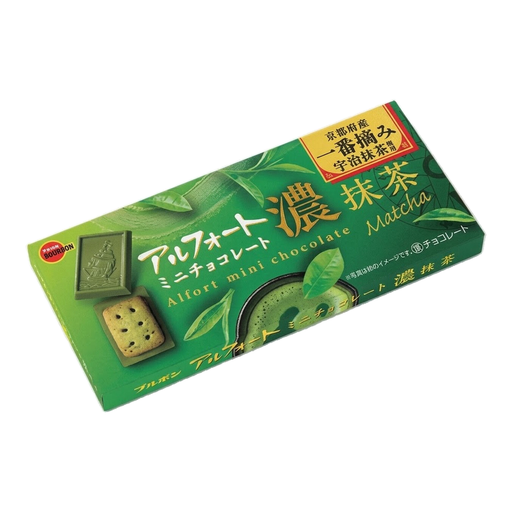 Image unavailable
This 12-piece pack is a good choice if you’d like to serve several small biscuits rather than a pack of larger ones. The product name combines dark chocolate and matcha.
If a stated cocoa content is your priority, look for it on the packaging before choosing. Also check the ingredients list for the person you’re buying the biscuits for.
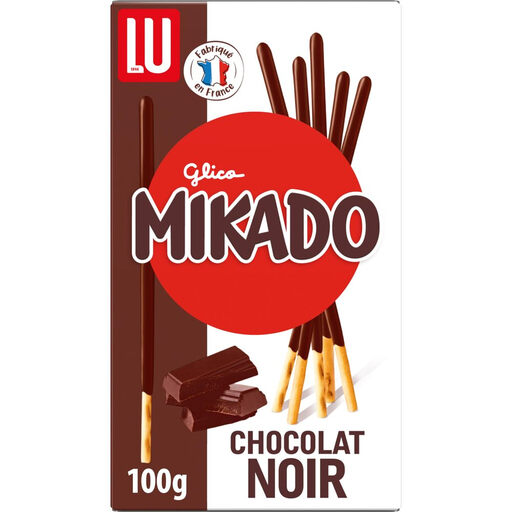 Image unavailable
These chocolate-coated sticks make a different option for sharing biscuits or serving with coffee. The Joybuy product page describes them as coated in dark chocolate.
To compare these Mikado sticks with a biscuit topped with a chocolate square, check the proportion of chocolate and sugars per 100 g on the pack. Don’t rely on a figure without checking the product you’re buying. The product page lists wheat, milk and soya.
No. The French Ministry of the Economy describes this levy as applying to sugary drinks, not chocolate biscuits. When comparing biscuits, check the sugar content in their nutritional information instead.
No. According to Santé publique France, displaying Nutri-Score is voluntary. The DGCCRF distinguishes this logo from the labelling information required for relevant pre-packed foods, including the ingredients list and nutrition declaration.
Check the ingredients list and any warnings about traces on the packaging for the exact product. Service Public Entreprendre states that allergens used as ingredients must be declared. Depending on the biscuits, warnings may relate to wheat, milk or soya, among other allergens.
Follow the best-before date and storage instructions on the pack you choose. If it says to store the biscuits in a cool, dry place, bear this in mind if you’re buying them in advance.