Fans of a pronounced dark chocolate flavour
If chocolate matters more to you than the format, distinguish between the proportion of dark chocolate in the biscuit and the cocoa percentage in that chocolate. These figures tell you different things.


For a classic snack, first choose between a biscuit topped with a bar of dark chocolate, a filled biscuit, a chocolate-coated biscuit or a stick, depending on the texture you prefer. Then compare the stated proportion of chocolate, the ingredients and the nutritional values per 100 g. The words ‘dark chocolate’ alone don’t tell you how much sugar the biscuit contains or which allergens it may include.
If chocolate matters more to you than the format, distinguish between the proportion of dark chocolate in the biscuit and the cocoa percentage in that chocolate. These figures tell you different things.
The format and the portion actually served matter just as much as the front of the packet. To compare recipes, start with the ingredients and nutritional values per 100 g.
Check the exact product, even if you already know the brand. Listings for the dark chocolate biscuits mentioned by Carrefour, Auchan and Joybuy include wheat, milk or soya, depending on the recipe.
To choose between dark chocolate biscuits for a snack, start with the factor that matters most to you, then check the others on the packet you’re considering.
| Criteria | What to check | Who it matters to |
|---|---|---|
| Dark chocolate content | Proportion of dark chocolate in the biscuit; cocoa percentage in the chocolate, if stated. | If I’m mainly looking for a strong cocoa flavour, the word ‘dark’ alone isn’t enough to help me choose. Around 29% of consumers rank the presence of dark chocolate as their top criterion. |
| Nutritional values | Sugars and saturated fatty acids per 100 g, compared across similar biscuits; Nutri-Score, if shown. | When putting together a snack, I want to be able to compare recipes beyond the type of chocolate stated. Around 36% of consumers prioritise this nutritional comparison. |
| Allergens and ingredients | Allergens highlighted in the ingredients list and any ‘may contain’ warnings on the exact packet. | If someone in my household needs to avoid an ingredient, checking that the recipe is suitable comes before choosing a texture. Around 21% of consumers say this is their main concern. |
| Biscuit format | Chocolate bar, filled, coated or stick; number of biscuits and net weight, if these details help you plan a snack. | For a snack to share or biscuits to enjoy one at a time, I first choose a convenient shape and a texture I like. This is the main consideration for around 14% of consumers. |
The type of chocolate doesn’t determine how much sugar is in the finished biscuit. For example, E.Leclerc’s listing for the Bio Village chocolate-bar biscuit states 34.0 g of sugars and 14.8 g of saturated fatty acids per 100 g.
Compare the nutritional values per 100 g across similar formats, including sugars, saturated fatty acids, salt and energy.
A statement that a biscuit contains 48% dark chocolate describes the proportion of chocolate in the recipe, not the proportion of cocoa in the whole biscuit.
If cocoa flavour is a deciding factor for you, look separately at the proportion of chocolate in the biscuit and the stated cocoa content of that chocolate.
The recipes listed by Carrefour, Auchan and Joybuy show that dark chocolate biscuits can contain wheat, milk or soya. Some listings also warn that they may contain traces of other allergens.
Check the ingredients and any ‘may contain’ warnings on the packet you actually buy, even if it’s another product from the same brand.
According to Santé publique France, displaying the Nutri-Score is voluntary. Its absence therefore doesn’t tell you anything about a biscuit’s nutritional values.
If it appears on the packet, use it as additional information. The nutritional declaration per 100 g gives you a more detailed comparison.
The Petit Écolier dark chocolate biscuit pairs a biscuit with a chocolate bar. It’s a format worth considering if you want to clearly distinguish between the two elements.
BN Biscuits offers chocolate-filled snacks, among other products. If you’re specifically looking for dark chocolate, check the product description for the one you choose.
If you’re considering Milka, check that the product is specifically described as a ‘dark chocolate’ biscuit, rather than a different type of chocolate product.
Carrefour offers a Classic’ dark chocolate biscuit and a Carrefour Bio snack filled with dark chocolate, among other products.
E.Leclerc’s listings feature a coated biscuit and a Bio Village chocolate-bar biscuit, both made with dark chocolate.
Here, Auchan is a retailer where you can compare products, including Mikado sticks coated with dark chocolate.
These products illustrate three snack options: a biscuit topped with a bar of dark chocolate, a coated stick and a dark chocolate and matcha variety. If you’re after a classic dark chocolate flavour, bear in mind that the third option is flavoured with matcha.
 Image unavailable
Worth considering if you prefer a bar of dark chocolate on top of your biscuit. Joybuy’s listing states that dark chocolate makes up 45% of the biscuit and contains at least 45% cocoa. It also states that the product contains 36 g of sugars and 15 g of saturated fatty acids per 100 g, as well as wheat, milk and soya. Check the packet if any of these ingredients are a concern for you.
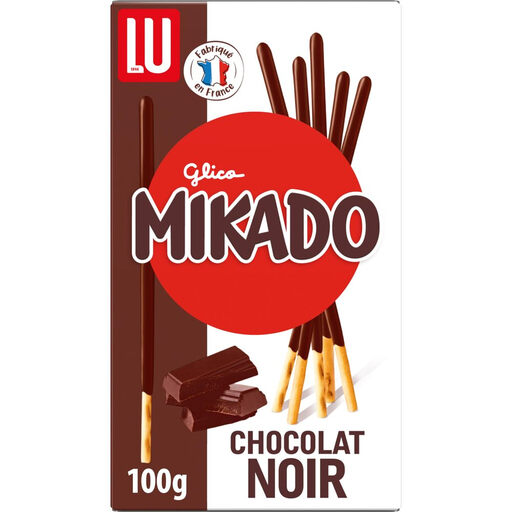 Image unavailable
The coated stick format is a good choice if you prefer to enjoy biscuits one at a time. Don’t confuse the proportion of coating with the cocoa content of the chocolate; check the packet for the latter if it matters to your choice. Joybuy’s listing mentions wheat, milk and soya.
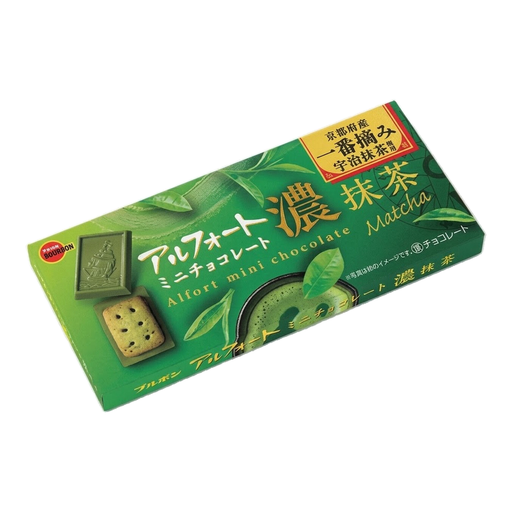 Image unavailable
This matcha variety is for shoppers looking for a different flavour from a classic dark chocolate biscuit. The product name states that there are 12 pieces in a 60 g pack. If cocoa intensity matters to you, check the ingredients and the chocolate details on the packet you choose.
No. The wording refers to the type of chocolate, not the total amount of sugar in the biscuit. Compare the ‘sugars’ figure per 100 g. For example, E.Leclerc’s listing for the Bio Village dark chocolate-bar biscuit states 34.0 g per 100 g.
No. Santé publique France says that displaying it is voluntary. However, the DGCCRF states that a nutritional declaration is compulsory for most prepacked foods, subject to certain exceptions. The values per 100 g make it possible to compare products.
No, not under the contribution known as the ‘soda tax’. The French Ministry of the Economy describes it as a levy on sugary drinks. It isn’t a specific tax on solid chocolate biscuits.
Read the ingredients and any ‘may contain’ warnings for the exact product. Depending on the recipe, product listings from Carrefour, Auchan and Joybuy mention wheat, milk or soya; some also warn of possible traces of nuts. According to the French Ministry of the Economy, allergenic ingredients must be listed and highlighted on the label.
Follow the instructions on the packet you choose and reseal it as directed. Listings for the dark chocolate biscuits reviewed recommend keeping them away from heat and moisture.