People handing out biscuits
For a street market, you’ll want a pack that’s easy to carry and open gradually. The number of individual packs or portions matters just as much as the total weight.


If you’re handing out dark chocolate biscuits at a street market, choose a multi-pack if you plan to open portions as you go; a box or single pack will do if you’re serving the biscuits together. If the presence of dark chocolate is important to you, distinguish the proportion of chocolate in the biscuit from the cocoa content of the chocolate, then check the ingredients, allergens and nutritional information for the product you choose.
For a street market, you’ll want a pack that’s easy to carry and open gradually. The number of individual packs or portions matters just as much as the total weight.
You want to know what the term ‘dark chocolate’ means. The proportion of chocolate listed in the recipe tells you about the biscuit, but not necessarily the cocoa content of that chocolate.
Before offering biscuits to a group, you’ll want to be able to check the ingredients, allergens and nutritional information on the exact pack you’ll be handing out.
For a street market, start by thinking about how you’ll hand out the biscuits, then check the ingredients of the product you’ve chosen. The table links each consumer group to its main need.
| Criteria | What to check | Who is this for? |
|---|---|---|
| Serving and storage | Number of individual packs or separately wrapped biscuits; storage instructions. | If I’m handing out biscuits at different times, I’d rather open only the portions I need. Ease of serving would be the main priority for around 33% of consumers. |
| Dark chocolate content | Proportion of dark chocolate in the biscuit and, if listed separately, the cocoa content of the chocolate. | If I’m looking for a pronounced dark chocolate flavour, I want to understand what the percentage printed on the pack refers to. Around 25% of consumers would prioritise the presence of chocolate. |
| Ingredients and allergens | Sugars and fat per 100 g; ingredients, allergens and ‘may contain’ statements. | If I’m offering biscuits to a group, I need to be able to check the ingredients and allergens in the product I’ve chosen. Around 25% of consumers would put this check ahead of other criteria. |
| Quantity to buy | Net weight, number of biscuits or packs, and best-before date. | If I’m working out how many portions to provide at the street market, I want to avoid opening more biscuits than necessary. The right quantity would be the priority for around 17% of consumers. |
The Directorate-General for Competition Policy, Consumer Affairs and Fraud Control (DGCCRF) states that nutrition declarations for prepacked foods are given per 100 g or 100 ml. To compare these biscuits, use the figures per 100 g rather than comparing packs of different sizes. If Nutri-Score appears on the packaging, it is additional voluntary information.
A percentage of dark chocolate in the recipe tells you how much of that ingredient is in the biscuit. On its own, it doesn’t tell you the cocoa content of the chocolate used.
If cocoa content is a deciding factor, look for an explicit statement about cocoa on the packaging of the specific product.
According to the DGCCRF, displaying Nutri-Score is voluntary. Whether it appears on the pack or not, you should still read the nutritional information.
Compare the figures per 100 g and the ingredients list; use Nutri-Score as extra information if it’s shown.
An organic recipe can still contain sugars and allergens. The product information for Auchan Bio sandwich biscuits, for example, lists 27 g of sugars per 100 g, as well as wheat and milk.
Check the nutritional information and allergen statements for each product, even if it’s organic.
Auchan’s product information recommends keeping these biscuits away from heat and moisture; heat can also affect the appearance of the chocolate.
Keep packs sealed, somewhere dry and away from heat. Multi-packs let you open just some of the biscuits at a time.
The examples below are specific dark chocolate biscuit products. Pack sizes and recipes can vary between products from the same brand.
Carrefour features Granola dark chocolate-coated biscuits in a 195 g box and Pépito dark chocolate biscuits in two packs of ten.
The Auchan products featured include chocolate-coated biscuits in four packs of four, Auchan Bio sandwich biscuits and dark chocolate sticks.
Carrefour Bio offers chocolate-filled snack biscuits with dark chocolate in a 185 g pack.
This selection includes dark chocolate biscuits to share or hand out in individual portions, as well as a dark chocolate and matcha-flavoured recipe. Pack formats and cocoa information vary by product.
 Image unavailable
These individually wrapped sticks are handy for handing out in small portions. The product information lists 32 g of sugars per 100 g, and wheat, milk and soya, with a possible trace of nuts. If cocoa content matters to you, check the pack.
 Image unavailable
This box could work if you’re serving the biscuits together rather than handing them out in individually wrapped portions. The product information states that the chocolate contains at least 45% cocoa solids and lists 36 g of sugars per 100 g. It also lists wheat, milk and soya; check the packaging if each portion needs to stay wrapped.
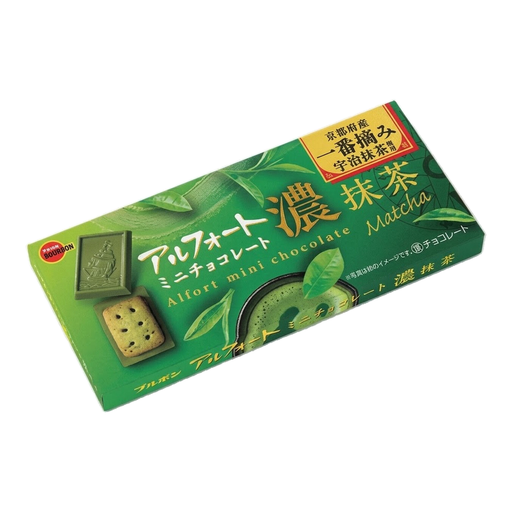 Image unavailable
The 12 individually wrapped pieces can be handed out separately; the recipe combines dark chocolate and matcha. The product information lists 3% matcha powder, which doesn’t tell you the cocoa content, and 40 g of sugars per 100 g. It lists wheat, milk and soya, with possible traces of nuts and eggs.
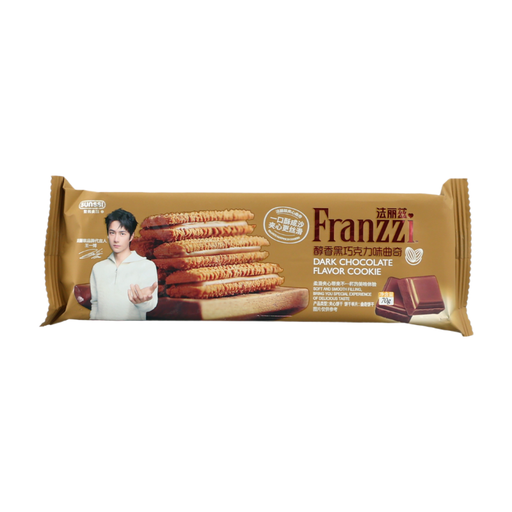 Image unavailable
The biscuits are described as individually wrapped, making them suitable for handing out gradually. This is a dark chocolate-flavoured recipe, so check the packaging if you’re looking for a specific cocoa content. Before comparing it with other products, also check the number of biscuits and the sugar and saturated fat figures. The listed allergens include wheat, milk, eggs and soya.
No. Article 1613 ter of the General Tax Code, published by Légifrance, covers drinks and liquid preparations for drinks, not solid biscuits. To find out how much sugar a biscuit contains, check its nutrition declaration instead.
No. According to the DGCCRF, Nutri-Score is voluntary. Prepacked foods generally have to include a nutrition declaration; when comparing two biscuits, pay particular attention to the figures per 100 g.
Compare the nutritional information per 100 g, then check the net weight and the number of portions you can actually use for handing them out. Individual wrapping is convenient, but it doesn’t tell you what’s in the biscuit.
Read the ingredients list and any ‘may contain’ statements on the exact pack you’re going to open. The products featured include wheat, milk and soya; some also mention possible traces of nuts or eggs.